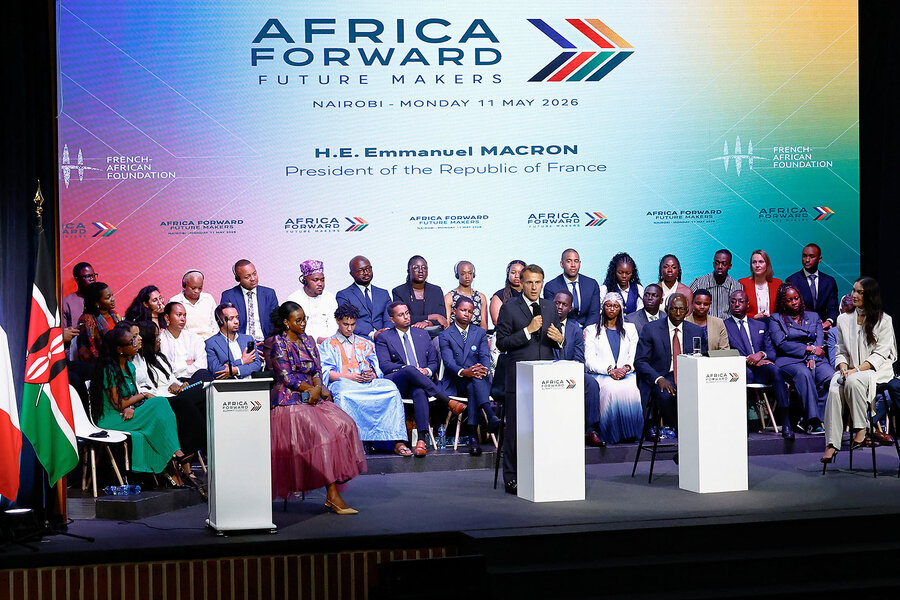
For decades, the relationship between France and its former African colonies was defined by a complex, often opaque system of influence known as Françafrique. This network of political, economic, and military ties allowed Paris to maintain a dominant grip on the continent’s affairs long after the formal end of colonial rule. However, under the presidency of Emmanuel Macron, this legacy has shifted from a strategic asset to a diplomatic liability.
President Macron has spent much of his tenure attempting to dismantle the image of the “paternalistic” French state, advocating instead for a relationship based on “equal partnership” and mutual respect. Yet, as France’s ties with Africa fray—particularly across the Sahel region—it has become clear that promises of investment and diplomatic pivots are struggling to overcome decades of historical resentment and a rapidly shifting geopolitical landscape.
The struggle to rebuild France’s ties with Africa is not merely a failure of communication, but a collision between a Western power attempting a cautious rebranding and a new generation of Africans who view any French presence as a vestige of imperialism. From military withdrawals in the face of popular protests to the rise of rival global powers, the “French era” in Africa is facing its most significant challenge since the independence movements of the 1960s.
The Collapse of Security in the Sahel
The most visible sign of France’s waning influence is the dramatic collapse of its security architecture in the Sahel. For years, France led Operation Barkhane, a counter-terrorism mission designed to combat jihadist insurgencies in Mali, Burkina Faso, and Niger. While the mission achieved tactical successes against militant leaders, it failed to provide the long-term stability the region craved.
The failure of the security-first approach created a vacuum that was quickly filled by political instability. Between 2020 and 2023, a wave of military coups swept through the region. In Mali, Burkina Faso, and Niger, military juntas seized power, citing the inability of civilian governments—and their French allies—to stop the spread of violence. In these nations, anti-French sentiment became a powerful tool for the new military leaders to legitimize their rule, often manifesting in street protests demanding the immediate departure of French troops.
The forced withdrawal of French forces from Mali and later Niger marked a symbolic end to the era of French military hegemony in West Africa. The departure was not a strategic choice made in Paris, but a demand imposed by host governments who viewed the French military presence as an occupation rather than a partnership. This shift has forced Macron to reconsider the very nature of French intervention, moving away from large-scale military footprints toward smaller, more discreet support roles.
The Shadow of Françafrique and Colonial Legacy
To understand why Macron’s rhetoric of “partnership” often falls flat, one must look at the enduring shadow of Françafrique. This term describes the system of unofficial, often clandestine, ties between the French government and African leaders, characterized by the support of authoritarian regimes in exchange for access to natural resources and diplomatic loyalty.
For many young Africans, the colonial era never truly ended; it simply evolved. The perception that France continues to interfere in the internal politics of its former colonies remains pervasive. When Macron speaks of a “new relationship,” critics argue that the underlying structures of power remain unchanged. The historical grievances—ranging from the brutal suppression of independence movements to the alleged theft of cultural artifacts—continue to fuel a narrative of exploitation.
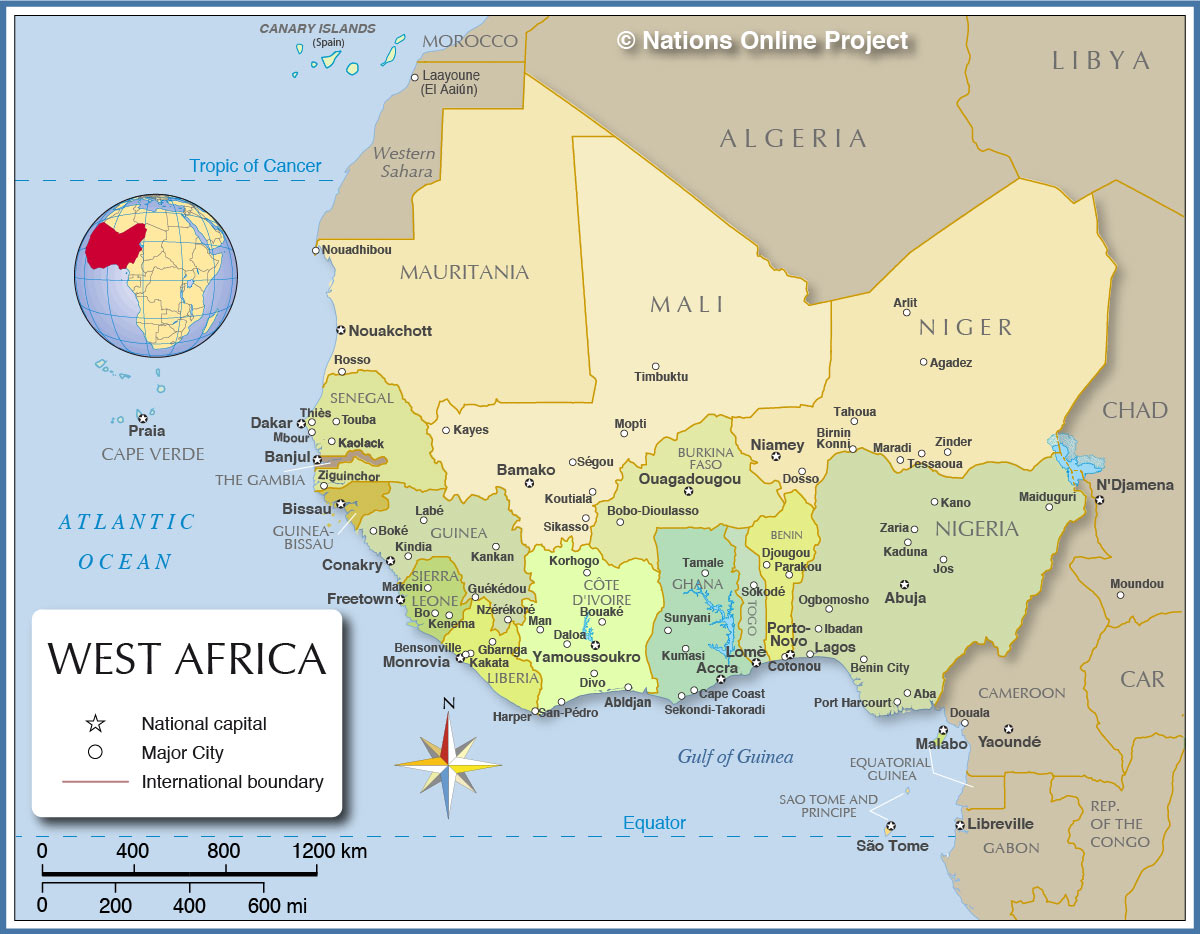
The struggle is further complicated by the issue of the CFA franc, a currency used in several West and Central African countries that was originally created by France. While the currency provides a degree of monetary stability, it has long been criticized as a tool of neo-colonialism due to the requirements for member states to deposit a portion of their foreign exchange reserves in the French treasury. Although France has announced reforms to the currency—including the planned transition to a new currency called the “Eco” in West Africa—the process has been gradual and fraught with political tension, leaving it as a potent symbol of lingering French control.
The Geopolitical Vacuum and the Rise of Rivals
France’s struggle to maintain its influence is not happening in a vacuum. As Paris retreats, other global powers are aggressively expanding their footprint in Africa, offering alternative models of partnership that do not come with the colonial baggage of the West.
Russia has emerged as a primary challenger, utilizing a combination of security contracts and disinformation campaigns to undermine French influence. The Wagner Group, a Russian private military company, has stepped in to provide security for military juntas in Mali and the Central African Republic. Unlike France, which often tied its security assistance to demands for democratic reforms and human rights, Russia offers “no-strings-attached” security support, which is highly attractive to leaders facing internal instability.
Simultaneously, China has solidified its position as Africa’s largest trading partner. Through the Belt and Road Initiative, Beijing has invested billions of dollars into infrastructure, including railways, ports, and roads. China’s approach—focusing on infrastructure and economic development without lecturing on governance—contrasts sharply with the perceived moralizing tone of European diplomacy. This “infrastructure-for-resources” model has provided African leaders with an alternative to French economic dominance, further eroding Paris’s leverage.
Economic Pivot: From Aid to Investment
Recognizing that military force is no longer a viable tool for influence, Macron has attempted to pivot toward an economic strategy centered on youth and entrepreneurship. He has repeatedly emphasized that the future of France’s ties with Africa lies not in state-to-state deals between presidents, but in partnerships between the private sectors and the burgeoning youth population of the continent.
This strategy involves promoting French startups and encouraging African entrepreneurs to engage with the French ecosystem. By focusing on digital transformation, green energy, and education, Macron hopes to build a relationship based on shared economic interests rather than historical obligations. The goal is to shift the perception of France from a “former master” to a “strategic partner” in the global economy.
However, this economic pivot faces a significant hurdle: the scale of investment. Compared to the massive infrastructure projects funded by China, French investments often appear modest or too narrowly focused on specific sectors. The transition from a system of “aid” (which implies a hierarchy) to “investment” (which implies equality) requires a fundamental shift in how French institutions operate—a shift that is often slower than the political rhetoric suggests.
Key Challenges to France’s Africa Policy
| Factor | Impact on Ties | Alternative Influence |
|---|---|---|
| Security Failures | Loss of trust in military capabilities; forced troop withdrawals. | Russian security contractors (Wagner). |
| Colonial Legacy | Persistent anti-French sentiment among youth; perception of neo-colonialism. | Pan-Africanist movements. |
| Monetary Control | The CFA franc viewed as a symbol of economic subjugation. | Diversification of currency reserves. |
| Infrastructure Gap | French investment seen as insufficient compared to rivals. | Chinese Belt and Road Initiative. |
What Happens Next?
The future of France’s ties with Africa will likely be defined by a continued trend of “disengagement” from traditional military roles and a desperate search for a new diplomatic vocabulary. Macron’s success will depend on whether France can genuinely move past the Françafrique model and accept a role as one of many partners on the continent, rather than the primary arbiter of African affairs.
The immediate focus for Paris will be the ongoing negotiations regarding the transition of the CFA franc and the attempt to maintain diplomatic channels with the military governments in the Sahel. If France cannot demonstrate a tangible benefit to the average African citizen—beyond the interests of political elites—the decline of its influence is likely to accelerate.
The next critical checkpoint for this relationship will be the upcoming series of bilateral summits and the implementation of the “New Financing Pact for African Development,” which aims to reshape how the West supports African growth. Whether these initiatives are viewed as genuine partnerships or merely “colonialism with a new face” will determine the trajectory of France’s presence in Africa for the next generation.
World Today Journal encourages readers to share their perspectives on the evolving dynamics of international diplomacy in Africa in the comments section below.
Related reading