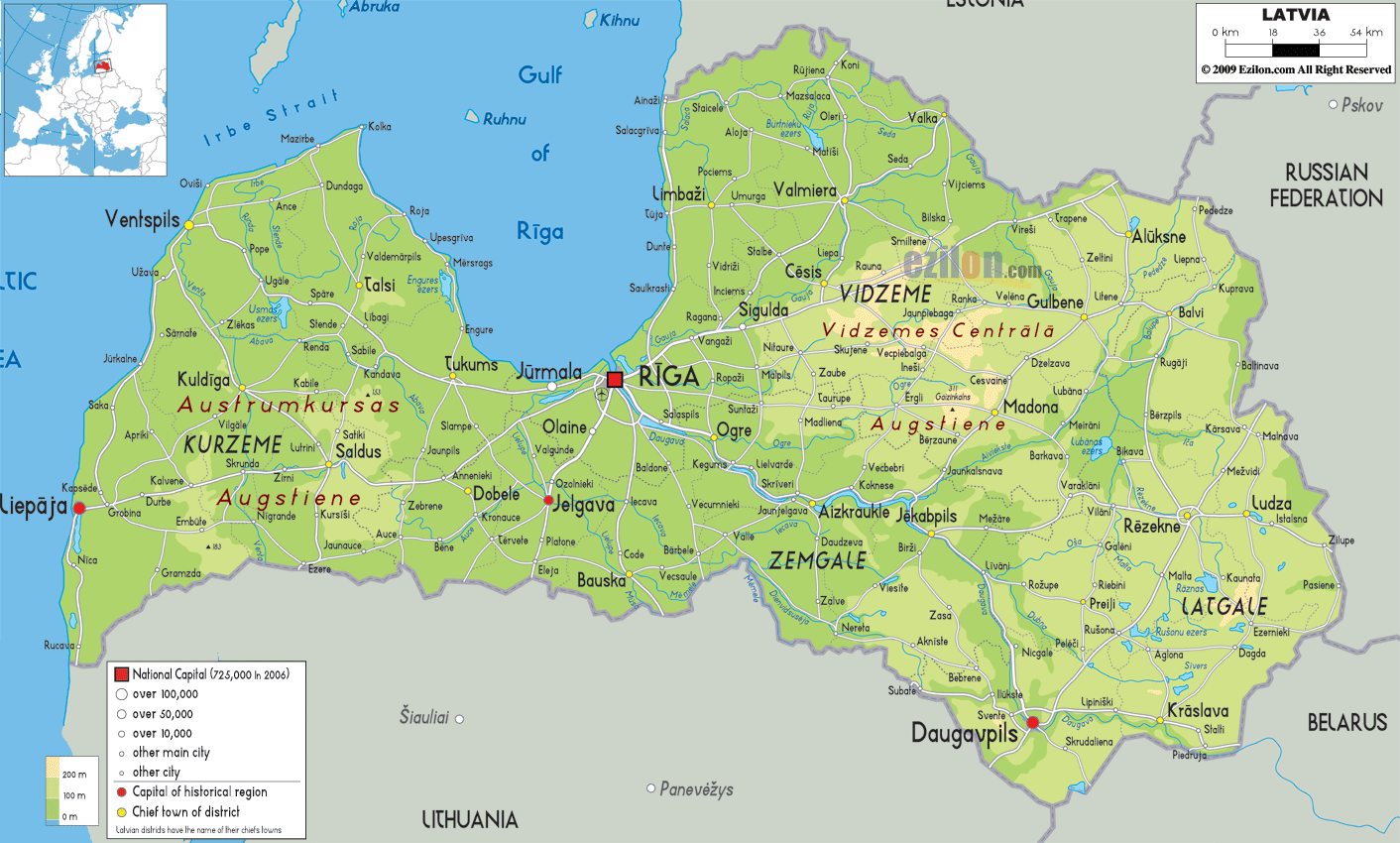
Latvia has taken a strategic step toward consolidating its digital trade sector with the establishment of the Latvian E-commerce Association LATEKA. As the nation’s first organization dedicated exclusively to the e-commerce industry, the association aims to unify a fragmented landscape of online retailers, digital agencies, and service providers into a single, cohesive ecosystem.
The launch comes at a critical juncture for the Baltic digital economy. By creating a formalized body to represent the interests of online businesses, Latvia is positioning itself to better navigate the complexities of the European Single Market and enhance the scalability of its homegrown digital enterprises. This move signals a transition from organic, individual growth to a structured, industry-led strategy designed to boost national competitiveness.
From an economic perspective, the formation of LATEKA is more than a networking effort; it is a move toward institutionalizing the digital economy in Latvia. For minor and medium-sized enterprises (SMEs), the ability to operate under a unified professional banner can reduce market entry barriers and provide the collective bargaining power necessary to influence policy at both the national and European Union levels.
Strengthening the Local E-Commerce Ecosystem
The primary mission of the Latvian E-commerce Association LATEKA is to develop the local e-commerce ecosystem by fostering collaboration between the different pillars of the industry. According to industry reports, the association is designed to bridge the gap between the merchants who sell products and the digital agencies that provide the technical infrastructure and marketing expertise required to scale.
A central pillar of the association’s strategy is the promotion of cross-border e-commerce exports. By focusing on global competitiveness, LATEKA intends to help Latvian businesses move beyond the domestic market, leveraging digital tools to reach customers across the Baltic region and the wider European Union. This focus on exports is essential for economic diversification and increasing the GDP contribution of the digital services sector.
Beyond growth, the association is tasked with representing the interests of its members in international forums. By aligning local practices with European Union e-commerce standards, LATEKA can ensure that Latvian businesses remain compliant with evolving digital regulations, such as the Digital Services Act and the Digital Markets Act, which govern how online platforms operate across borders.
Governance and Industry Leadership
The association is led by a board of experienced industry experts intended to provide both strategic direction and operational stability. Artūrs Krūze serves as the chairman, with Kristaps Rjabovs serving as a board member. Their leadership reflects a blend of entrepreneurial experience and strategic management, aimed at translating high-level goals into actionable industry standards.
To ensure the association remains responsive to the actual needs of the market, LATEKA has established a consultative council. This body acts as a strategic advisory group, providing a broader base of expertise to guide the association’s initiatives. The council includes five seasoned professionals: Artūrs Hotulovs, Lauris Rutkis, Māris Kuļikovskis, Aigars Cepītis, and Edgars Kebbe.
This governance structure—combining a decisive board with a consultative council—is designed to prevent the organization from becoming an ivory tower. Instead, it allows the association to pivot quickly based on real-time feedback from the digital agencies and online merchants who form its membership base, ensuring that the strategic business development goals remain grounded in market reality.
Professionalization Through Education and Research
One of the most significant gaps in many emerging digital markets is the lack of standardized professional training. LATEKA intends to address this by creating a “knowledge circle” for the industry. This initiative focuses on professional certification for e-commerce, ensuring that practitioners—from store managers to digital marketers—possess a verified set of skills that meet international benchmarks.
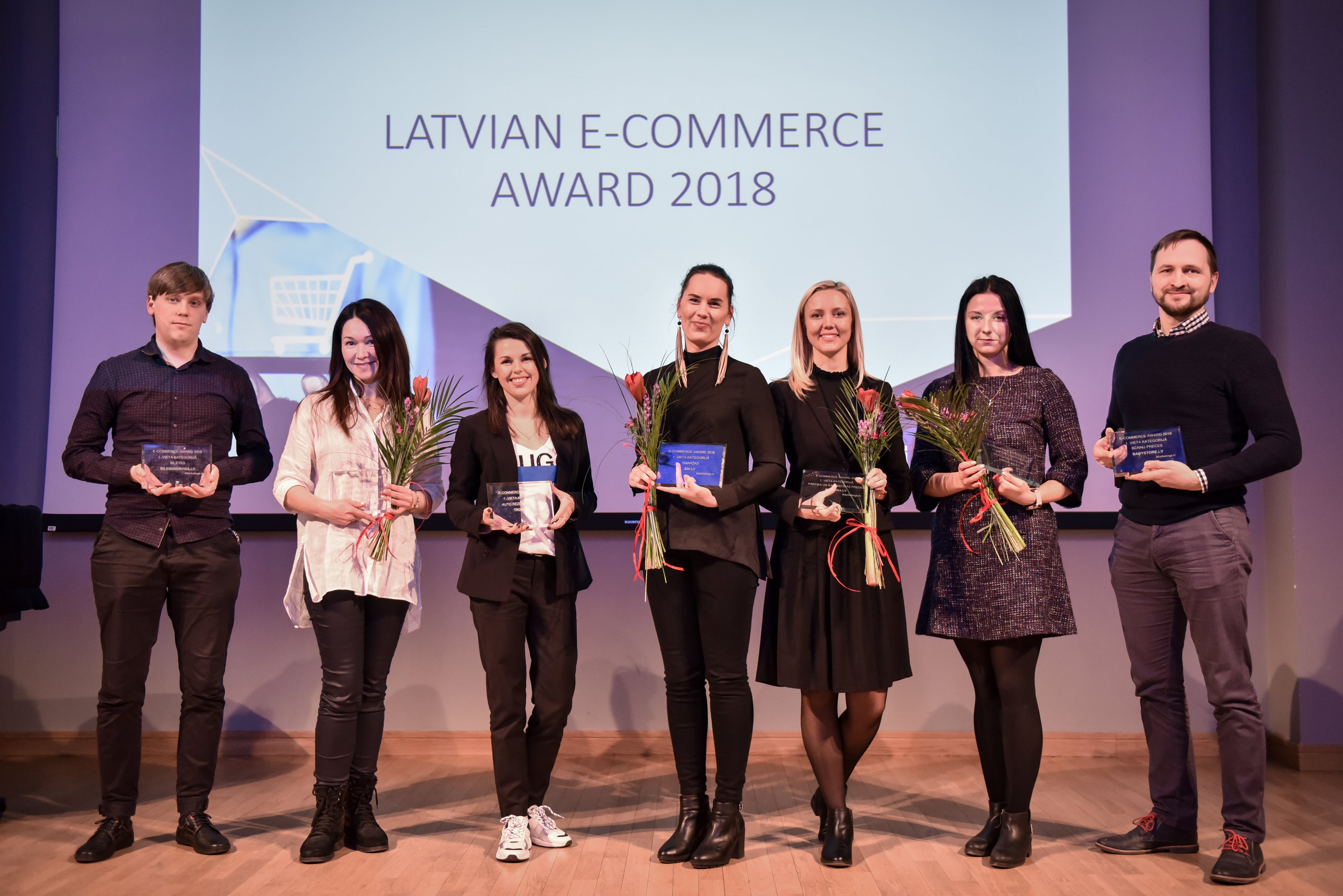
The association plans to implement several educational tools, including:
- Masterclasses: Targeted training sessions on the latest trends in conversion rate optimization, logistics, and digital payment systems.
- Certification Programs: Standardized credentials that allow businesses to verify the expertise of their staff and partners.
- Exclusive Market Research: The provision of data-driven insights and trends specific to the Latvian and Baltic markets, reducing the reliance on generalized global data that may not apply to local consumer behavior.
By investing in professional education, LATEKA is effectively upgrading the “human capital” of the Latvian digital economy. When a workforce is standardized and certified, the overall quality of service improves, which in turn increases consumer trust—a critical component for the growth of online retail growth in Latvia.
The Economic Rationale for Industry Unification
As an economist, I view the creation of LATEKA as a classic move toward reducing “information asymmetry” within a market. In a fragmented e-commerce environment, individual businesses often struggle to identify the best tools, the most reliable agencies, or the most efficient logistics partners. A specialized association acts as a trust-broker, creating a vetted ecosystem where businesses can collaborate with lower risk.

the emphasis on digital agency collaboration is particularly noteworthy. E-commerce is not merely about selling a product online; it is a complex orchestration of UX design, payment gateway integration, supply chain management, and digital acquisition. By bringing these agencies into the same association as the merchants, LATEKA encourages a feedback loop where technical innovations are developed specifically to solve the pain points of the retailers.
This synergy is what drives true digital transformation. When the technical providers and the business owners are aligned under a single strategic vision, the speed of innovation increases. For Latvia, this means a faster transition toward a high-value digital economy that can compete not just on cost, but on efficiency and innovation.
Looking Ahead: The Path to Digital Maturity
The establishment of the Latvian E-commerce Association LATEKA marks the beginning of a more mature phase for the country’s digital trade. The success of the organization will ultimately be measured by its ability to translate these structural goals into tangible growth for its members—specifically in the form of increased export volumes and a more skilled digital workforce.
The next critical milestone for the association will be the rollout of its first set of certification programs and the release of its initial market research reports. These deliverables will provide the first concrete evidence of the association’s value proposition to the wider business community.
As the Baltic region continues to be a hub for digital innovation, the unification of the e-commerce sector in Latvia provides a blueprint for how specialized industry needs can be met through collective action. For global investors and partners, this represents a more stable and professionalized environment for entering the Latvian market.
We invite our readers to share their thoughts on the evolution of the Baltic digital economy in the comments below. How do you see specialized industry associations impacting the growth of SMEs in emerging markets?