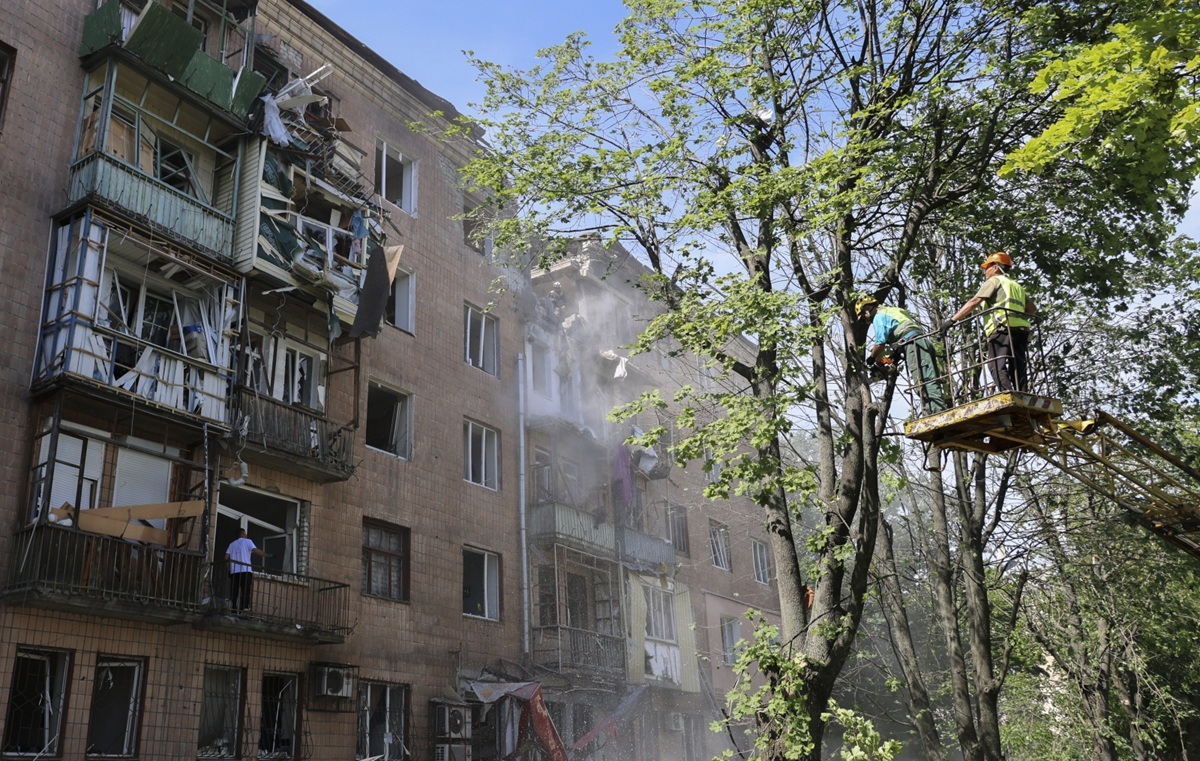
As the reconstruction of Ukraine gains momentum, international competition for commercial participation is intensifying. While French companies and other Western firms have begun securing preliminary agreements for infrastructure projects, Polish businesses are evaluating their own strategic position. The challenge for Polish enterprises lies in balancing geographical proximity and established trade ties with the complex risks inherent in a wartime economy, according to recent reports from the National Bank of Ukraine regarding sectoral opportunities.
Evaluating Market Entry and Economic Risks
The reconstruction process presents a vast potential market for foreign contractors, particularly in sectors such as energy, logistics, and housing. However, the economic landscape remains volatile. According to analysis from the National Bank of Ukraine, sectors such as construction materials, agricultural processing, and specialized engineering services remain the most viable entry points for foreign entities. These assessments are available through the National Bank of Ukraine’s official portal, which provides ongoing data on the country’s macroeconomic stability and investment climate.
For Polish firms, the proximity to the border offers a logistical advantage, yet analysts note that this does not mitigate the fundamental financial risks. Polish business journals have highlighted concerns among entrepreneurs regarding the potential for political shifts to impact long-term contracts. There is a persistent debate in the Polish business community about whether firms should seek state-backed insurance guarantees before committing significant capital to projects located within Ukrainian territory.
The Role of Economic Zones in Regional Cooperation
Special Economic Zones (SEZs) are increasingly viewed as a primary vehicle for facilitating cross-border expansion. These zones are designed to offer tax incentives and streamlined regulatory processes for companies willing to establish operations in specific regions. Information regarding these zones can be accessed via the Polish Ministry of Economic Development and Technology, which oversees the framework for companies looking to expand their footprint in emerging markets.

The strategy behind utilizing these zones is to reduce the administrative burden on small-to-medium enterprises (SMEs) that may not have the legal departments required to navigate complex foreign bureaucracy. By operating within these established frameworks, Polish companies aim to gain a degree of institutional protection, though experts caution that such measures do not remove the inherent risks associated with the ongoing conflict.
Comparing International and Regional Approaches
While France and other nations have utilized high-level diplomatic channels to secure large-scale reconstruction contracts, the Polish approach has historically been more decentralized, focusing on private-sector partnerships. The distinction between these strategies is significant: state-to-state agreements often provide a layer of sovereign security for contractors, whereas private-sector initiatives, which characterize much of the Polish interest, rely heavily on individual risk assessment and commercial viability.
Reports from the Organisation for Economic Co-operation and Development (OECD) indicate that the scale of Ukraine’s reconstruction needs will require a mix of both public funding and private investment. For Polish companies, the transition from being immediate, short-term suppliers of aid to long-term partners in reconstruction remains the primary strategic hurdle.
Future Outlook and Official Updates
The next major checkpoint for international stakeholders involves the upcoming meetings of the Multi-agency Donor Coordination Platform for Ukraine, where specific funding windows and project procurement timelines are expected to be finalized. Interested stakeholders are encouraged to monitor the European Commission’s official announcements regarding the Ukraine Facility, which serves as the primary instrument for financial support and reconstruction planning.
As the situation continues to evolve, the ability of Polish firms to align their technical capabilities with the specific reconstruction priorities identified by the Ukrainian government will be the determining factor in their long-term success. Readers are encouraged to share their perspectives on the role of regional businesses in the reconstruction process in the comments section below.