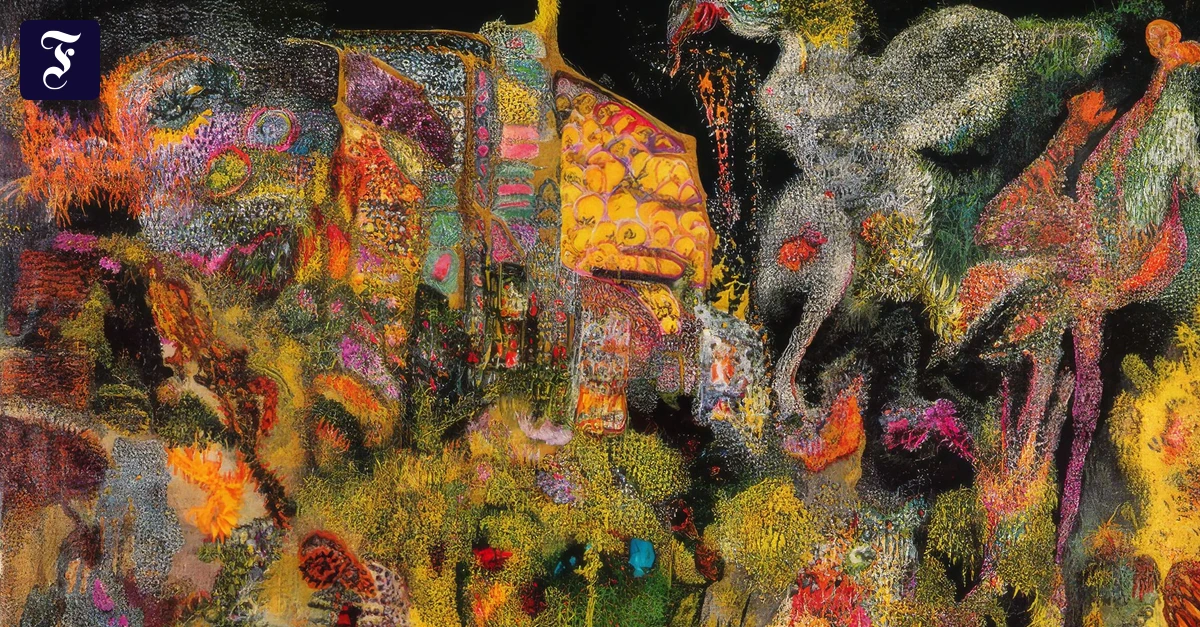
A missing painting by the artist Ursula, titled “Schloss und Reich des…” (Castle and Empire of…), has been recovered from a Frankfurt school after 56 years, according to reports from the Frankfurter Allgemeine Zeitung (FAZ). The artwork was rediscovered after a loan request from Bern, Switzerland, prompted the city of Frankfurt to conduct a search for the missing piece.
The recovery marks the end of a decades-long disappearance for a work that had been lost to the public and the city’s official records. The painting was located within the premises of a school in Frankfurt, though the specific circumstances regarding how the artwork came to be housed in an educational facility remained a central point of the investigation.
The search was triggered when an institution in Bern expressed interest in borrowing the piece. This inquiry forced city officials to realize the painting was not in its expected location, leading to a systematic review of city-owned properties and assets.
How was the missing Ursula painting rediscovered?
The discovery occurred after the city of Frankfurt received a formal request from Bern to loan the artwork. Because the painting was missing from the city’s primary collections, officials began a search of various municipal sites. This process eventually led them to a school in Frankfurt, where the painting had been residing for 56 years.

According to the FAZ, the artwork had effectively vanished from the city’s cultural inventory, meaning it was not listed in the active locations where the city’s art assets were typically stored or displayed. The fact that it was found in a school suggests it may have been placed there for decorative or educational purposes decades ago and subsequently forgotten by the administration.
What is the significance of the artwork “Schloss und Reich des…”?
The painting is a work by the artist known as Ursula. While the full title is listed as “Schloss und Reich des…”, the piece represents a specific era of artistic production and city ownership. The recovery is significant not only for the preservation of the art itself but for the administrative correction of the city’s cultural archives.

For over five decades, the city of Frankfurt had no verified record of the painting’s location. The return of the piece allows the city to once again manage the artwork according to professional museum standards, ensuring its preservation and potential future exhibition, such as the loan requested by the Swiss city of Bern.
What happens next for the recovered painting?
Following the discovery, the painting is expected to undergo a professional assessment to determine its condition after 56 years in a non-museum environment. The city of Frankfurt must now decide if the loan request from Bern will be honored and how the painting will be integrated back into the city’s official art collection.
The incident has highlighted gaps in the inventory management of municipal art assets. City officials are now tasked with ensuring that other works of art are not similarly misplaced within public buildings or schools across the city.
Official updates regarding the painting’s condition and its future exhibition schedule are expected to be released by the city of Frankfurt’s cultural department.
Do you have information about other missing artworks or thoughts on how cities should manage public art? Share your comments below.