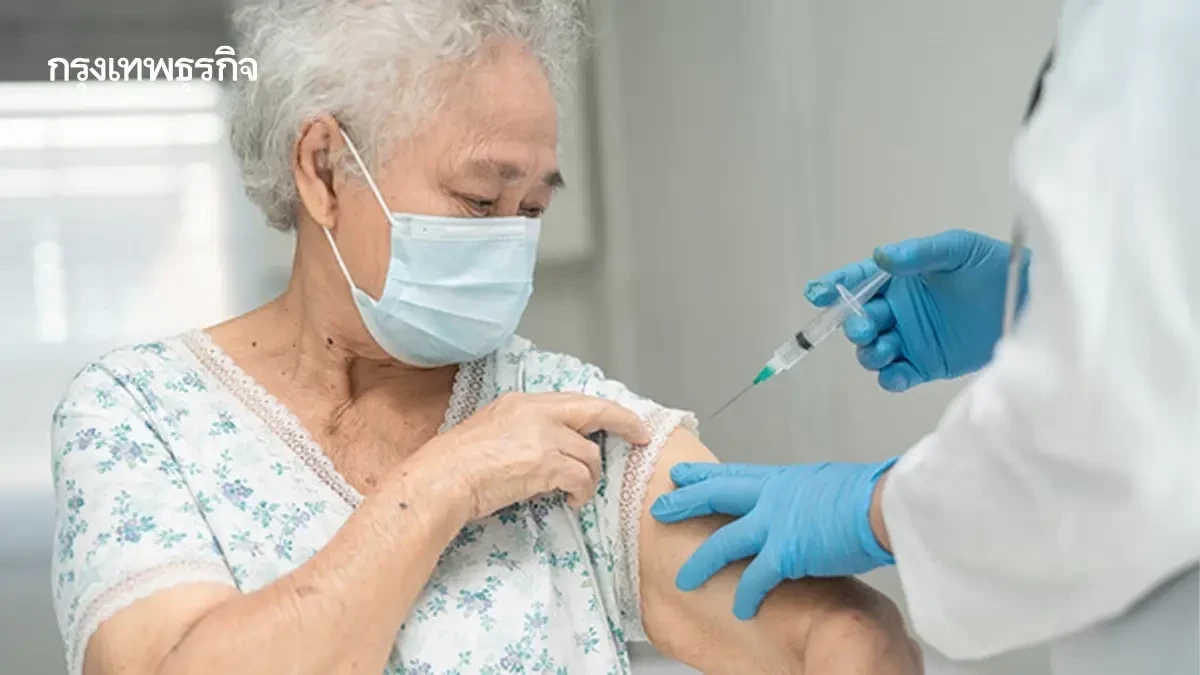
Thailand Launches Free Influenza Vaccination Campaign for 7 High-Risk Groups
BANGKOK — As the annual influenza season approaches, Thailand’s National Health Security Office (NHSO) has announced a nationwide campaign to provide free influenza vaccinations to seven high-risk groups. The initiative, set to commence on May 1, 2026, aims to reduce the severity of the disease and prevent complications, particularly among vulnerable populations. The campaign will run until August 31, 2026, offering protection ahead of the peak flu season, which typically occurs during the rainy months in Thailand.
The NHSO, a government agency responsible for Thailand’s universal healthcare system, has emphasized the importance of vaccination in mitigating the impact of influenza, which can lead to hospitalization and even death in severe cases. The campaign is open to all Thai citizens, regardless of their healthcare coverage, and will be available at public health facilities across the country. Appointments can be scheduled in advance through the Pao Tang mobile application or by visiting local healthcare providers.
Influenza remains a significant public health concern in Thailand, with the Ministry of Public Health reporting thousands of cases annually. The virus can spread rapidly, particularly in crowded settings, and poses a higher risk to individuals with underlying health conditions. By targeting high-risk groups, the NHSO hopes to reduce the burden on the healthcare system and prevent outbreaks in communities.
Who Qualifies for Free Vaccination?
The NHSO has identified seven high-risk groups eligible for free influenza vaccination under this campaign. These groups were selected based on their increased vulnerability to severe illness or complications from the flu. The eligible categories include:
- Pregnant women: Recommended at 12–20 weeks of gestation, though vaccination can be administered at any stage of pregnancy to protect both mother and child.
- Children aged 6 months to 2 years: Young children are particularly susceptible to severe flu symptoms and complications.
- Individuals with chronic illnesses: This includes patients with conditions such as diabetes, heart disease, lung disease, kidney disease, and neurological disorders.
- Adults aged 65 and older: Older adults are at higher risk of severe illness due to weakened immune systems.
- Healthcare workers: Frontline workers are prioritized to prevent transmission to vulnerable patients and maintain healthcare system capacity.
- People with obesity (BMI ≥ 30): Obesity is a known risk factor for severe influenza outcomes.
- Individuals with disabilities or immunocompromised conditions: This group includes those with HIV/AIDS, cancer patients undergoing treatment, and others with weakened immune systems.
The NHSO has clarified that the vaccine is safe for all eligible groups, including pregnant women, and does not pose risks to the fetus. The vaccine used in the campaign is the seasonal influenza vaccine, which is updated annually to target the most prevalent strains of the virus. According to the World Health Organization (WHO), seasonal influenza vaccines are effective in reducing the risk of illness by 40–60% among the general population when the vaccine strains match circulating viruses.
How to Access the Vaccine
Eligible individuals can receive the influenza vaccine free of charge at any public health facility in Thailand, including hospitals, health centers, and clinics participating in the NHSO’s universal healthcare program. To streamline the process, the NHSO has introduced a digital appointment system through the Pao Tang app, which allows users to book vaccination slots in advance. The app, widely used in Thailand for government services, similarly provides information on the nearest vaccination sites and real-time updates on vaccine availability.

For those who prefer in-person registration, walk-in services are available at local healthcare providers. The NHSO has urged eligible individuals to bring their national identification card or healthcare coverage documents to verify their eligibility. The campaign is open to all Thai citizens, including those covered under the country’s three main healthcare schemes: the Civil Servant Medical Benefit Scheme, the Social Security Scheme, and the Universal Coverage Scheme.
In a statement, the NHSO emphasized the importance of early vaccination to ensure protection before the flu season peaks. “Influenza can have serious consequences, especially for high-risk groups,” the agency noted. “By getting vaccinated early, individuals can protect themselves and their communities from the spread of the virus.”
Why This Campaign Matters
Thailand’s free influenza vaccination campaign is part of a broader effort to improve public health outcomes and reduce the economic burden of preventable diseases. Influenza is responsible for a significant number of hospitalizations and deaths each year, particularly among high-risk populations. According to data from the Thai Ministry of Public Health, the country records an average of 30,000 to 50,000 influenza cases annually, with higher numbers during peak seasons.
The campaign also aligns with global public health recommendations. The WHO estimates that influenza causes 3 to 5 million cases of severe illness worldwide each year, resulting in 290,000 to 650,000 respiratory deaths. Vaccination is widely recognized as the most effective way to prevent influenza and its complications. In Thailand, where healthcare resources are often stretched during the rainy season, preventive measures like vaccination can support alleviate pressure on hospitals and clinics.
For individuals who fall outside the high-risk groups, the NHSO encourages vaccination through private healthcare providers, where the vaccine is available for a fee. The agency has also advised the public to practice solid hygiene, such as frequent handwashing and wearing masks in crowded places, to further reduce the risk of infection.
Addressing Common Concerns
Despite the proven benefits of influenza vaccination, some individuals may have concerns about its safety or effectiveness. The NHSO has addressed several common questions to encourage participation in the campaign:
- Is the vaccine safe? Yes, the seasonal influenza vaccine has been rigorously tested and is considered safe for all eligible groups, including pregnant women and children. The vaccine does not contain live virus and cannot cause influenza.
- How effective is the vaccine? The effectiveness of the influenza vaccine varies each year depending on how well the vaccine strains match the circulating viruses. On average, the vaccine reduces the risk of illness by 40–60% when the match is good.
- Can I get the flu from the vaccine? No, the influenza vaccine contains inactivated (killed) virus or viral components that cannot cause infection. Some people may experience mild side effects, such as soreness at the injection site or a low-grade fever, but these are not signs of influenza.
- Why do I need a flu shot every year? Influenza viruses evolve rapidly, and the vaccine is updated annually to target the most prevalent strains. Immunity from the vaccine wanes over time, so annual vaccination is recommended for optimal protection.
The NHSO has also emphasized that vaccination not only protects individuals but also contributes to herd immunity, reducing the overall spread of the virus in the community. This is particularly important for individuals who cannot be vaccinated, such as those with severe allergies to vaccine components.
Looking Ahead
The NHSO’s free influenza vaccination campaign is expected to run smoothly, with sufficient vaccine supplies allocated to all regions of Thailand. The agency has coordinated with local health authorities to ensure that vaccines are distributed equitably and that healthcare providers are prepared to meet demand.
For the latest updates on the campaign, including information on vaccine availability and participating healthcare facilities, individuals can visit the NHSO’s official website or employ the Pao Tang app. The NHSO has also set up a hotline for inquiries, which can be reached at 1330.
As the campaign kicks off on May 1, health officials are urging eligible individuals to take advantage of this opportunity to protect themselves and their loved ones. “Vaccination is a simple yet powerful tool in the fight against influenza,” the NHSO stated. “By getting vaccinated, you are not only safeguarding your health but also contributing to the well-being of your community.”
For more information on influenza prevention and the NHSO’s vaccination programs, readers can explore the latest public health advisories on World Today Journal’s Health section. Share your thoughts on this initiative in the comments below, and don’t forget to share this article with those who may benefit from the free vaccination campaign.
Related reading