
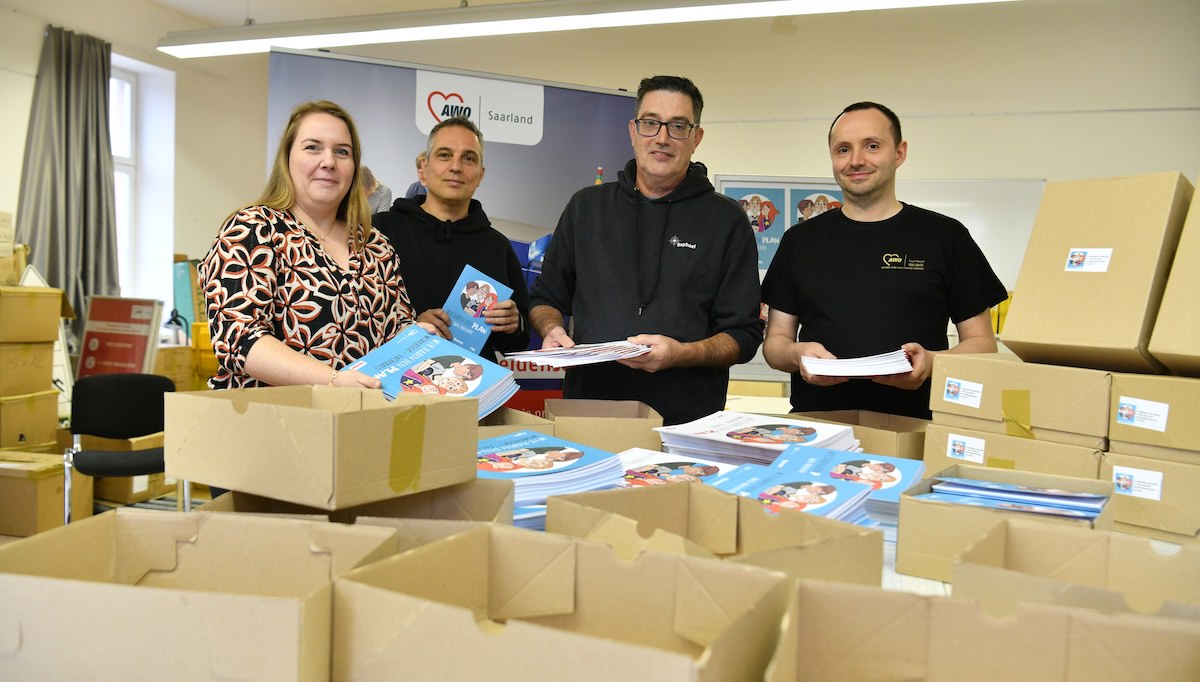
In an effort to dismantle the culture of silence surrounding sexual abuse in educational settings, the Phoenix counseling center in Saarbrücken, Germany, has launched a targeted initiative to equip educators with the tools necessary to identify and prevent sexualized violence. The organization is providing 70 specialized boxes of educational materials free of charge to schools and training facilities, aiming to bridge the gap between theoretical knowledge and practical classroom application.
The initiative addresses a critical vulnerability in child protection: the often-unspoken nature of sexualized violence within the classroom and the lack of confidence many teachers feel when addressing these sensitive topics. By providing tangible, structured resources, the Phoenix center seeks to empower teachers to foster an environment where students feel safe reporting misconduct and where boundaries are clearly defined and understood.
This move comes at a time of heightened awareness across Europe regarding the necessity of comprehensive sexual education and the systemic failures that allow abuse to go unnoticed in institutional settings. The distribution of these materials represents a shift toward proactive, community-based prevention, moving beyond reactive counseling to early-stage intervention through the education system.
Equipping Educators: The Phoenix Initiative
The Phoenix counseling center, based in Saarbrücken, specializes in supporting victims of sexualized violence. Recognizing that many educators lack the specific training or materials to lead discussions on boundaries, consent, and abuse, the center developed a curated set of resources designed for direct use in the classroom. The program is currently offering 70 boxes
of these materials to local educational institutions at no cost, ensuring that financial constraints do not hinder the implementation of essential safety education.

These educational kits are designed to facilitate difficult conversations, providing teachers with a structured framework to discuss sexualized violence without causing further trauma or confusion. The materials typically include age-appropriate guides, interactive exercises, and informational pamphlets that help students distinguish between healthy and unhealthy behaviors. By standardizing the approach to these conversations, the Phoenix center aims to ensure that no student’s safety depends solely on the individual inclinations of a single teacher.
The primary goal of the initiative is to break the silence that often protects perpetrators. When students are taught the vocabulary of consent and the right to bodily autonomy, they are significantly more likely to report inappropriate behavior. This structural empowerment transforms the classroom from a potential site of silence into a frontline of prevention.
The Critical Role of Prevention in Schools
Sexualized violence often thrives in environments where there is a power imbalance and a lack of communication. In a school setting, the hierarchy between student and teacher or among peer groups can create barriers to reporting. Experts in child psychology emphasize that early prevention education does not “sexualize” children. rather, it provides them with the cognitive tools to recognize danger and the confidence to seek help.
The prevalence of sexualized violence remains a global challenge, often underreported due to shame, fear, or a lack of awareness. According to data from the World Health Organization, violence against women and girls—including sexual violence—is a widespread human rights violation that requires systemic preventative measures. Integrating these measures into the school curriculum ensures that protection is woven into the daily fabric of a child’s life.
For educators, the challenge is often not a lack of will, but a lack of methodology. Many teachers report feeling ill-equipped to handle the emotional weight of these topics or fear saying the “wrong thing.” The materials provided by the Phoenix center act as a pedagogical scaffold, allowing teachers to rely on verified, professional guidelines rather than intuition.
Breaking the ‘Culture of Silence’
The phrase against the silence in the classroom
underscores the psychological barrier that the Phoenix center is attempting to dismantle. Silence in the face of sexualized violence is rarely neutral; it is often a byproduct of social taboos or institutional desires to avoid scandal. When a school environment ignores the topic of sexual violence, it inadvertently sends a message to victims that their experiences are unspeakable or unimportant.
Breaking this silence involves two parallel tracks: educating the students and training the adults. Whereas the 70 boxes provide the tools for student engagement, the act of a school requesting and utilizing these materials signals a commitment to transparency. It tells the student body that the administration acknowledges the risk of sexualized violence and is actively working to prevent it.
this initiative encourages a shift toward trauma-informed teaching. By introducing these topics openly, schools can identify students who may already be suffering in silence. The presence of these materials in a classroom can serve as a catalyst for a student to approach a teacher and disclose abuse, knowing that the teacher is now equipped with the knowledge to handle the disclosure appropriately.
Regional Impact and the Path Forward
While the current distribution of materials is centered in Saarbrücken, the model provides a blueprint for other regions in Germany and across the European Union. The integration of specialized counseling center expertise into the public school system creates a vital link between clinical support and preventative education.

The success of such programs is typically measured not just by the number of boxes distributed, but by the increase in reports and the subsequent improvement in student safety outcomes. As more schools adopt these frameworks, the expectation of safety and consent becomes a cultural norm rather than a policy requirement.
For those seeking to implement similar programs or seeking support, the German Federal Government and various state-level ministries of education provide guidelines on child protection and the prevention of sexualized violence in educational settings. These official frameworks often complement the practical tools provided by organizations like Phoenix.
Key Takeaways for Educators and Parents
- Early Intervention: Providing students with the language of consent and boundaries is the most effective way to prevent sexualized violence.
- Resource Accessibility: Organizations like the Phoenix center are filling gaps in state-provided training by offering free, professional-grade materials.
- Institutional Transparency: Openly discussing prevention in the classroom reduces the stigma for victims and increases the likelihood of reporting.
- Professional Support: Educators are encouraged to collaborate with specialized counseling centers to ensure their approach is trauma-informed and clinically sound.
The Phoenix counseling center continues to monitor the impact of these materials and provides ongoing support for the educators who integrate them into their curricula. The next phase of the initiative involves gathering feedback from the participating schools to refine the materials for future distributions.
We invite our readers to share their perspectives on the role of sexual education in schools and how their local communities are addressing the prevention of sexualized violence. Please leave your comments below or share this article to raise awareness about the importance of breaking the silence in our classrooms.