
Residents in Saint-Ouen-sur-Seine, France, have the opportunity to access free skin cancer screening services on June 16, as part of a local public health initiative. The program, designed to increase early detection rates for malignant melanoma and other non-melanoma skin cancers, provides citizens with professional dermatological assessments in a community-based setting. Early diagnosis remains the most effective strategy for improving patient outcomes, according to the World Health Organization.
Public health officials emphasize that skin cancer, while highly prevalent, is often treatable when identified in its initial stages. By hosting these screening days, the municipality of Saint-Ouen aims to reduce barriers to specialized care, such as long waiting times for private dermatology appointments or lack of access to clinical facilities. The event is part of a broader European effort to raise awareness about the risks of ultraviolet (UV) radiation and the importance of regular skin checks.
Understanding the Importance of Dermatological Screening
Skin cancer occurs when DNA damage in skin cells—often triggered by UV exposure—leads to mutations that cause cells to multiply rapidly. The French National Cancer Institute (INCa) reports that while basal cell and squamous cell carcinomas are the most common forms, melanoma is the most aggressive and requires immediate clinical attention. Dermatologists utilize dermoscopy—a non-invasive imaging technique—to examine suspicious lesions that may not be visible to the naked eye.
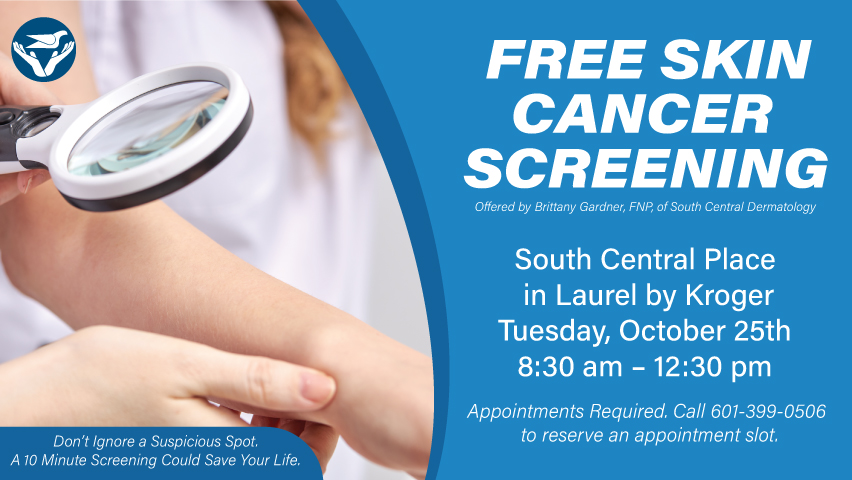
The screening process in Saint-Ouen typically involves a visual inspection of the skin surface, focusing on areas frequently exposed to the sun, such as the face, neck, and limbs. If a practitioner identifies a lesion with irregular borders, uneven coloring, or changing size, they may recommend a biopsy or a follow-up consultation with a specialist. According to clinical guidelines established by the American Academy of Dermatology, individuals should monitor their own skin for changes using the ABCDE criteria: asymmetry, border irregularity, color variation, diameter, and evolving shape.
Public Health Initiatives and Accessibility
In France, the healthcare system is currently facing a shortage of dermatologists, which can lead to significant delays in routine screenings. Community-led initiatives like the one scheduled for June 16 serve as a bridge for residents who might otherwise defer medical care. By offering these services at no cost, the local government provides a critical safety net, particularly for individuals who are uninsured or have limited access to private practice providers, as noted in reports from the French Ministry of Health and Prevention.

These events are not intended to replace comprehensive annual check-ups for those at high risk—such as individuals with a personal or family history of skin cancer, those with light skin tones, or people with a high number of atypical moles. Instead, they serve as a triage point to identify potential concerns and encourage citizens to establish a consistent relationship with primary care physicians or dermatologists. The initiative highlights the shift toward preventive medicine, where health systems attempt to identify pathologies before they progress to advanced, costlier stages of disease.
What to Expect During Your Appointment
Participants attending the screening should prepare by removing makeup, nail polish, and jewelry, as these can obstruct the examination of the skin and nail beds. Physicians will typically ask about the patient’s history of sunburns, use of tanning beds, and any history of skin cancer within the family. It is vital to note that these sessions are usually brief, focusing on a general scan rather than an exhaustive dermatological workup.
If a practitioner finds a spot of concern, they will provide a referral for a formal diagnosis. It is the responsibility of the patient to follow up on these recommendations. As with all medical screenings, the results are confidential and shared only between the examining physician and the patient. Residents interested in the June 16 event are advised to check the official municipal website of Saint-Ouen for registration requirements, as many of these sessions operate on an appointment-only basis to manage patient volume effectively.
Future Directions in Skin Cancer Prevention
The success of local screening programs often depends on public engagement and the availability of qualified healthcare personnel. Moving forward, health authorities in the Île-de-France region are exploring ways to integrate teledermatology, allowing primary care doctors to send images of skin lesions to specialists for remote review. This could potentially alleviate the burden on in-person clinics and expand access to rural or underserved urban areas.

The next major update regarding public health initiatives in Saint-Ouen will be available through the city’s health department portal. Residents are encouraged to monitor local municipal bulletins for future screening dates and health workshops. If you have questions about your personal risk profile or notice any changes in your skin, contact your primary care physician or a licensed dermatologist today. We invite you to share your experiences or questions in the comments section below.
Keep reading