The escalating concerns surrounding artificial intelligence and its potential for misuse have come to a head wiht recent controversies surrounding X, formerly Twitter, and its image generation capabilities. As of January 11, 2026, the platform is facing intense scrutiny over the proliferation of non-consensual deepfakes, prompting international debate and potential legal action. Understanding the implications of AI-generated content is crucial for both individuals and policymakers.
The Deepfake Dilemma: A Global Response
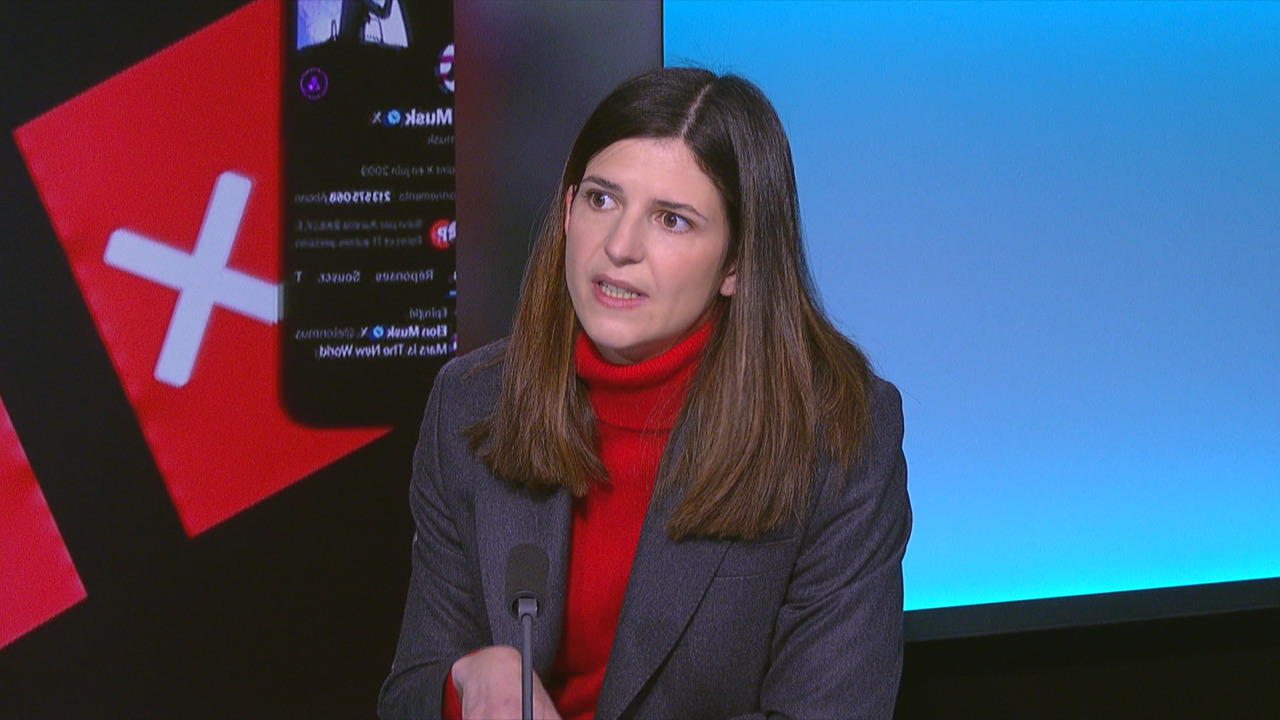
France’s AI and digital ambassador, Clara Chappaz, has publicly denounced X’s approach to combating deepfake abuse as a ”scam.” This criticism stems from the platform’s decision to place its image generation feature behind a paywall for public posts, while still offering free access within a private area. I’ve found that this kind of tiered access often feels like a performative solution, addressing the optics of the problem without tackling the root cause.
Several nations have already taken decisive action. Malaysia and Indonesia have temporarily suspended access to Grok, X’s AI chatbot, due to the widespread dissemination of harmful content. Chappaz indicated France is actively collaborating with international partners to formulate a coordinated response, emphasizing the importance of legal recourse for victims. She strongly encouraged anyone in France affected by these deepfakes to pursue legal action, noting the country’s stringent laws – up to three years imprisonment and fines reaching €75,000 for creating non-consensual sexual deepfakes.
Discussions are underway among Australia, the UK, and Canada regarding potential joint measures, although Canada’s AI minister, Evan Solomon, clarified via a post on X that a complete ban is not currently being considered. This highlights the complex balancing act governments face: protecting citizens while avoiding overly restrictive measures that could stifle innovation.
The rise of Abusive AI content on X
The surge in abusive content began earlier this year, with X users exploiting Grok to generate sexually explicit, violent, and extremist material. A particularly disturbing trend involved altering images of women without their consent, stripping them of their clothing. This isn’t simply a technological issue; it’s a societal one, reflecting and amplifying existing power imbalances and harmful attitudes.
While X’s implementation of a paywall for public image generation has reportedly led to a decrease in the volume of illicit posts – researchers observed a decline from peak levels of tens of thousands per day in early January – Chappaz remains unconvinced.She argues that the paywall simply shifts the financial burden onto users while allowing X to profit from the problematic functionality. “I see it as a scam as what it means is people pay to get access to the functionality, and guess who benefits from it? X, who’s getting more income as an inevitable result,” she stated.
Pro Tip: If you encounter non-consensual deepfake content online, document it immediately. Take screenshots and gather any relevant information before reporting it to the platform and, if applicable, to law enforcement.
Understanding the Legal Landscape of Deepfakes
The legal ramifications of creating and distributing deepfakes are evolving rapidly. Beyond France’s strict penalties, several US states have enacted laws addressing deepfake pornography, and federal legislation is being considered. However, enforcement remains a significant challenge, particularly given the ease with which deepfakes can be created and disseminated across borders. The legal framework surrounding AI ethics is still very much in its infancy.
Here’s a quick comparison of penalties in different regions (as of January 2026):
| Country/Region | Penalty for Non-Consensual Deepfakes |
|---|---|
| France | Up to 3 years imprisonment,€75,000 fine |
| United States (State-Specific) | Varies widely; civil and criminal penalties |
| United Kingdom | Potential criminal charges under existing harassment/revenge porn laws |
The core issue isn’t just the technology itself,but the intent behind its use. Creating a deepfake for satirical purposes is vastly different from creating one to harass, defame, or exploit another person. This distinction is crucial for both legal and ethical considerations.
Did You No? The term “deepfake” originated in 2017 on Reddit, initially used to describe manipulated celebrity videos. However, the technology has since become far more complex and accessible, leading to a dramatic increase in its misuse.