
A Paris correctional court has found the French cement giant Lafarge and eight former executives guilty of financing terrorism during the height of the Syrian conflict. The ruling, delivered on Monday, April 13, 2026, concludes a long-standing legal battle over the company’s operations in war-torn Syria between 2013 and 2014.
The court determined that the company made payments to jihadist groups, including the Islamic State (ISIS), to ensure the continued operation of a cement plant in Syria. This decision to prioritize industrial continuity over international law has led to severe legal consequences for both the corporate entity and its former leadership.
The conviction centers on the company’s efforts to maintain its business interests amidst the Syrian Civil War. According to court findings, these payments provided the terrorist organizations with essential funds that were subsequently used to facilitate attacks, including the devastating January 2015 attacks in France reported by Swissinfo.
This landmark ruling underscores the growing legal accountability for multinational corporations operating in high-risk zones. By establishing that corporate payments to militant groups constitute the financing of terrorism, the French judiciary has set a significant precedent for global business ethics and international law.
Corporate Complicity and the Syrian Conflict
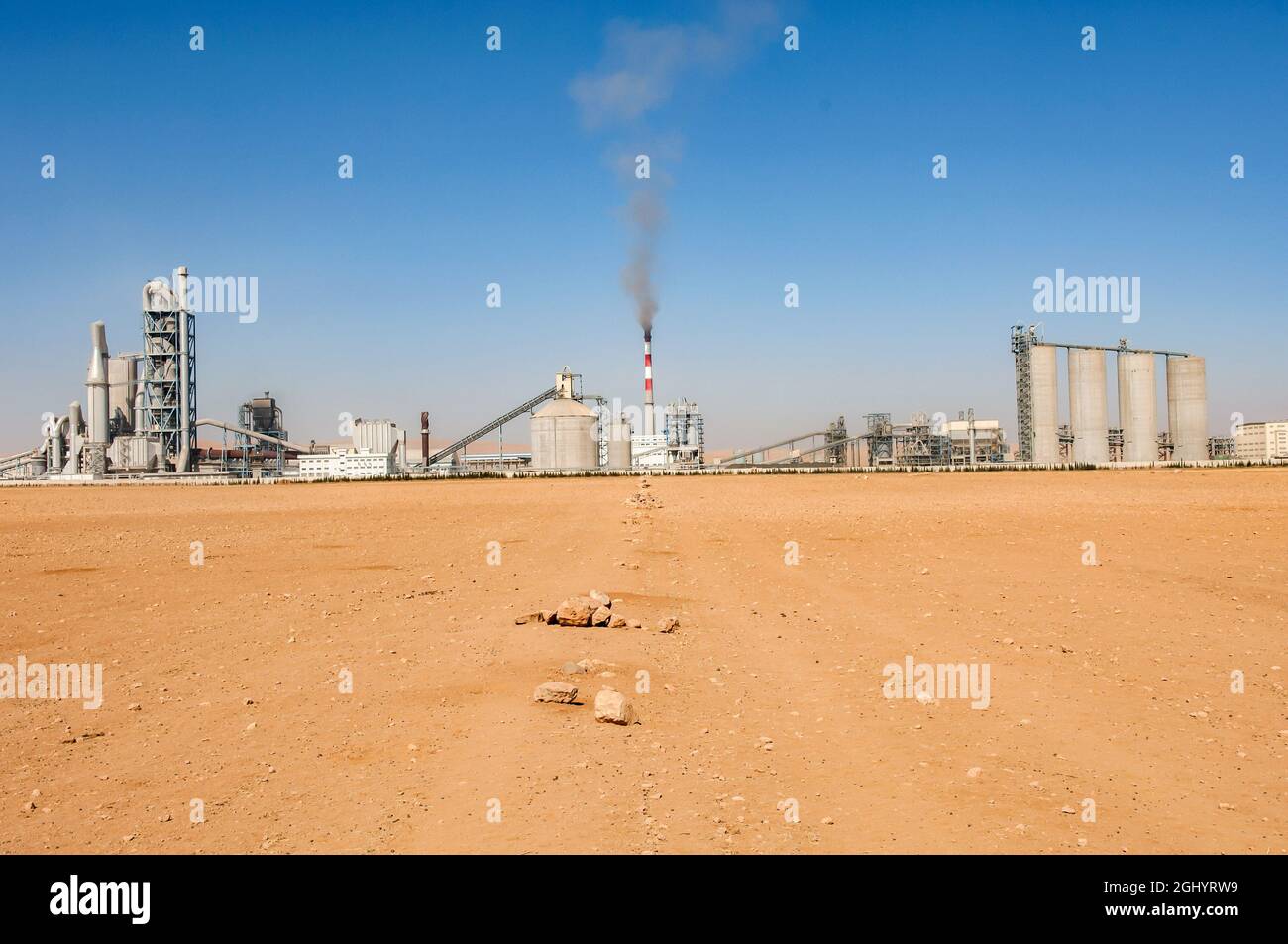
The legal proceedings revealed a pattern of behavior where Lafarge sought to protect its assets in Syria by negotiating with whoever held territorial control. Between 2013 and 2014, the company operated a plant in a region where various militant factions, including ISIS, exerted power. To keep the plant running, the company engaged in a system of payments to these groups.
The gravity of these actions extends beyond financial transactions. Former employees have previously raised alarms regarding the company’s conduct; eleven former Syrian employees of the firm submitted a criminal complaint alleging complicity in grave human rights violations via the European Center for Constitutional and Human Rights (ECCHR).
The court’s decision clarifies that the pursuit of profit and the maintenance of operational capacity cannot justify the funding of entities designated as terrorist organizations. The eight former executives convicted were found to have played key roles in authorizing or overseeing these payments, demonstrating a failure of corporate governance at the highest levels.
Impact on Global Security and Legal Precedents
The implications of the Lafarge conviction are far-reaching. The court explicitly linked the financing provided by the company to the ability of terrorist groups to “prepare terrorist attacks,” specifically citing the events of January 2015 according to the sentencing details.

This connection transforms the case from a matter of corporate negligence into a critical issue of national and international security. It highlights the “grey zone” that some companies attempt to navigate in conflict regions, where the line between “protection money” and “terrorism financing” is often blurred by corporate leadership.
From a financial and regulatory perspective, this ruling serves as a warning to boards of directors globally. The conviction of eight former executives signals that individual liability can be pursued even years after the events occurred, provided there is evidence of criminal complicity in financing illegal armed groups as noted by Deutsche Welle.
Key Takeaways of the Ruling
- Convictions: Lafarge and eight former executives were found guilty by the Paris correctional court.
- Timeline: The illegal financing occurred primarily during 2013 and 2014.
- Motivation: Payments were made to ensure the continued operation of a cement plant in Syria.
- Consequences: The court linked these funds to the preparation of terrorist attacks in Europe, including those in January 2015.
- Human Rights: The case follows previous complaints from former employees regarding complicity in human rights abuses.
What This Means for International Business
For the global business community, the Lafarge case emphasizes the necessity of rigorous due diligence and ethical auditing in conflict-affected areas. The “cost of doing business” in unstable regions cannot include the funding of militant groups, regardless of the operational necessity.
Economic policy and corporate law are increasingly intersecting with human rights and counter-terrorism mandates. Companies that ignore these risks face not only massive financial penalties but also the criminal prosecution of their leadership. The ruling reflects a broader trend in European courts to hold corporations accountable for their impact on global security and human rights.
The case also highlights the role of whistleblowers and former employees in bringing corporate malpractice to light. The initial complaints filed by Syrian staff were instrumental in uncovering the extent of the company’s interactions with jihadist groups, proving that internal transparency is a critical risk management tool.
As the legal process continues, the focus will shift toward the specific penalties imposed on the eight former executives and the total fines levied against Lafarge. These penalties will likely serve as a benchmark for future cases involving corporate complicity in war crimes or terrorism financing.
The next confirmed legal step involves the finalization of sentencing and potential appeals processes by the convicted former executives. We will continue to monitor the court filings for updates on the specific penalties and reparations ordered by the tribunal.
We invite our readers to share their perspectives on corporate accountability in conflict zones in the comments below. Please share this report to keep the global business community informed on these critical legal developments.