
French Justice Minister Gérald Darmanin’s recent visit to Algeria has sent ripples through Franco-Algerian relations, marking a pivotal moment in the two countries’ efforts to reset diplomatic tensions and address long-standing legal and security challenges. The trip, which took place in early May 2026, was framed as part of a broader diplomatic thaw between Paris and Algiers—a thaw that has been carefully cultivated over the past 18 months following a period of strained relations. At the heart of the discussions were two pressing issues: the fight against organized crime networks with Algerian ties operating in France, commonly referred to as the “DZ Mafia”, and the delicate matter of French nationals detained in Algeria, including the high-profile case of Christophe, whose legal status has been a source of friction between the two governments.
While the Algerian government has historically been cautious about engaging in bilateral talks on sensitive security matters, Darmanin’s visit signals a shift in approach. Sources close to the French government, speaking on condition of anonymity, indicate that the discussions focused on extradition agreements, intelligence-sharing mechanisms, and joint operations to dismantle criminal networks exploiting the porous Mediterranean border. The Algerian side, in turn, has emphasized its commitment to regional stability, though officials have not yet confirmed specific outcomes from the talks.
This diplomatic overture comes against the backdrop of a growing transnational crime wave affecting both countries. France has increasingly identified organized crime groups with Algerian connections as major disruptors to its domestic security, particularly in areas like drug trafficking, arms smuggling, and cybercrime. Meanwhile, Algeria has faced pressure from international partners, including the European Union, to strengthen its counterterrorism and anti-mafia capabilities. Darmanin’s visit can be seen as an attempt to align these shared interests under a structured legal framework.
Why This Visit Matters: The Stakes of Franco-Algerian Relations
The Franco-Algerian relationship is one of the most complex in Europe, shaped by a colonial past, economic interdependence, and divergent political priorities. Algeria remains France’s largest trading partner in North Africa, with bilateral commerce exceeding €12 billion annually, according to recent INSEE data. Yet, historical grievances—particularly over migration policies, memory laws, and the treatment of French citizens in Algeria—have frequently overshadowed cooperation.
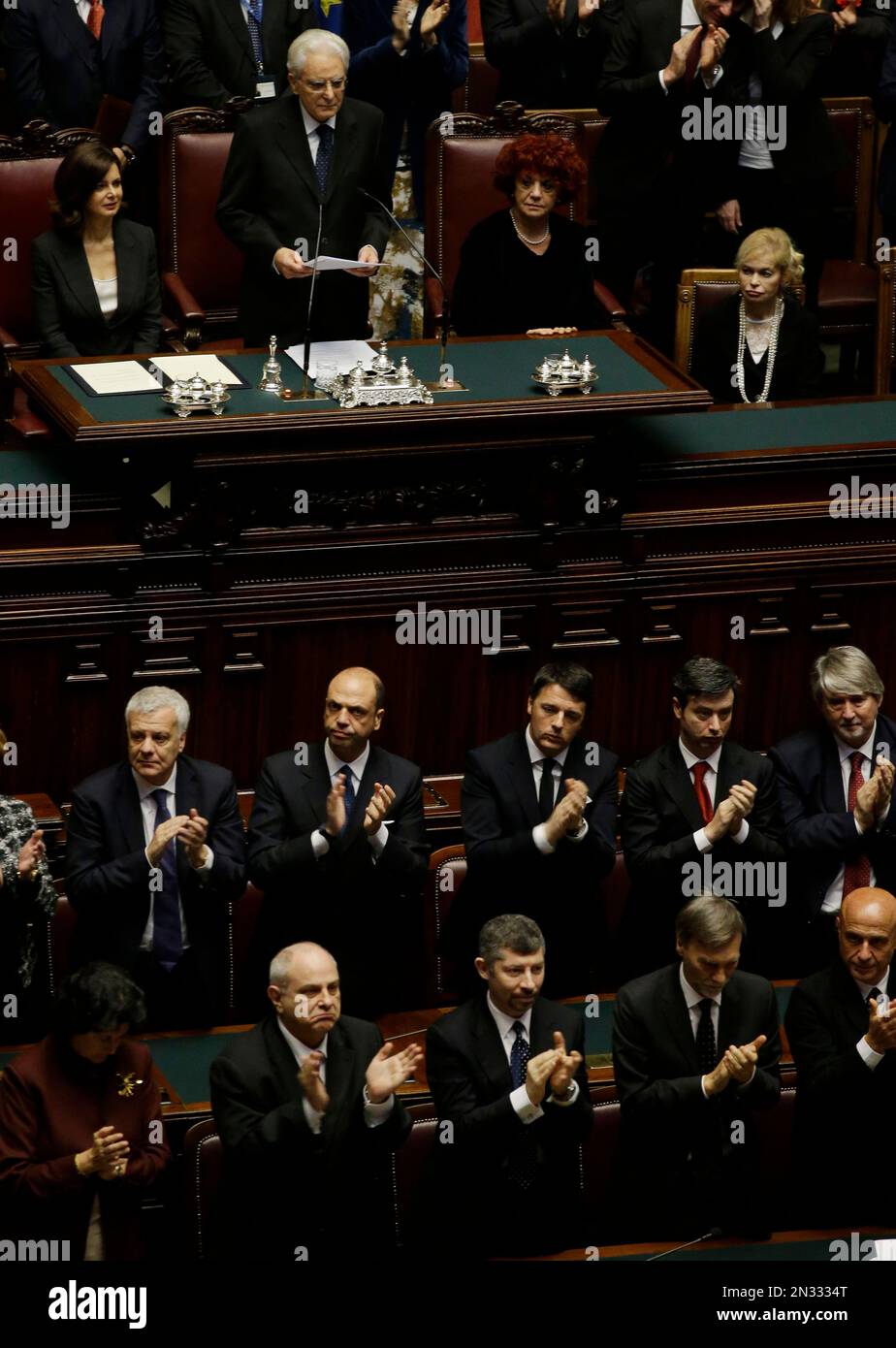
Darmanin’s trip is part of a broader strategy by President Emmanuel Macron’s administration to prioritize stability over historical grievances. In a speech delivered in Algiers, Darmanin reportedly stressed the need for “pragmatic solutions” to address crime while acknowledging the “shared responsibility” of both nations in combating it. This rhetoric contrasts with earlier periods where France had taken a more unilateral approach to security issues affecting its Algerian diaspora.
One of the most contentious issues during the visit was the case of Christophe, a French national detained in Algeria since 2024 on charges of espionage. While French officials have described his detention as politically motivated, Algerian authorities have maintained that the case is being handled according to due process. Darmanin’s discussions in this area are seen as an effort to de-escalate tensions and explore consular assistance avenues, though no concrete breakthroughs have been publicly announced.
The “DZ Mafia” Phenomenon: A Transnational Threat
The term “DZ Mafia” is used colloquially in French law enforcement circles to describe criminal networks with origins in Algeria that operate across Europe. These groups are alleged to be involved in a range of activities, including drug trafficking, human smuggling, and cyber fraud. French intelligence agencies have reportedly identified these networks as a growing threat to national security, particularly in cities like Marseille, Lyon, and Paris, where Algerian communities are concentrated.

In a 2025 report by France’s National Strategy Against Organized Crime, officials highlighted the lack of extradition treaties and jurisdictional gaps as major obstacles in prosecuting these networks. Darmanin’s visit appears to be an attempt to address these gaps by negotiating new legal frameworks for cross-border cooperation.
Algeria, for its part, has historically been reluctant to be perceived as a “soft target” for European security demands. The country’s own struggles with internal security, including insurgencies in the Kabylie region and border disputes with Libya, have limited its capacity to engage in extensive bilateral security cooperation. However, the economic incentives—such as potential EU funding for counterterrorism programs—may be pushing Algiers to adopt a more flexible stance.
What Happens Next? The Road Ahead for Franco-Algerian Cooperation
While Darmanin’s visit has been framed as a success by French officials, the real test will be in the implementation of agreements reached during the talks. Key milestones to watch include:
- Extradition framework: Whether France and Algeria can finalize a new extradition treaty, which would streamline the process of handing over suspects accused of transnational crimes.
- Christophe’s case: Whether Algerian authorities will grant consular access to French officials or provide updates on the legal proceedings, which have been shrouded in secrecy.
- Joint operations: The launch of coordinated police and intelligence operations targeting the “DZ Mafia” networks, potentially involving Interpol and Europol.
- Economic incentives: Whether France will offer Algeria concrete benefits, such as increased trade access or EU funding, in exchange for security cooperation.
Analysts suggest that the success of this diplomatic push will depend on mutual trust—something that has been eroded by years of mistrust. For France, the stakes are high: failing to address the “DZ Mafia” threat could embolden these networks and exacerbate social tensions in French cities. For Algeria, the challenge lies in balancing its sovereignty with the need for international partnership.
Key Takeaways
- Diplomatic thaw: Darmanin’s visit marks a deliberate effort to reset Franco-Algerian relations, focusing on security cooperation over historical disputes.
- “DZ Mafia” as a priority: French authorities view organized crime networks with Algerian ties as a major security threat, prompting calls for stronger legal frameworks.
- Christophe’s case remains unresolved: The detention of a French national in Algeria highlights ongoing tensions, though no breakthroughs have been announced.
- Economic leverage: France may use trade and EU funding as incentives to encourage Algerian cooperation on security matters.
- Long-term challenge: Building trust between the two nations will require sustained political will and concrete results from joint operations.
The next critical checkpoint will be the June 2026 Franco-Algerian summit, where Macron and Algerian President Abdelmadjid Tebboune are expected to review progress on security, trade, and migration. Until then, the focus remains on translating Darmanin’s diplomatic overtures into tangible action.
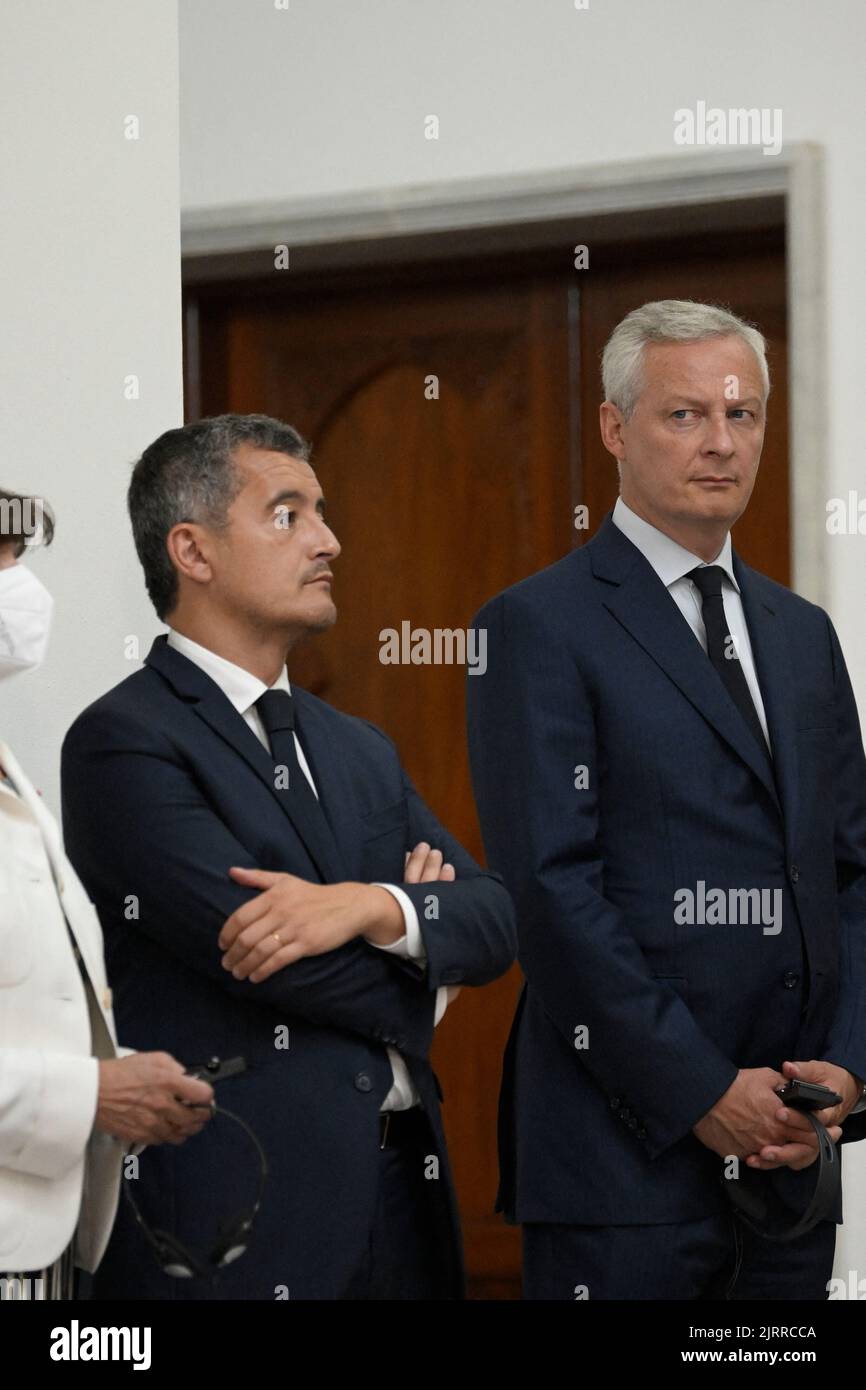
As Franco-Algerian relations stand at a crossroads, the coming months will determine whether this visit marks the beginning of a new era of cooperation—or merely a temporary lull in a long-standing rivalry. For now, one thing is clear: both nations have a vested interest in making this diplomatic push work.
What are your thoughts on this developing story? Share your insights in the comments below or join the discussion on our social media channels. For the latest updates on Franco-Algerian relations, subscribe to World Today Journal’s Business Briefing.