
For men over the age of 40, certain changes in urinary habits are often dismissed as a natural part of aging. However, medical professionals warn that specific symptoms—particularly the frequent need to urinate during the night—can be the first signal of underlying health conditions that require clinical attention. Recognizing these red flags early is critical for maintaining long-term prostate and urinary health.
The phenomenon of waking up multiple times a night to use the bathroom, known clinically as nocturia, is a primary concern for men in this age bracket. While it can be caused by simple factors like increased fluid intake before bed, it often serves as an early indicator of Benign Prostatic Hyperplasia (BPH), a condition where the prostate gland enlarges and puts pressure on the urethra.
Understanding the distinction between normal age-related changes and symptomatic illness is essential. While frequent urination is a common complaint, not every instance of increased bathroom visits signifies a disease. However, when combined with other urinary flow issues, these signs should prompt a consultation with a urologist to rule out more serious conditions, including prostate cancer or diabetes.
Recognizing the Warning Signs in Men Over 40
The primary symptom that often triggers medical concern for men over 40 is a change in voiding patterns. When the prostate gland grows, it can narrow the channel that carries urine from the bladder, leading to a variety of obstructive symptoms. These are not merely inconveniences but are physiological signals that the urinary tract is under stress.
Key symptoms to monitor include a weak or interrupted urinary stream, a feeling that the bladder is not completely empty after urinating, and a sudden, urgent need to void. When these symptoms are paired with nocturia—the act of waking up specifically to urinate—the likelihood of a prostate-related issue increases. According to medical guidelines, these “lower urinary tract symptoms” (LUTS) are the hallmark of prostate enlargement.
It is also important to note that while these symptoms are common in BPH, they can overlap with other conditions. For instance, an overactive bladder or a urinary tract infection can mimic some of these signs. Here’s why professional diagnosis is mandatory rather than relying on self-assessment based on general reports.
The Role of Benign Prostatic Hyperplasia (BPH)
Benign Prostatic Hyperplasia, or BPH, is a non-cancerous growth of the prostate. Because the prostate surrounds the urethra, any increase in size can compress the tube, making it difficult for urine to flow freely. This leads to the bladder working harder to push urine out, which can eventually weaken the bladder wall and increase the frequency of urination.
For many men, the first sign is a “hesitancy” to start urinating or a decrease in the force of the stream. Over time, this can lead to urinary retention, where urine remains in the bladder, increasing the risk of infections and potentially impacting kidney function if left untreated. Early detection allows for various management options, ranging from lifestyle modifications to medication and minimally invasive procedures.
Distinguishing Between Normal Aging and Pathology
A common point of confusion for patients is whether frequent urination is simply a result of getting older. Medical experts clarify that while the bladder’s capacity may change with age, a sudden or significant increase in nighttime trips is not a “normal” requirement of aging. Factors such as sleep apnea, hypertension medications (diuretics), and high fluid intake can contribute to nocturia, but they should be ruled out alongside prostate health.
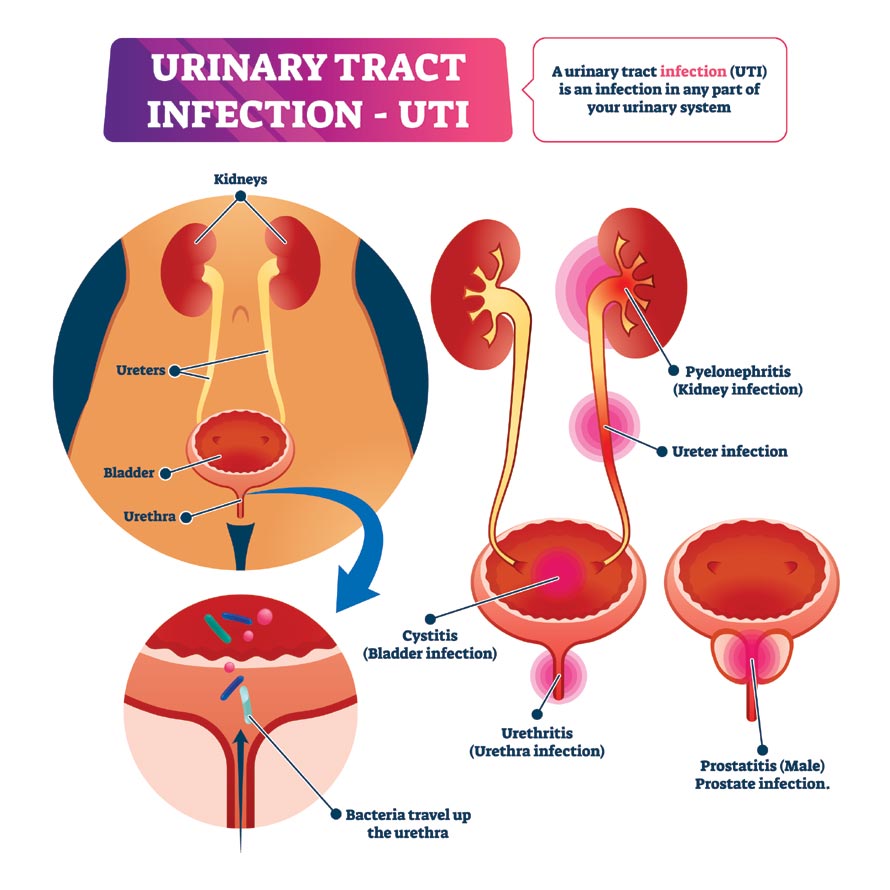
For example, men with diabetes may experience polyuria (excessive urination) due to high blood glucose levels. A comprehensive screening that includes a PSA (Prostate-Specific Antigen) test and a physical exam is the only way to accurately determine the cause of the symptoms.
Diagnostic Steps and When to See a Doctor
If a man over 40 experiences persistent urinary changes, the first step is a primary care visit. A physician will typically begin with a medical history and a physical examination. In many cases, a digital rectal exam (DRE) is performed to feel the size and consistency of the prostate gland, checking for nodules or irregularities that could indicate malignancy.
Further diagnostics may include:
- PSA Blood Test: Measuring the levels of Prostate-Specific Antigen in the blood, which can rise due to BPH, inflammation, or cancer.
- Urinalysis: To check for blood or infection in the urine.
- Uroflowmetry: A test that measures the speed and volume of urine flow.
- Ultrasound: To visualize the size of the prostate and determine if there is residual urine left in the bladder after voiding.
Early intervention is key. When BPH is caught early, it can often be managed with alpha-blockers, which relax the muscles in the prostate and bladder neck, making it easier to urinate. If the condition progresses, more advanced surgical options may be required to alleviate the obstruction.
Key Takeaways for Men’s Urinary Health
- Monitor Nighttime Habits: Waking up frequently to urinate (nocturia) can be an early signal of prostate enlargement.
- Watch the Stream: A weakening urinary flow or difficulty starting to urinate are critical red flags for men over 40.
- Avoid Self-Diagnosis: Frequent urination can be caused by various factors, including diabetes or medication; a professional diagnosis is essential.
- Prioritize Screenings: Regular check-ups including PSA tests and physical exams are vital for early detection of BPH and prostate cancer.
The next critical step for men experiencing these symptoms is to schedule a comprehensive urological screening. Early detection remains the most effective tool in preventing long-term complications of prostate health.
Do you or a loved one have questions about these symptoms? Share your experiences or questions in the comments below to join the conversation on men’s health.
Worth a look