
A fragile two-week ceasefire between the United States and Iran, established on the evening of April 7, 2026, is currently teetering on the edge of collapse as both nations clash over the control and accessibility of the Strait of Hormuz. The agreement comes after nearly six weeks of intense fighting that has severely disrupted global energy markets and expanded across a significant portion of the Middle East according to the Council on Foreign Relations.
At the center of the standoff is the demand for the “COMPLETE, IMMEDIATE, and SAFE OPENING” of the waterway, a critical choke point that handles nearly one-fifth of the world’s total oil and natural gas supply per CFR reporting. While President Donald Trump has conditioned the suspension of U.S. Bombing and attacks on Iran upon the reopening of the strait, reports suggest that Tehran may be attempting to leverage its geographic position by imposing tolls on passing vessels.
The tension is compounded by conflicting reports on the ground. While the ship tracking service MarineTraffic indicates that the first vessels have begun passing through the strait since the ceasefire deal, the Iranian state news agency Fars claims that oil tanker traffic has been halted following Israeli attacks on Hezbollah targets in Lebanon as reported by CNBC. White House Press Secretary Karoline Leavitt has dismissed the Iranian reports as “false,” asserting that the U.S. Has observed an “uptick of traffic” in the waterway.
The Dispute Over Shipping Tolls and Access
The White House has made it clear that the ceasefire depends on the Strait of Hormuz being opened “without limitation, including tolls” via CNBC. Press Secretary Karoline Leavitt emphasized that the president’s demands for the immediate reopening of the strait should be taken at “face value,” effectively drawing a red line against any Iranian attempt to charge fees for transit.
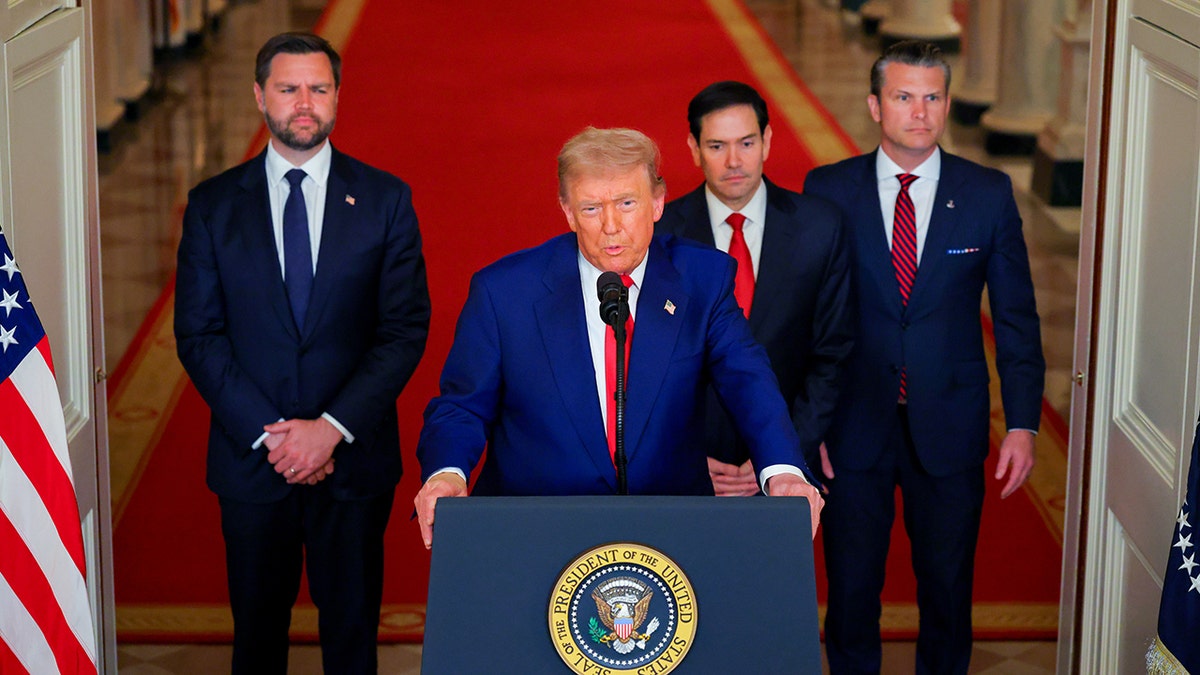
Despite this hardline stance, President Trump has floated a more unconventional diplomatic alternative. In an interview with ABC News on Wednesday morning, the president suggested the U.S. Might seek a “joint venture” with Iran to safeguard the waterway according to ABC7. When asked specifically about whether Tehran would be allowed to charge tolls, Trump described the idea of a joint venture as “a beautiful thing” and a method of securing the strait from other external actors.
This potential pivot toward a collaborative security arrangement contrasts sharply with the immediate threats issued by the administration. Hours before an 8:00 p.m. Eastern Time deadline on April 7, President Trump warned that if Iran did not follow through with the reopening of the waterway, “a whole civilization will die tonight” per the Council on Foreign Relations.
Military Pressure and ‘Operation Epic Fury’
The diplomatic maneuvering is backed by a significant display of U.S. Military force. On April 8, the U.S. Military conducted a fresh round of strikes on Kharg Island, a strategic location in the northern Persian Gulf that manages approximately 90 percent of Iran’s crude oil exports according to CFR.
During a Pentagon press conference on April 8, U.S. Defense Secretary Pete Hegseth characterized the results of “Operation Epic Fury” as a “historic and overwhelming victory” via CFR. Hegseth claimed the operation had decimated Iran’s military capabilities, rendering the country “combat ineffective for years to approach.” However, he cautioned that U.S. Forces remain “prepared to defend, prepared to go on offensive, [and] prepared to restart at a moment’s notice” to ensure Iranian compliance with the ceasefire terms.
Further complicating the peace process is the U.S. Position on Iran’s nuclear ambitions. President Trump has explicitly stated that he will not allow Iran to retain any uranium enrichment capabilities, despite repeated assertions from Tehran that it will not relinquish its freedom to enrich as reported by ABC7. The president confirmed that American forces will remain in the region to enforce any future agreements.
Diplomatic Outlook and the Islamabad Talks
While military pressure remains high, the focus now shifts to diplomatic channels. Negotiations for a more permanent agreement are scheduled to seize place on April 10 in Islamabad, Pakistan per the Council on Foreign Relations. President Trump has expressed expectation that these peace talks will move “incredibly quickly” via ABC7.
The role of third-party mediators has also come to light, with President Trump confirming that China played a key role in dealings with the Iranian government according to ABC7. This suggests a complex geopolitical layer to the negotiations, as the U.S. Attempts to balance military dominance with strategic diplomacy.
However, skepticism remains among international affairs experts. The volatility of the situation—evidenced by Iran’s claim that it closed the strait again immediately following the ceasefire due to Israeli actions in Lebanon—suggests that any agreement reached in Islamabad will face significant hurdles in implementation via CFR.
Key Dimensions of the Conflict
| Issue | U.S. Position | Iranian Position / Reported Action |
|---|---|---|
| Strait Access | Immediate, complete, and safe opening without tolls. | Reported attempts to charge tolls; claimed closure due to Israeli attacks. |
| Nuclear Capability | Zero uranium enrichment capabilities. | Asserts the right to maintain enrichment freedom. |
| Military Presence | U.S. Forces will remain in the region to enforce agreements. | Military declared “combat ineffective” by U.S. Defense Secretary. |
| Diplomacy | Permanent talks scheduled for April 10 in Islamabad. | Engaged in negotiations with Chinese mediation. |
The immediate next checkpoint for the international community will be the outcomes of the negotiations in Islamabad on April 10. Whether the “joint venture” concept or the threat of renewed strikes will prevail remains to be seen.
We invite our readers to share their perspectives on this developing crisis in the comments below. Please share this report to keep your network informed on global energy security.
Worth a look
- Große Polizeieinsätze in Köln: Was war gestern los?
- Rappers Who Have Gone Diamond: The Ultimate List of Hip-Hop’s Biggest Hits
- BP Q2 Profit Hits $5.7 Billion Amid Trump Criticism of Big Oil Windfalls (time.news)
- Trump Administration Begins Systematic Appropriation of Japanese Manga (newsdirectory3.com)