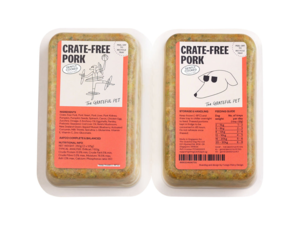
The pet food industry is undergoing a quiet revolution, and it’s happening in Singapore. Forget dry kibble – a growing number of pet owners in the city-state are opting for “huoshi” (火食), or “fire food,” a trend of freshly cooked meals for dogs and cats. This shift reflects a broader global phenomenon of “pet humanization,” where owners increasingly view their animals as family members and are willing to spend more on their health and wellbeing. But what exactly is huoshi, and what does this trend mean for the future of pet nutrition?
Huoshi, as the name suggests, involves cooking fresh ingredients – typically meats, vegetables, and grains – specifically for pets. Unlike commercially produced dry or wet food, which often undergoes high-temperature processing, huoshi aims to preserve more nutrients and improve digestibility. This approach is gaining traction as pet owners become more aware of the ingredients in their animals’ food and seek healthier, more natural options. The trend is particularly notable in Singapore, where a strong emphasis on food quality and a high proportion of pet owners with disposable income are driving demand.
The Rise of Personalized Pet Nutrition in Singapore
The Singaporean huoshi market isn’t simply about swapping kibble for cooked meals. It’s evolving into a sophisticated industry offering personalized nutrition plans tailored to individual pets. According to the Korea Rural Community Corporation (aT), through its KATI agricultural and food export information service, local huoshi specialists are integrating traditional medicine principles with customized nutritional strategies. Reports indicate that companies like BOM BOM utilize proprietary nutritional analyzers to assess a pet’s age, weight, and allergies, then formulate bespoke diets. They even provide guidance on appropriate portion sizes based on the pet’s life stage.
This level of personalization is underpinned by adherence to international nutritional standards. BOM BOM, for example, ensures its formulations meet the guidelines set by the Association of American Feed Control Officials (AAFCO) and the National Research Council (NRC), bolstering consumer trust. The emphasis on quality control extends to cooking methods. Innovative techniques like sous vide, low-temperature cooking followed by rapid freezing, and vacuum packaging are employed to maximize nutrient retention and minimize oxidation. Some huoshi providers are incorporating premium ingredients like antibiotic- and hormone-free meats, and even exotic proteins such as crocodile and kangaroo.
Beyond the Bowl: Market Trends and Opportunities
While the Singaporean huoshi market is currently dominated by locally sourced fresh meat, opportunities exist for supplementary products. AT representatives note a growing interest in nutritional supplements designed to be sprinkled on top of huoshi meals. This presents a potential avenue for domestic companies to enter the market with premium additives or “toppers” that complement the huoshi trend. The overall pet food market in Singapore is experiencing growth, with a particular focus on premium and specialized products. According to a report by Statista, the Singaporean snack market is also showing consistent growth, with flavors inspired by local cuisine like Bakuteh and Chili Crab gaining popularity.
The rise of huoshi isn’t occurring in isolation. It’s part of a larger global shift towards more natural and personalized pet food options. Consumers are increasingly scrutinizing ingredient lists, seeking out foods with limited processing, and prioritizing the overall health and wellbeing of their animal companions. This trend is fueled by a growing body of research highlighting the potential benefits of fresh, whole-food diets for pets, including improved digestion, increased energy levels, and enhanced immune function. However, it’s important to note that formulating a nutritionally complete and balanced huoshi diet requires careful planning and expertise. Simply cooking table scraps is not sufficient and can lead to nutritional deficiencies.
The Science Behind Huoshi: Nutrient Retention and Digestibility
The core principle behind huoshi’s appeal lies in the belief that gentle cooking methods preserve more nutrients compared to the high-temperature processes used in manufacturing traditional pet food. High heat can degrade certain vitamins and enzymes, reducing their bioavailability. Techniques like sous vide, which involves cooking food in a water bath at a precise temperature, and low-temperature freezing, help minimize nutrient loss. Fresh ingredients are generally more digestible than highly processed ones, meaning pets can absorb more nutrients from each meal. However, it’s crucial to understand that the nutritional content of huoshi meals can vary significantly depending on the ingredients used and the cooking methods employed.
The use of exotic proteins like crocodile and kangaroo, while novel, also serves a functional purpose. These meats offer alternative protein sources for pets with allergies or sensitivities to more common proteins like chicken or beef. They also provide a different amino acid profile, which can contribute to a more balanced diet. However, sourcing these proteins sustainably and ensuring their safety is paramount.
Challenges and Considerations for Huoshi Adoption
Despite its growing popularity, huoshi faces several challenges. One of the primary hurdles is cost. Fresh ingredients are generally more expensive than processed ingredients, making huoshi meals significantly pricier than traditional pet food. This can be a barrier to entry for some pet owners. Another challenge is convenience. Preparing huoshi meals requires time and effort, which may not be feasible for busy individuals.
ensuring the nutritional completeness and safety of huoshi diets requires expertise. Pet owners who choose to prepare their own huoshi meals must carefully research the nutritional requirements of their pets and consult with a veterinary nutritionist to ensure they are providing a balanced diet. Improperly formulated huoshi meals can lead to serious health problems. The potential for bacterial contamination is also a concern, as fresh ingredients are more susceptible to spoilage than processed foods. Proper food handling and storage practices are essential to minimize this risk.
The Role of Veterinary Nutritionists
Given the complexities of formulating a nutritionally complete and balanced huoshi diet, the role of veterinary nutritionists is becoming increasingly important. These specialists can assess a pet’s individual needs and create a customized meal plan that meets those needs. They can also provide guidance on ingredient selection, cooking methods, and food safety. The American College of Veterinary Nutrition (ACVN) offers a directory of board-certified veterinary nutritionists who can provide expert advice. You can find more information on their website.
The trend towards huoshi in Singapore, and its growing global appeal, underscores a fundamental shift in how pet owners view their animals. They are no longer simply providing sustenance; they are investing in their pets’ health and wellbeing with the same care and attention they would give to a human family member. As the huoshi market continues to evolve, You can expect to spot further innovation in ingredients, cooking methods, and personalization, ultimately leading to healthier and happier pets.
The Singaporean pet food market is expected to continue its growth trajectory, driven by increasing pet ownership and a growing demand for premium, specialized products. The next key development to watch will be the regulatory response to the huoshi trend, as authorities grapple with ensuring the safety and nutritional adequacy of these freshly prepared meals. Pet owners are encouraged to consult with their veterinarians and veterinary nutritionists to make informed decisions about their pets’ diets and to stay updated on the latest research and recommendations. Share your thoughts on the huoshi trend in the comments below!
Related reading
- Modernizing Agriculture: Ensuring Planning Security and Science-Based Fertilization Decisions
- Early Vitrectomy May Outperform Antibiotics for Acute Eye Fluid Infections
- Why Nighttime Heat Is Rising Faster Than Daytime Highs in US Cities (daybreakwire.com)
- German Government Law Aims to Stop Rising Health Insurance Contributions (archyde.com)