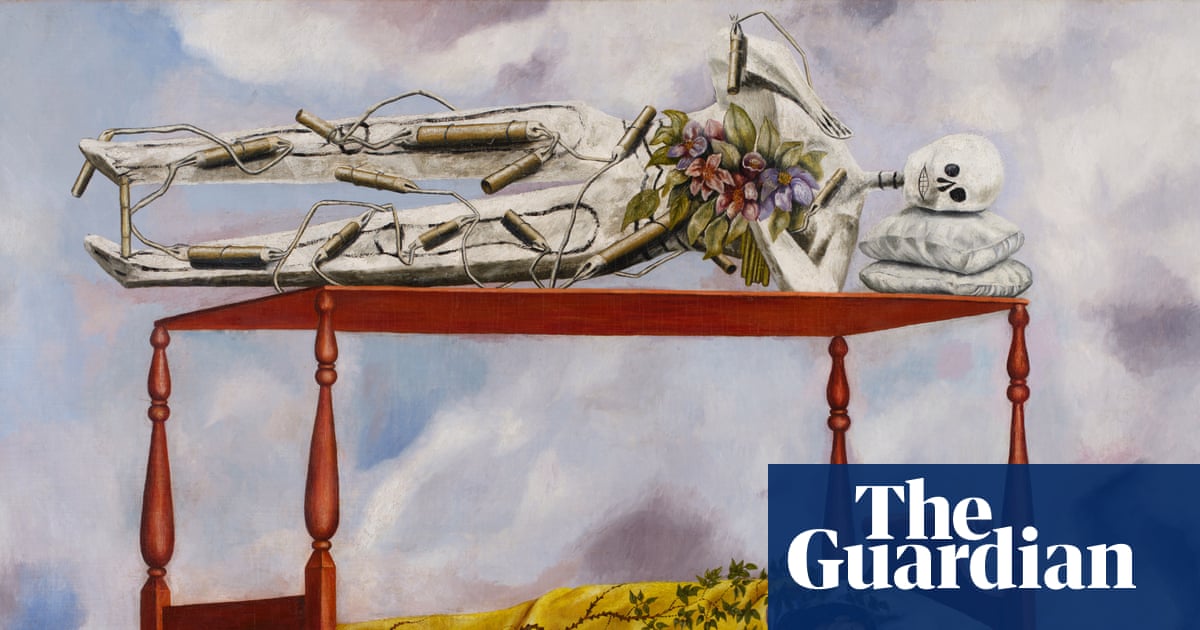
The Shadow Market and Frida Kahlo‘s Legacy: A Growing Crisis
Frida Kahlo’s iconic status has inadvertently fueled a troubling reality: a surge in potential art theft and a murky underground market surrounding her work. The lack of robust examination into missing pieces is deeply concerning, especially given the numerous parties with a vested interest in the illicit trade of Mexican cultural heritage. These include auction houses, collectors, curators, and even elements within law enforcement.
It’s a complex problem where no single entity can operate effectively alone. Both Interpol and self-reliant art market observers face limitations in tackling this issue independently.
A Case of Unanswered Questions
Currently, formal legal accusations substantiating claims of stolen Kahlo works remain absent. Raúl Zorrilla, CEO of the respected Mexico City gallery Kurimanzutto, emphasizes the need to ground discussions in legal frameworks, provenance verification, and established institutional processes – rather than relying on speculation. His gallery notably avoids secondary markets, including those for Kahlo’s pieces, focusing rather on supporting living artists.
Recent auctions demonstrate the continued high value placed on Kahlo’s art. A smaller Kahlo painting, not a self-portrait, sold for $7.2 million at Christie’s in New York this week. While modest compared to other sales, it’s still a substantial sum.
Consider this: in 2021, Kahlo’s 1949 self-portrait, Diego and I, achieved a staggering $34.9 million, more than quadrupling the previous record for a Kahlo sale and setting a new benchmark for Latin American art, surpassing the $9.76 million previously held by a Rivera painting.
The Dangerous Allure of High-Value Art
These blockbuster auctions, while seemingly celebrating Kahlo’s artistry, may inadvertently exacerbate the risk of theft. Noah Charney, a Cambridge University doctoral candidate specializing in art theft history, points out a simple truth: criminals often target works they’ve recently seen publicized as highly valuable.
Furthermore, he suggests a collective subconscious belief that an artist worth stealing must inherently be exceptionally talented. You might not realize it, but this perception fuels demand and, consequently, risk.
A Revolutionary Artist, A complex Market
Kahlo’s early career saw her happily selling works at her 1938 New York exhibition. Throughout her life, she garnered praise from artistic giants like Kandinsky, Miró, and Picasso. The surrealist André Breton famously described her art as “a ribbon around a bomb,” a sentiment she playfully dismissed, referring to her peers as “artistic bitches.”
Kahlo’s work consistently challenged conventions, embracing themes of communism, feminism, hedonism, intimacy, magic, queerness, romance, truth, and trust.She intentionally provoked uncertainty in her audience. Now, decades after her death, the art market is grappling with uncertainties – largely of its own making - surrounding her legacy.
What Does This Mean for You?
If you are a collector, art enthusiast, or simply someone interested in Kahlo’s work, it’s crucial to:
* Demand transparency: Ask detailed questions about provenance when considering a purchase.
* Support Ethical Galleries: Patronize galleries committed to responsible sourcing and legal compliance.
* Be Aware of Red Flags: Be cautious of deals that seem too good to be true or lack proper documentation.
* Stay Informed: Keep abreast of developments in art theft and cultural heritage protection.
Ultimately, protecting Kahlo’s legacy requires a concerted effort from all stakeholders. It’s about ensuring that her art is celebrated for its artistic merit, not exploited for financial gain in a shadowy, unregulated market.
Related reading