
Global labor markets and democratic institutions are facing a period of profound instability as the rise of artificial intelligence, shifting geopolitical alliances, and the concentration of media ownership create new challenges for working-class power. As traditional labor structures struggle to keep pace with these rapid societal changes, many organizers and veteran labor reporters point to a growing disconnect between top-level union leadership and the grassroots realities of the rank-and-file. Addressing these challenges requires a shift toward independent, worker-led institutions that prioritize transparency and direct action over conventional electoral cycles.
The current landscape of labor in the United States and abroad is defined by a paradox: despite a period marked by significant legislative wins and high-profile organizing campaigns, union density has continued to fall. According to data from the U.S. Bureau of Labor Statistics, the union membership rate for wage and salary workers in 2023 remained at 10.0%, a figure that highlights the long-term decline in organized labor despite recent, localized surges in activity at major corporations like Starbucks and Amazon. This gap between the rhetoric of “pro-union” political environments and the material decline in membership has prompted a surge of soul-searching among labor advocates, who argue that relying on top-down political strategies is insufficient to counter the influence of modern oligarchy.
The Shift Toward Grassroots Organizing
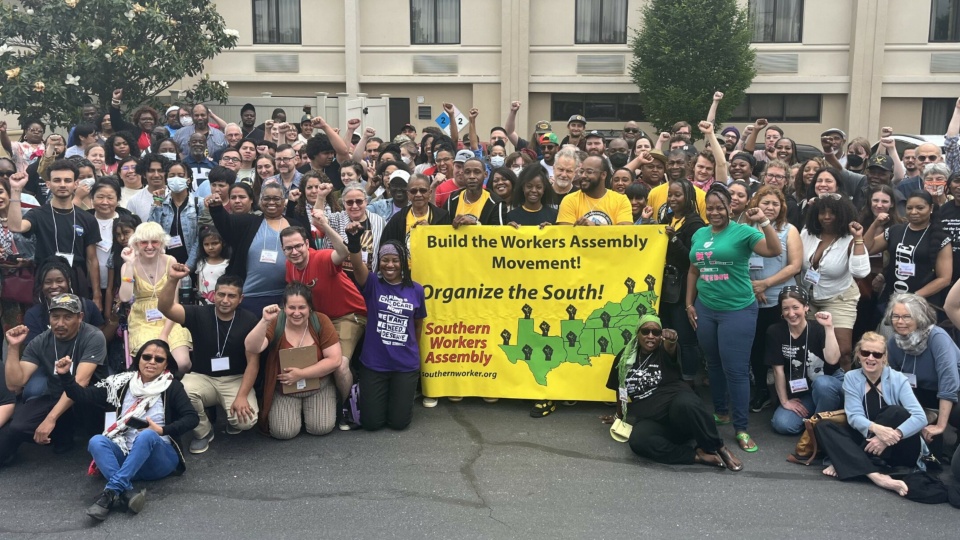
The limitations of traditional, institution-heavy labor strategies have led to a resurgence of interest in alternative models of organizing. From the perspective of labor journalists, the most significant developments are occurring outside of the standard National Labor Relations Board (NLRB) certification process. Solidarity unions and worker centers are increasingly filling the gaps left by larger, more bureaucratic organizations. These groups often focus on “bargaining beyond bread and butter” issues, incorporating community concerns like housing, workplace safety, and environmental justice into their core platforms.
For example, the Union of Southern Surface Workers has gained attention for its work in the South, where it organizes predominantly Black and brown women in the retail and fast-food sectors without seeking traditional NLRB certification. This model emphasizes that worker power does not depend on state-sanctioned recognition, but rather on the ability of workers to build collective capacity and leverage. This grassroots approach mirrors historical labor movements, where the primary objective was the immediate improvement of working conditions through direct action and community solidarity, rather than waiting for legal or legislative approval.
This trend is also visible in the tech sector, where employees at major companies have organized internal pushback against corporate contracts with government agencies like Immigration and Customs Enforcement (ICE) and military entities. These actions demonstrate a shift toward politicized labor, where the definition of a “labor issue” is expanding to include the broader ethical implications of the work itself. When workers recognize their role in the supply chain—whether they are moving cargo through an airport or managing data for a tech giant—they are increasingly using that position to challenge institutional decisions that affect human rights and public health.
The Challenge of Artificial Intelligence
The rapid deployment of artificial intelligence (AI) across almost every industry presents an existential threat to the stability of the modern workforce. While proponents of AI often highlight its potential for efficiency, labor experts warn that its development is currently driven by a profit-maximization model that lacks any built-in safeguards for human employment. The primary concern is not just the replacement of jobs, but the extraction of human labor—in the form of data—to train the very systems that will eventually displace those workers.
This dynamic is particularly evident in the media and creative industries, where AI models have been trained on copyrighted work without the consent or compensation of the original authors. The Writer’s Guild of America (WGA) and other unions have positioned themselves at the forefront of this fight, negotiating contracts that aim to limit the use of AI in creative processes. However, these protections face a constant race against the speed of technological development. As union members have observed, a hard-won contractual provision can be rendered obsolete by a new, unforeseen application of AI, making the fight for regulatory control a permanent, ongoing struggle.
Beyond the creative sector, the physical infrastructure of AI—specifically the construction of massive data centers—has created a complex dynamic for the building trades. Data centers now account for a significant portion of non-residential real estate development in the United States, providing a substantial boom in unionized construction jobs. This creates a difficult tension for labor movements: while these projects provide immediate employment for union members, they often come with environmental and community costs that conflict with the broader goals of labor-aligned movements, such as the fight against toxic waste and environmental degradation in “sacrifice zones.”
Media Ownership and the Future of Independent Journalism
The concentration of media ownership in the hands of a few billionaires has fundamentally altered the information landscape, leaving less room for journalism that prioritizes the interests of the working class. When legacy outlets are purchased by ultra-high-net-worth individuals, the editorial focus often shifts to align with the interests of affluent consumers and corporate advertisers. This hostility toward labor-focused reporting is not new, but it has intensified as the number of full-time, independent labor reporters has dwindled to a fraction of what it once was.

The impact of this consolidation is felt by journalists who find it increasingly difficult to place stories that do not fit the narrow, corporate-approved narratives of mainstream outlets. The struggle to maintain independent institutions is therefore a central pillar of the labor movement itself. Without media outlets that serve as a check on corporate power and provide a platform for worker-led perspectives, the ability of the labor movement to coordinate, share strategies, and hold those in power accountable is severely diminished.
The history of independent media—such as the endurance of outlets that have survived for decades despite chronic underfunding—serves as a testament to the necessity of these institutions. As the “sea ice” of independent media continues to melt, the survival of these platforms remains essential for the survival of the labor movement. The path forward, according to many labor reporters, involves a concerted effort to support and expand these independent institutions, ensuring that the stories of working people remain visible and that the analysis of our political moment is not left entirely to the owners of the platforms that currently dominate public discourse.
The ongoing struggle for labor rights and the protection of democratic norms remains in a state of flux. Future developments, such as upcoming contract negotiations in major industries and the continued evolution of AI-related legislation, will likely serve as the next testing grounds for organized labor. In the meantime, the focus remains on the daily work of organizing, exposing institutional failures, and building the independent media capacity required to sustain these efforts.