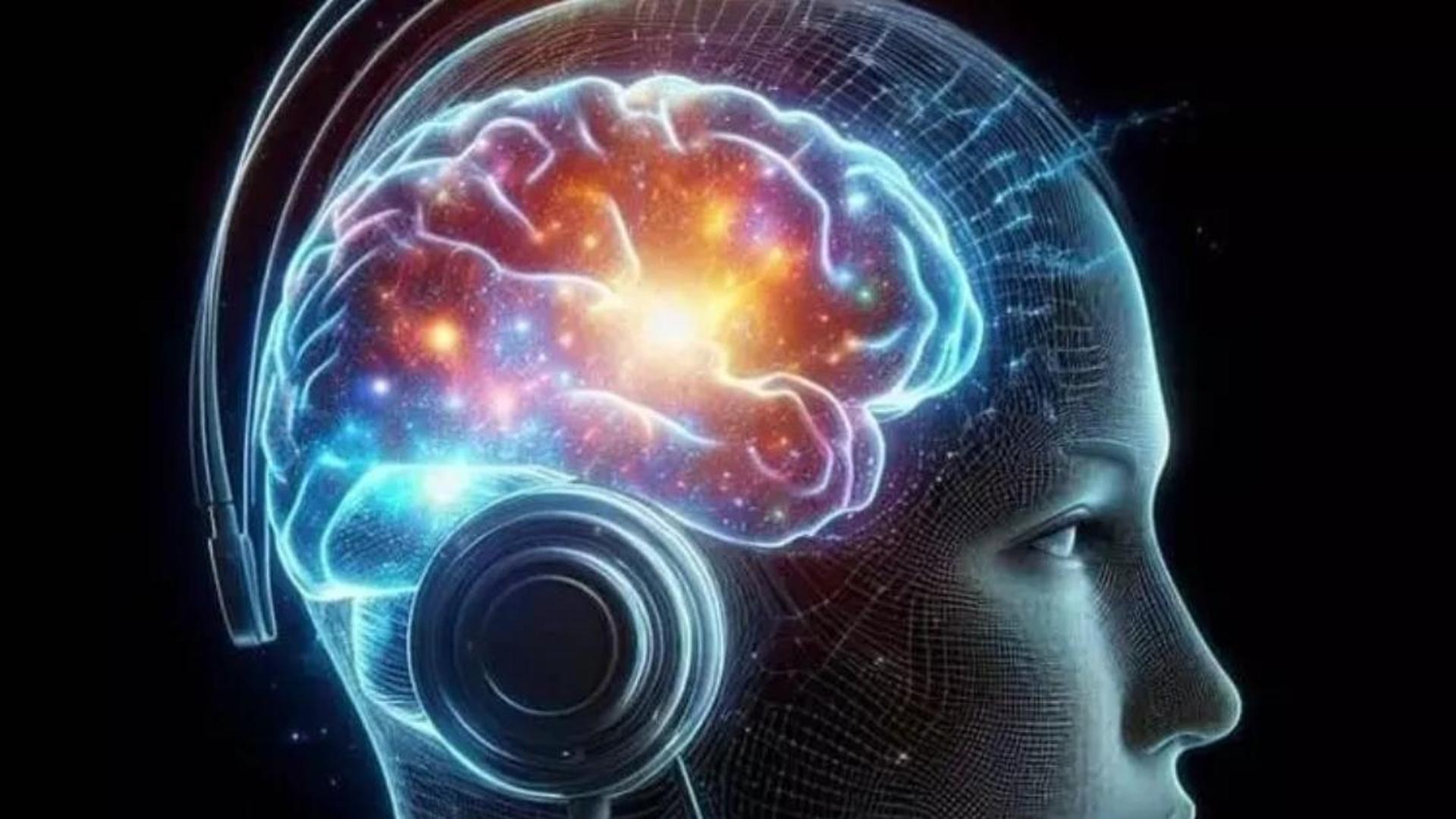
What Happens in the Brain When We Listen to Music?
Few experiences are as universally powerful as music. Whether it’s the soaring crescendo of a symphony, the rhythmic pulse of a drumbeat, or the haunting melody of a favorite song, music has the ability to evoke emotions, trigger memories, and even alter our brain chemistry. But what exactly happens inside our heads when we listen to music? Neuroscientists have spent decades unraveling this mystery, revealing how music engages multiple regions of the brain, influences our mood, and even plays a role in healing neurological conditions. Recent research from leading experts like Laura Ferreri and Carlotta Lega, along with groundbreaking work by the late neurologist Oliver Sacks, offers fascinating insights into the science behind our auditory experiences.
For centuries, philosophers and scientists have speculated about the connection between music and the human mind. The ancient Greek mathematician Pythagoras believed music was a reflection of the cosmic order, a concept known as the “music of the spheres.” Today, modern neuroscience has moved beyond metaphor, using advanced imaging techniques like functional MRI (fMRI) and electroencephalography (EEG) to map how the brain responds to music in real time. These studies show that listening to music isn’t just a passive experience—it’s a dynamic process that activates nearly every part of the brain, from the auditory cortex to the limbic system, which governs emotion and memory.
But music’s impact goes beyond mere enjoyment. Researchers have discovered that music can serve as a powerful therapeutic tool, particularly for patients with neurological disorders. Oliver Sacks, the renowned neurologist and author of Musicophilia: Tales of Music and the Brain, famously described certain neurological conditions as “musical problems,” arguing that music could unlock memories, restore movement, and even aid patients with Parkinson’s disease or Alzheimer’s regain a sense of self. His work has inspired a growing field of music therapy, where clinicians use rhythm, melody, and harmony to treat a wide range of conditions, from stroke recovery to depression.
The Neuroscience of Music: How the Brain Processes Sound
When we listen to music, our brains don’t just passively receive sound—they actively construct meaning from it. The process begins in the auditory cortex, located in the temporal lobe, which processes the basic elements of sound, such as pitch, rhythm, and timbre. But music’s effects extend far beyond this initial stage. Studies using fMRI scans have shown that listening to music engages a vast network of brain regions, including:
- The prefrontal cortex: Responsible for decision-making and emotional regulation, this area helps us interpret the emotional content of music, such as whether a piece is happy, sad, or tense.
- The limbic system (including the amygdala and hippocampus): This network is crucial for processing emotions and forming memories. Music can trigger vivid recollections, a phenomenon known as the “reminiscence bump,” where songs from our adolescence or early adulthood evoke particularly strong memories.
- The motor cortex and cerebellum: Even when we’re not moving, music can activate the parts of the brain responsible for movement. Here’s why we often tap our feet or nod our heads to a beat, and why music therapy is so effective for patients with motor impairments, such as those recovering from a stroke.
- The nucleus accumbens and ventral tegmental area: These regions are part of the brain’s reward system, releasing dopamine—a neurotransmitter associated with pleasure and motivation—when we hear music we enjoy. This is why certain songs can give us chills or a sense of euphoria.
Laura Ferreri, a cognitive neuroscientist at the University of Lyon in France, has conducted extensive research on how music affects memory and learning. In a 2020 study published in the journal Nature Communications, Ferreri and her team found that listening to background music while performing a task can enhance memory retention, particularly for older adults. The study suggested that music may act as a “cognitive scaffold,” helping the brain organize and retrieve information more efficiently. Ferreri’s work builds on earlier findings that music can improve cognitive function in patients with Alzheimer’s disease, where familiar songs often unlock memories that would otherwise remain inaccessible.
Carlotta Lega, a neuroscientist at the University of Milan, has explored how music influences the brain’s plasticity—the ability to reorganize itself in response to new experiences. In a 2023 study published in Frontiers in Neuroscience, Lega and her colleagues used EEG to measure brain activity in musicians and non-musicians while they listened to complex musical pieces. The results showed that musicians exhibited stronger synchronization between different brain regions, suggesting that musical training enhances the brain’s ability to process and integrate information. Lega’s research underscores the idea that music isn’t just a passive experience—it actively shapes the brain’s structure and function over time.
Music as Medicine: How Rhythm and Melody Heal the Brain
One of the most compelling areas of research in music neuroscience is its therapeutic potential. Oliver Sacks, who passed away in 2015, was a pioneer in this field, documenting how music could restore function in patients with severe neurological disorders. In Musicophilia, Sacks described cases where music helped patients with Parkinson’s disease regain the ability to walk, or those with aphasia (a language disorder caused by brain damage) sing words they couldn’t speak. His observations laid the groundwork for modern music therapy, which is now used in hospitals, rehabilitation centers, and nursing homes around the world.
One of the most striking examples of music’s therapeutic power is its effect on patients with Alzheimer’s disease. According to the Alzheimer’s Association, music can help reduce agitation, improve mood, and even temporarily restore cognitive function in some patients. A 2018 study published in the Journal of Alzheimer’s Disease found that listening to familiar music activated the default mode network—a set of brain regions involved in self-referential thought and memory—even in patients with advanced dementia. The study’s lead author, Dr. Janata Petr of the University of California, Davis, noted that music “can serve as a bridge to the past,” allowing patients to reconnect with lost memories and emotions.
Music therapy is also being used to treat depression, anxiety, and post-traumatic stress disorder (PTSD). A 2021 meta-analysis published in JAMA Network Open reviewed 47 studies involving over 3,500 participants and found that music interventions significantly reduced symptoms of depression and anxiety. The analysis suggested that both active music-making (such as playing an instrument or singing) and passive listening could be effective, though the benefits were most pronounced when participants engaged with music in a structured, therapeutic setting.
For patients recovering from stroke, music therapy can be particularly transformative. A 2020 study published in Stroke, the journal of the American Stroke Association, found that rhythmic auditory stimulation (RAS)—a technique that uses metronome-like beats to guide movement—helped stroke survivors improve their gait and balance. The study’s authors, led by Dr. Michael Thaut of the University of Toronto, explained that music’s rhythmic structure provides a “temporal scaffold” that helps the brain reorganize motor pathways damaged by stroke. This approach has been so successful that it’s now a standard part of rehabilitation programs in many hospitals.
Why Some Music Gives Us Chills—and What It Means for Our Brains
Have you ever listened to a piece of music and felt a shiver run down your spine, or goosebumps rise on your arms? This phenomenon, known as “musical chills” or “frisson,” is one of the most intriguing aspects of how the brain responds to music. Neuroscientists have long been fascinated by why certain songs or passages trigger this intense physical reaction, and recent research has begun to uncover the mechanisms behind it.
A 2019 study published in Social Cognitive and Affective Neuroscience used fMRI scans to investigate what happens in the brain during musical chills. The researchers found that chills were associated with increased activity in the nucleus accumbens, a region linked to reward and pleasure, as well as the anterior insula, which is involved in emotional processing. The study also found that people who experience chills more frequently tend to have higher levels of “openness to experience,” a personality trait associated with creativity and emotional sensitivity.
But why do some people experience chills while others don’t? The answer may lie in the way our brains predict and respond to musical patterns. A 2022 study published in Proceedings of the National Academy of Sciences (PNAS) found that chills are more likely to occur when a piece of music violates our expectations in a pleasurable way—such as an unexpected harmony, a sudden dynamic shift, or a delayed resolution. The study’s lead author, Dr. Psyche Loui of Northeastern University, explained that “the brain is constantly making predictions about what will happen next in music, and when those predictions are violated in a way that’s surprising but not jarring, it triggers a reward response.”
This predictive processing may also explain why certain types of music are more likely to induce chills. Classical music, film scores, and even some pop songs are often structured to build tension and release it in a satisfying way, which can trigger the brain’s reward system. Though, the experience of chills is highly subjective—what moves one person to tears may abandon another completely unmoved. This variability suggests that our emotional responses to music are shaped by a combination of biological, psychological, and cultural factors.
The Future of Music and the Brain: Where Research Is Headed
As our understanding of the brain’s response to music grows, so too do the potential applications of this research. Scientists are now exploring how music can be used to enhance cognitive function, improve mental health, and even treat neurological disorders in new ways. Here are some of the most promising areas of research:
- Music and Neuroplasticity: Researchers are investigating how musical training can reshape the brain, particularly in children and older adults. A 2023 study published in Nature Human Behaviour found that learning to play an instrument in childhood can lead to long-lasting changes in brain structure, including increased gray matter in regions associated with hearing, movement, and memory. These changes may help protect against age-related cognitive decline.
- Personalized Music Therapy: With advances in artificial intelligence and machine learning, scientists are developing algorithms that can create personalized music playlists tailored to an individual’s brain activity. A 2024 study published in Scientific Reports demonstrated that AI-generated music could reduce anxiety in patients undergoing medical procedures by synchronizing with their brainwaves in real time.
- Music and Social Connection: Music has long been a tool for bringing people together, and researchers are now studying how it can be used to foster social bonds, particularly in isolated or marginalized communities. A 2023 study published in PLOS ONE found that group singing improved social cohesion and reduced feelings of loneliness among older adults in care homes.
- Music and Pain Management: Hospitals are increasingly using music to help patients manage pain and reduce the demand for medication. A 2022 study published in The Lancet found that listening to music before, during, and after surgery reduced patients’ pain levels and anxiety, leading to faster recovery times. The study’s authors suggested that music could be a low-cost, non-invasive alternative to traditional pain management techniques.
Key Takeaways: What Music Does to Your Brain
Music is far more than just a form of entertainment—it’s a complex neurological experience that engages nearly every part of the brain. Here’s what we know so far about how music affects us:

- Music activates multiple brain regions: Listening to music engages the auditory cortex, limbic system, motor cortex, and reward pathways, creating a full-brain experience.
- It can improve memory and cognition: Studies show that music enhances memory retention, particularly in older adults, and can help patients with Alzheimer’s disease recall lost memories.
- Music has therapeutic benefits: From stroke recovery to depression treatment, music therapy is being used to heal the brain in ways that traditional medicine cannot.
- Musical chills are a reward response: The brain releases dopamine when we hear music that violates our expectations in a pleasurable way, leading to physical reactions like chills or goosebumps.
- Music shapes the brain over time: Learning to play an instrument can lead to long-lasting changes in brain structure, improving cognitive function and protecting against age-related decline.
- It fosters social connection: Group music-making, such as singing or playing in a band, strengthens social bonds and reduces feelings of loneliness.
What’s Next in Music Neuroscience?
The field of music neuroscience is rapidly evolving, with new discoveries emerging every year. In the coming months, researchers are expected to publish findings on how music affects the brain in real-world settings, such as during exercise or while studying. Clinical trials are underway to explore the use of music therapy for conditions like Parkinson’s disease, autism, and chronic pain. As technology advances, we may soon spot personalized music interventions tailored to an individual’s unique brain activity, offering new hope for patients with neurological disorders.
For now, one thing is clear: music is a fundamental part of what it means to be human. Whether we’re listening to a favorite song, playing an instrument, or simply humming a tune, we’re engaging in an activity that has shaped our brains, our emotions, and our cultures for millennia. The next time you feel a chill run down your spine or find yourself tapping your foot to a beat, remember—your brain is doing something extraordinary.
What’s your favorite piece of music, and how does it make you feel? Share your thoughts in the comments below, and don’t forget to share this article with fellow music lovers!