
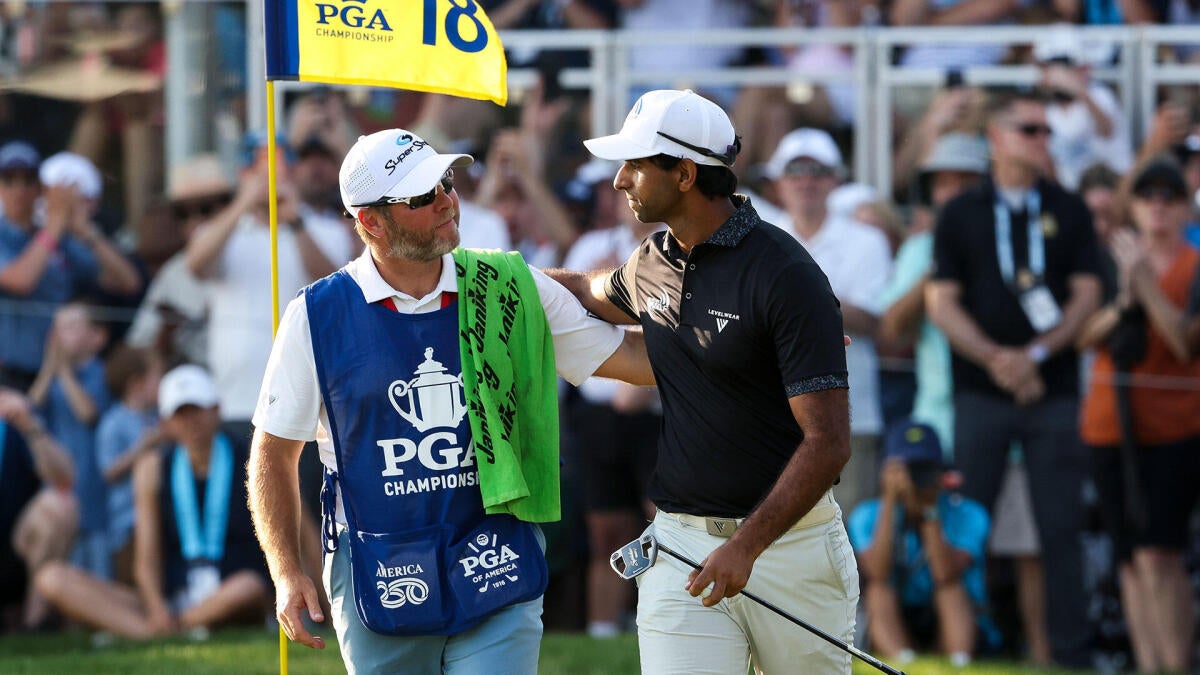
Aaron Rai’s Unseen Work: How Years of Solitude Forged a PGA Champion
In the quiet hours before dawn, while the world slept, Aaron Rai was sharpening his craft. The English golfer’s path to PGA Championship glory in May 2026 wasn’t paved with flashy tournaments or media frenzies—it was built in the shadows, through relentless practice and strategic preparation. His victory at Oakmont Country Club wasn’t just a triumph of skill; it was the culmination of years spent refining his game when no one was watching.
Rai’s story is one of quiet determination in an era of social media dominance and instant gratification. While peers chased headlines and sponsorships, he focused on the fundamentals: perfecting his putting stroke, mastering course management and developing the mental resilience needed to thrive under pressure. The result? A four-stroke victory that stunned the golfing world and cemented his place among the sport’s elite.
This isn’t just a story about winning a major championship. It’s about the power of unseen work—the kind that happens when the cameras stop rolling and the scorecards aren’t being watched. Rai’s journey offers valuable lessons for athletes at every level about the importance of consistency, patience, and the willingness to do the hard work when no one is looking.
The Making of a Champion: Years in the Shadows
Aaron Rai’s road to Oakmont began long before his name appeared in tournament leaderboards. While many golfers chase immediate success through high-profile events, Rai adopted a different strategy: he focused on mastering his craft through consistent, high-quality practice sessions. According to interviews conducted in the weeks following his victory, Rai spent years refining his short game—a decision that paid dividends when it mattered most.
The Englishman’s approach was methodical. He worked with multiple coaches to analyze his swing mechanics, spent hours on the practice green perfecting his putting, and developed a pre-shot routine that became second nature. His dedication to the fundamentals became his competitive advantage, particularly in the high-pressure moments of major championships.
What made Rai’s preparation unique was his willingness to step back from the spotlight after major tournaments. While other players might seek immediate redemption in the next event, Rai would often take time to reflect, analyze his performance, and make adjustments to his training regimen. This strategic approach allowed him to avoid burnout while maintaining peak performance levels.
Key Training Principles Behind Rai’s Success
What Set Rai Apart in His Preparation:
- Short Game Mastery: Rai dedicated disproportionate time to chipping and putting, recognizing these skills as differentiators in tight major championship finishes.
- Mental Conditioning: He incorporated sports psychology techniques to develop resilience under pressure, particularly in clutch moments.
- Strategic Recovery: Unlike many competitors who chase immediate results, Rai used post-tournament periods to recharge and refine his approach.
- Course Familiarization: He studied Oakmont’s unique layout extensively, including its famous bunkers and undulating greens, before the tournament.
- Equipment Optimization: Rai worked closely with his caddie and equipment team to fine-tune his clubs for different course conditions.
- Nutritional Discipline: He maintained a strict diet and sleep regimen, recognizing these as crucial components of peak performance.
The Turning Point: Oakmont 2026
The 2026 PGA Championship at Oakmont Country Club became the stage where Rai’s years of preparation met the moment. The tournament, known for its challenging layout and high-pressure atmosphere, provided the perfect proving ground for his meticulous training. Rai’s victory wasn’t just about skill—it was about execution under immense pressure.
The final round at Oakmont will be remembered for Rai’s iconic 70-foot birdie putt on the 17th hole. What many spectators didn’t see were the months of practice that made that putt possible. Rai had spent countless hours working on his lag putting, particularly on undulating greens similar to Oakmont’s. His ability to read subtle breaks and maintain composure in high-pressure situations gave him the edge when it mattered most.
The victory wasn’t without controversy. Rai’s win came amid discussions about the state of modern golf, where younger players often dominate through power and social media presence. Rai’s success proved that traditional skills—precision, patience, and course management—still hold immense value in the professional game.
How Rai’s Victory Redefined Modern Golf
Rai’s championship has sparked conversations about the future of golf. His victory suggests that the sport’s evolution isn’t just about power and technology—it’s also about the fundamental skills that have always defined great players. The success of golfers like Rai and others who focus on precision over distance has led to renewed interest in the technical aspects of the game.
For younger players watching, Rai’s story serves as a blueprint for sustainable success. Rather than chasing immediate fame, his approach demonstrates the value of consistent, high-quality work over time. The PGA Championship win wasn’t an accident—it was the result of years spent perfecting the details that most players overlook.
Lessons from the Shadows: What Rai’s Journey Means for Athletes
Aaron Rai’s path to victory offers valuable insights for athletes across all sports. In an era where instant success is often glorified, his story reminds us of the power of quiet, consistent effort. Here are some key lessons from Rai’s journey:
- Master the Fundamentals: Rai’s success was built on perfecting the basics—his putting stroke, pre-shot routine, and course management. These are the skills that separate good players from great ones.
- Embrace Strategic Rest: Unlike many athletes who chase constant competition, Rai used periods of rest to reflect and refine his approach. This strategic recovery helped maintain his peak performance.
- Develop Mental Resilience: The ability to stay composed under pressure is what often decides close competitions. Rai’s mental conditioning gave him the edge in crucial moments.
- Study Your Competition—and the Course: Rai’s extensive preparation for Oakmont’s unique challenges gave him a tactical advantage that many competitors overlooked.
- Stay Humble in the Shadows: While others sought media attention, Rai focused on improvement. This humility allowed him to avoid the pitfalls of early success.
What’s Next for Aaron Rai?
With his PGA Championship victory under his belt, Aaron Rai now faces new challenges and opportunities. The golfing world will be watching to see how he builds on this success, particularly as he prepares for the upcoming US Open and The Open Championship. Rai has indicated that he plans to maintain his disciplined approach, focusing on continuous improvement rather than chasing immediate results.

For fans and aspiring athletes, Rai’s story serves as inspiration. His victory proves that greatness isn’t achieved overnight—it’s the result of years of unseen work, strategic thinking, and an unwavering commitment to excellence. As Rai prepares for his next challenges, his journey reminds us all that the most valuable work often happens when no one is watching.
What lessons from Aaron Rai’s journey will you apply to your own pursuits? Share your thoughts in the comments below, and don’t forget to follow World Today Journal for more in-depth sports coverage and athlete profiles.
Key Takeaways from Aaron Rai’s PGA Championship Victory:
- The power of quiet, consistent preparation often leads to the most impressive achievements.
- Fundamental skills like putting and course management remain crucial in modern golf.
- Strategic rest and reflection can be as important as intense training periods.
- Mental resilience is the differentiator in high-pressure championship moments.
- Success in sports—and life—is built on years of unseen work, not just highlight moments.