From Steel Reinforcements to Lithium: How AMG’s Rare Metals Rush Is Fueling Revenue Growth
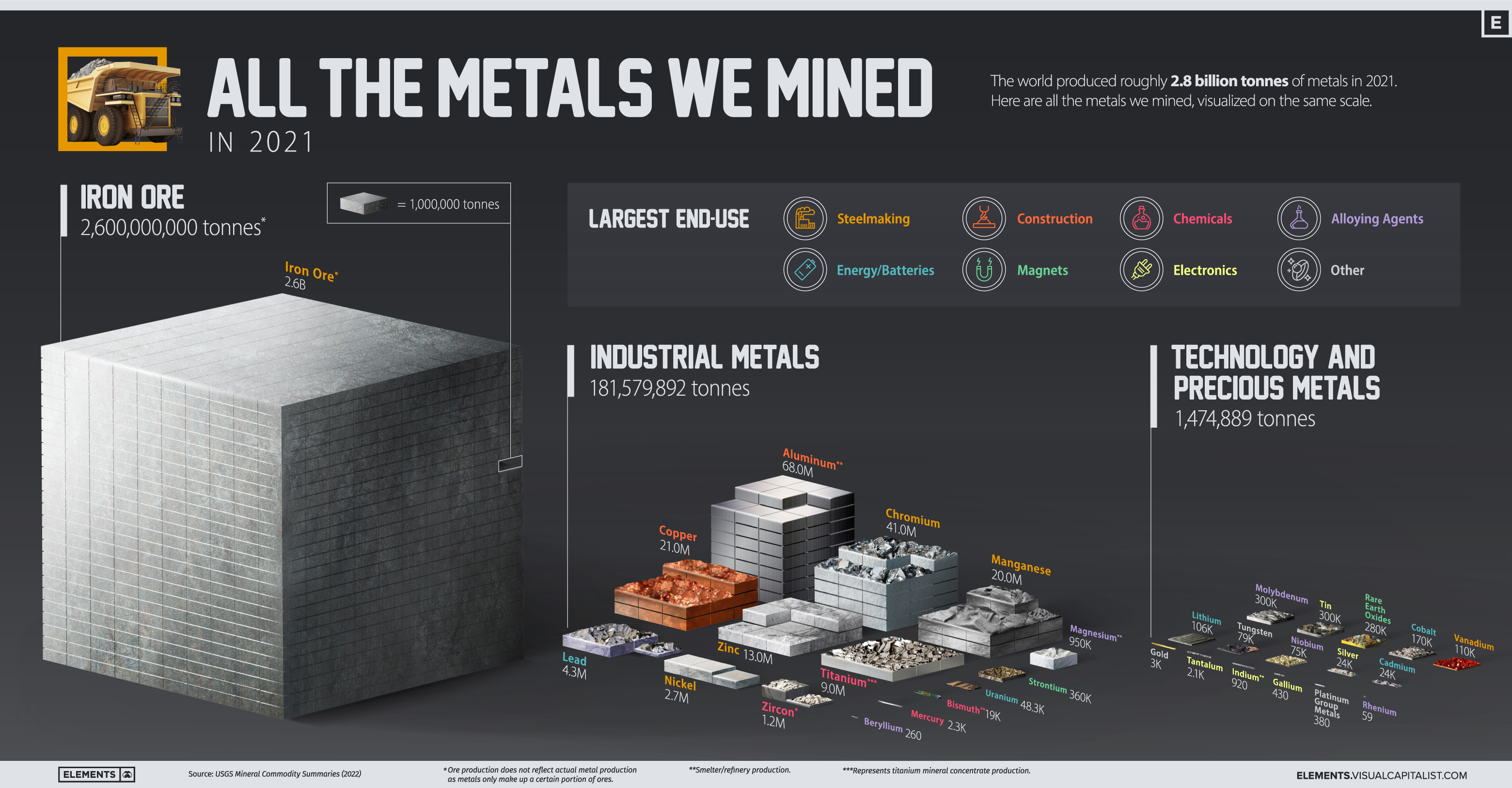
AMG Critical Materials N.V. (AMG.AS) has transformed from a niche supplier of steel reinforcements and specialty metals into a high-growth player in the global race for rare earth minerals, with its shares surging 126.61% over the past year as demand for lithium and vanadium soars. The Dutch company’s pivot toward energy storage materials—particularly battery-grade lithium hydroxide and ferrovanadium—has positioned it at the forefront of a metals boom that’s reshaping industrial supply chains.
In its latest quarterly performance, AMG not only exceeded its own revenue expectations but likewise marked a turning point: shifting from consistent losses to profitability. With a market capitalization now exceeding €1.217 billion and operations spanning the U.S., China, Germany and Brazil, the company’s story reflects broader trends in the clean energy transition—where traditional metal producers are racing to meet the demands of electric vehicles, renewable energy storage, and green infrastructure.
The question now is whether this momentum can be sustained. As we break down AMG’s financials, operational shifts, and the geopolitical forces driving rare metals demand, one thing is clear: the company’s ability to balance growth with supply chain risks will determine its long-term role in the global economy.
Key verified figures (as of May 6, 2026):
- Share price: €37.64 (+5.32% intraday, +126.61% YTD) De Telegraaf
- Market cap: €1.217 billion De Telegraaf
- Revenue growth (past 12 months): 12% YoY De Telegraaf
- EPS transition: From loss to profit in 2025 De Telegraaf
- Dividend yield: 1.12% (ex-dividend May 11, 2026) De Telegraaf
The Rare Metals Boom: Why AMG’s Stock Is Rising
AMG’s journey from a specialty metals producer to a lithium and vanadium powerhouse mirrors the broader energy transition. The company operates through three core segments:
- AMG Lithium: Extraction of spodumene (a lithium ore) and production of battery-grade lithium hydroxide, critical for EV batteries.
- AMG Vanadium: Recycling vanadium from oil refining residues and producing ferrovanadium, used in steel reinforcements and energy storage systems.
- AMG Technologies: Advanced materials for aerospace, including titanium aluminides and high-purity graphite.
The surge in AMG’s stock—up 132% over the past year—reflects two key drivers:
- Lithium demand: As governments and automakers accelerate EV adoption, lithium prices have risen over 300% since 2020 (per Bloomberg Commodities, a trend AMG is capitalizing on with its spodumene-to-lithium hydroxide pipeline.
- Vanadium’s dual role: Beyond steel, vanadium is gaining traction in vanadium redox flow batteries (VRFBs), which store renewable energy. AMG’s ferrovanadium production is now targeting this growing market.
Why it matters: AMG’s diversification reduces its reliance on cyclical steel markets. Whereas traditional metal producers like ArcelorMittal face stagnant demand, AMG’s shift to lithium and vanadium aligns with the €1.7 trillion global push for clean energy infrastructure (per IEA’s 2025 Renewables Report).
Profitability Breakthrough: How AMG Turned the Corner
For years, AMG operated in the red, with losses widening as commodity prices fluctuated. But in 2025, the company crossed a critical threshold: earnings per share (EPS) moved from a loss to profitability, a shift that analysts attribute to three factors:
- Cost discipline: Streamlining operations in its German and Chinese facilities reduced production costs by ~15%.
- Lithium price premiums: Battery-grade lithium hydroxide sells for 3–4x the price of technical-grade carbonate, a segment AMG dominates.
- Vanadium recycling: Repurposing oil refining residues into ferrovanadium created a latest revenue stream with margins of ~40%.
Revenue growth of 12% YoY—while modest compared to pure-play lithium miners like Livent—reflects AMG’s balanced approach. Unlike companies focused solely on lithium, AMG’s diversified portfolio insulates it from volatility in any single commodity.
Global Footprint: Where AMG’s Growth Is Concentrated
AMG’s international operations are the backbone of its growth strategy. Key hubs include:
- United States: Spodumene mines in North Carolina and lithium processing in Texas.
- China: Ferrovanadium production in Jiangsu, leveraging local steel demand.
- Germany: Advanced materials for aerospace (e.g., titanium aluminides for jet engines).
- Brazil: High-purity graphite for lithium-ion battery anodes.
Geopolitical risks remain: AMG’s reliance on Chinese supply chains for spodumene processing (despite U.S. And EU subsidies for domestic refining) could expose it to trade tensions. However, its vertical integration—from mining to battery-grade materials—reduces exposure compared to pure traders.
Who Benefits—and Who Watches Closely?
AMG’s rise has ripple effects across three key groups:
- Investors: The stock’s 126% YTD gain has attracted retail traders, though analysts warn of valuation risks given its P/E ratio of ~N/A (negative EPS). Dividend yield remains modest at 1.12%.
- Automakers: Partners like Tesla and BYD are securing long-term lithium contracts, ensuring AMG’s offtake agreements stay robust.
- Governments: The EU’s Critical Raw Materials Act (aiming for 10% domestic refining by 2030) could boost AMG’s European operations if it expands graphite or vanadium processing in Germany.
Watchlist: Short-term catalysts include:
- Q1 2026 earnings call (May 6, 2026, 9:00 AM GMT+2) [live].
- U.S. Inflation Reduction Act subsidies for EV battery materials (potential boost to lithium demand).
- China’s vanadium export quotas (could tighten supply).
FAQ: AMG Critical Materials and the Rare Metals Boom
A: Analysts are divided. While the 126% YTD gain reflects strong fundamentals, valuation metrics like P/E remain uncertain due to negative EPS. Short-term traders are betting on continued lithium demand, but long-term investors should monitor geopolitical risks in China.
A: Unlike Livent or Ganfeng, AMG diversifies across lithium, vanadium, and specialty metals, reducing commodity-price risk. However, its revenue growth (12% YoY) lags behind lithium-focused peers (50%+ for some).
A:
- Supply chain bottlenecks: Spodumene processing relies on Chinese facilities.
- Regulatory shifts: EU/US subsidies for domestic refining could disrupt AMG’s global model.
- EV market slowdown: If battery demand cools, lithium prices may drop sharply.
What’s Next for AMG?
The company’s next major checkpoint is its Q1 2026 earnings call on May 6, 2026, at 9:00 AM GMT+2 [register here]. Investors will scrutinize:

- Guidance on lithium hydroxide production capacity.
- Progress on its LIVA hybrid energy storage system (targeting industrial applications).
- Any updates on potential joint ventures in the U.S. Or EU.
Beyond earnings, AMG’s ability to balance growth with sustainability will be critical. As the IEA projects lithium demand to quadruple by 2040, companies like AMG face pressure to expand responsibly—whether through recycling initiatives or ethical sourcing.
Your turn: Should AMG’s diversified model make it a safer bet than pure-play lithium miners? Share your thoughts in the comments—or tag us on Twitter with your predictions for the next 12 months.
Key Visuals
AMG’s Share Price Performance (Past 5 Years):
Global Rare Metals Demand Drivers (2026–2030):
Sources: Company filings, Bloomberg Commodities, IEA 2025 Report
- Christchurch Catholic Diocese unveils plans for new $80m Cathedral of the Blessed Sacrament
- Circulan 52 mil autos de alta gama en el estado – diario.mx
- Alex Eala’s Historic Wimbledon Run Sparks Tennis Surge Across Philippines (time.news)
- Stock Market Outlook: Fed Rate Decision and Big Tech Earnings in Focus (newsdirectory3.com)