
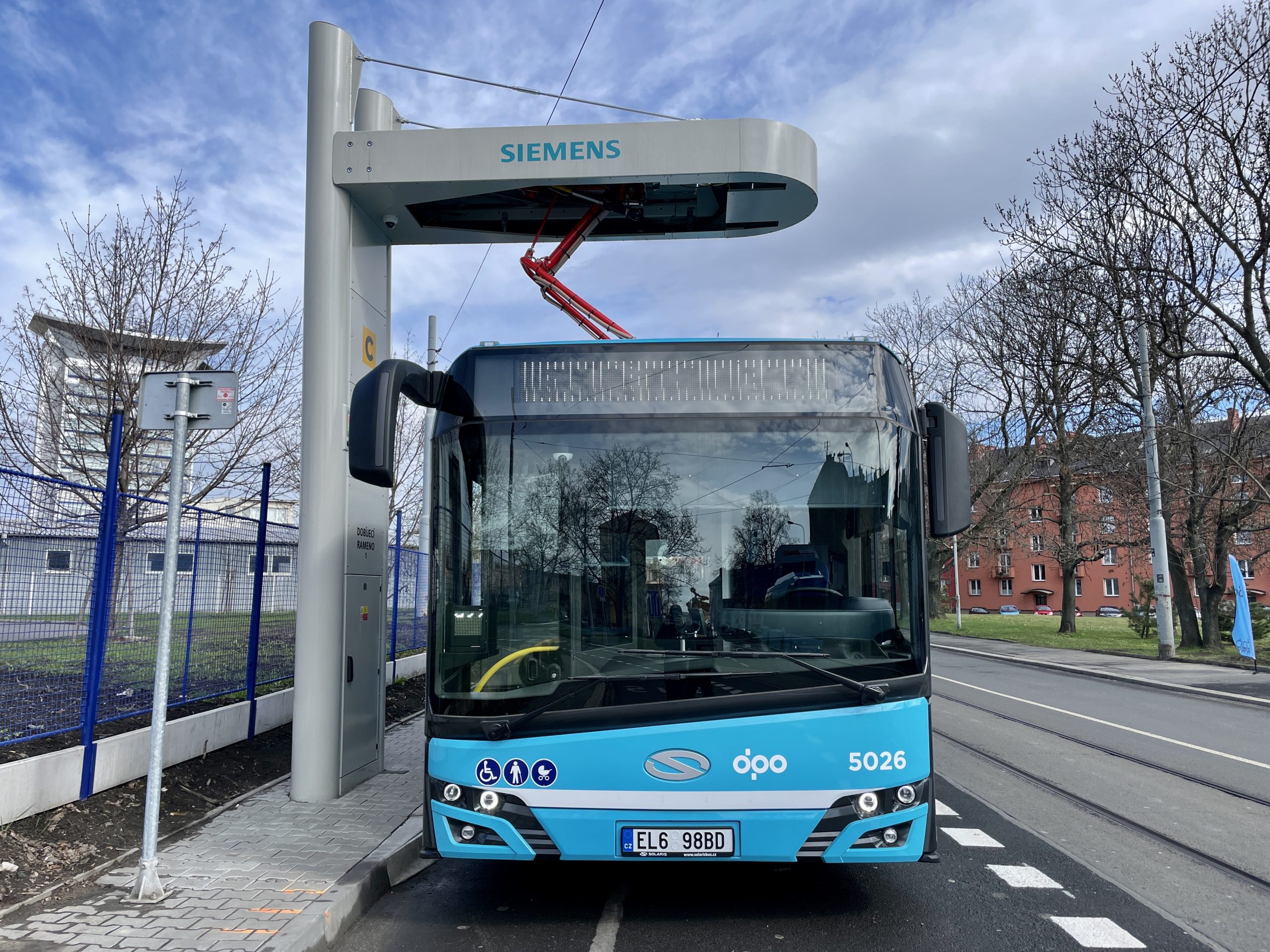
The humble city bus is undergoing a quiet revolution. No longer just a vehicle for moving people from point A to point B, today’s buses are becoming sophisticated technological platforms on wheels. Equipped with sensors, cameras, connectivity systems, and increasingly, artificial intelligence, these vehicles are transforming public transit into a data-rich, responsive network. This shift is not merely about convenience—it’s reshaping how cities manage traffic, ensure safety, reduce emissions, and improve accessibility for millions of daily riders.
Across Europe and beyond, transit agencies are investing heavily in intelligent transportation systems that turn fleets into mobile data hubs. From predictive maintenance powered by machine learning to real-time passenger counting and contactless payment integration, the modern bus is evolving into a node in a broader smart city infrastructure. These changes are driven by both technological advancement and pressing urban challenges: congestion, climate goals, and the demand for more equitable, efficient transit.
One of the most significant developments is the integration of AI-powered video analytics systems aboard buses. These systems can monitor onboard behavior, detect potential safety incidents, and even assist drivers with blind-spot warnings—all while adhering to strict data privacy regulations. In several pilot programs, such technology has already contributed to faster emergency response times and improved route planning based on actual usage patterns.
Another key advancement lies in vehicle-to-everything (V2X) communication, which allows buses to interact with traffic lights, roadside sensors, and other vehicles. This enables priority signaling at intersections—reducing delays and improving schedule reliability—and supports eco-driving algorithms that optimize acceleration and braking to cut fuel consumption. Cities like Helsinki and Hamburg have reported measurable improvements in transit efficiency after deploying such systems.
Electrification is similarly accelerating the tech transformation. Electric buses require sophisticated battery management systems, thermal controls, and charging infrastructure coordination—all of which depend on seamless software integration. As fleets go electric, the bus becomes less a mechanical machine and more a connected energy node, capable of interacting with smart grids and even returning power during peak demand.
How Technology Is Redefining the Role of the Bus
The transformation of buses into technological hubs reflects a broader shift in urban mobility thinking. Rather than viewing transit as a standalone service, cities are beginning to see it as an integrated layer of urban intelligence. Data collected from buses—such as passenger loads, route adherence, and road conditions—can inform city planning, emergency response, and environmental monitoring in real time.
For example, some transit authorities now use aggregated, anonymized data from onboard sensors to identify under-served neighborhoods or detect potholes and road damage as buses travel their routes. This turns every bus into a mobile inspection unit, potentially saving cities millions in infrastructure maintenance costs.
Accessibility features are also being enhanced through technology. Audio-visual stop announcements, powered by GPS and linked to real-time schedules, help visually and hearing-impaired passengers navigate the system more independently. Some agencies are testing AI-driven language translation tools on digital displays to assist tourists and non-native speakers—features that were once considered futuristic but are now being piloted in cities like Barcelona and Singapore.
Cybersecurity, however, has emerged as a critical concern. As buses become more connected, they also become potential targets for cyberattacks. Transit agencies are increasingly working with national cybersecurity bodies to harden vehicle networks, encrypt communications, and establish incident response protocols. The European Union Agency for Cybersecurity (ENISA) has issued specific guidelines for securing intelligent transport systems, emphasizing the need for regular software updates and penetration testing.
Stakeholders and the Path Forward
The shift toward technologically advanced buses affects a wide range of stakeholders. For transit operators, the benefits include lower operational costs through predictive maintenance, improved on-time performance, and better resource allocation. However, the upfront investment in hardware, software, and staff training remains significant—particularly for smaller municipalities with limited budgets.
Manufacturers such as Volvo, Daimler, and BYD are responding by offering modular technology packages that allow agencies to upgrade fleets incrementally. These include over-the-air (OTA) update capabilities, similar to those in consumer electric vehicles, which enable continuous improvement without requiring physical recalls.
Riders, meanwhile, stand to gain from shorter wait times, cleaner rides, and greater reliability. Yet concerns about surveillance and data privacy persist. To address these, many transit agencies are adopting clear data governance policies—limiting retention periods, anonymizing datasets, and holding public consultations before deploying new monitoring technologies.
Looking ahead, the next phase of innovation may involve deeper integration with autonomous driving features. While full autonomy in complex urban environments remains years away, many buses now offer Level 2 automation—such as adaptive cruise control and lane-keeping assist—that reduces driver fatigue and improves safety on highways and dedicated busways.
What Which means for the Future of Public Transit
The evolution of the bus into a technological centerpiece underscores a fundamental truth: public transit is no longer just about moving people—it’s about moving data, enabling sustainability, and enhancing urban resilience. As cities grapple with growing populations and climate pressures, the ability to leverage real-time insights from transit networks will become increasingly valuable.
For journalists, policymakers, and citizens alike, understanding this transformation is key to grasping how modern cities function—and how they might improve. The bus, once seen as a symbol of outdated infrastructure, is now at the forefront of a smarter, more connected urban future.
To stay informed about developments in smart transit technology, readers can follow updates from authoritative sources such as the International Association of Public Transport (UITP) and the European Commission’s Directorate-General for Mobility and Transport.
We invite you to share your thoughts on how technology is changing public transportation in your city. Have you noticed new features on your local buses? What improvements would you like to see? Join the conversation in the comments below and help shape the future of urban mobility.