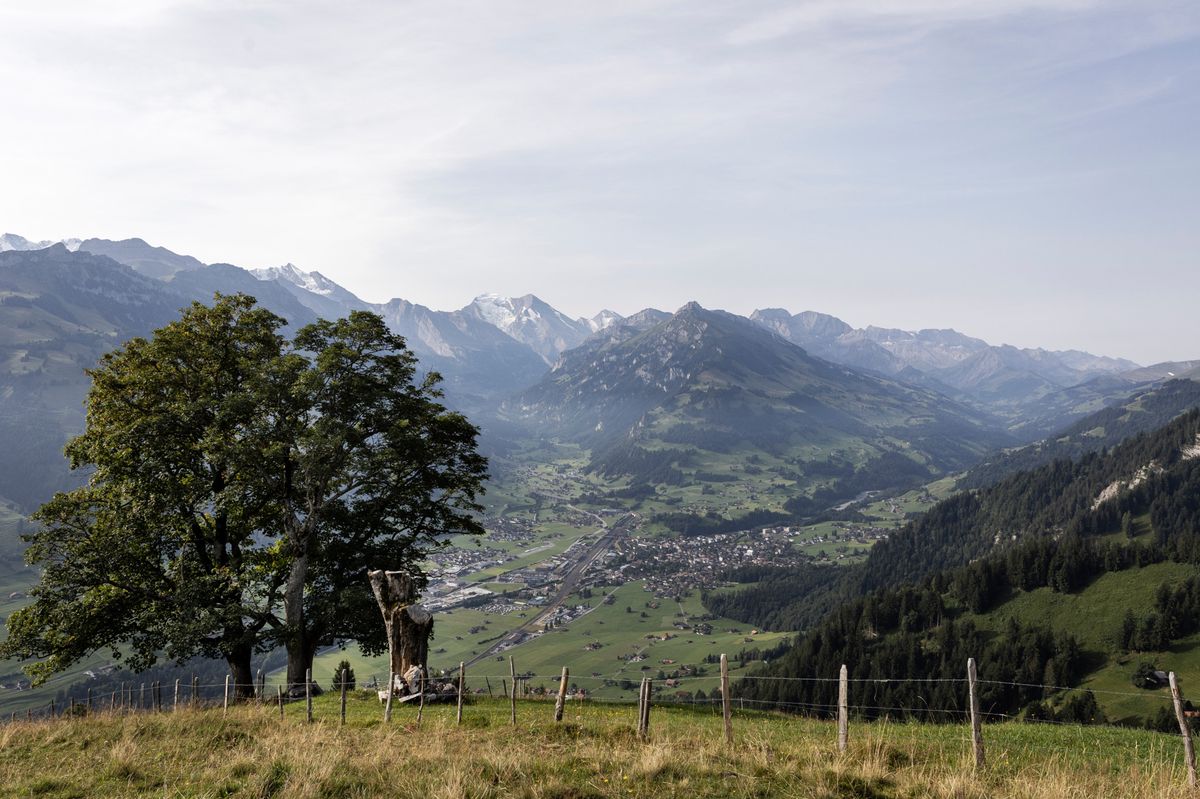
Voters in the Bernese Oberland municipality of Frutigen rejected the proposed financial contribution to the Kunstmuseum Bern expansion project by a significant margin, reflecting broader regional skepticism toward the capital’s cultural investment plans. The decision, finalized during local budgetary deliberations, highlights a growing divide between urban cultural infrastructure goals and the fiscal priorities of outlying districts in the Canton of Bern.
According to official municipal reports, the rejection was driven by concerns regarding the long-term financial burden on taxpayers and a perceived lack of direct benefit for the Oberland region. The Kunstmuseum Bern, which serves as one of Switzerland’s most prominent art institutions, had sought regional participation to support its modernization and expansion efforts, a request that faced organized opposition from local fiscal conservatives and community groups wary of centralizing cantonal resources.
Financial Constraints and Regional Priorities
The core of the opposition in Frutigen centered on the principle of fiscal autonomy. As documented in the Canton of Bern’s administrative records, municipalities often weigh the necessity of external cultural funding against immediate infrastructure needs such as school maintenance, road repairs, and local social services. In Frutigen, local stakeholders argued that a contribution to a museum located in the city of Bern did not align with the economic realities of a mountain community facing its own budgetary pressures.
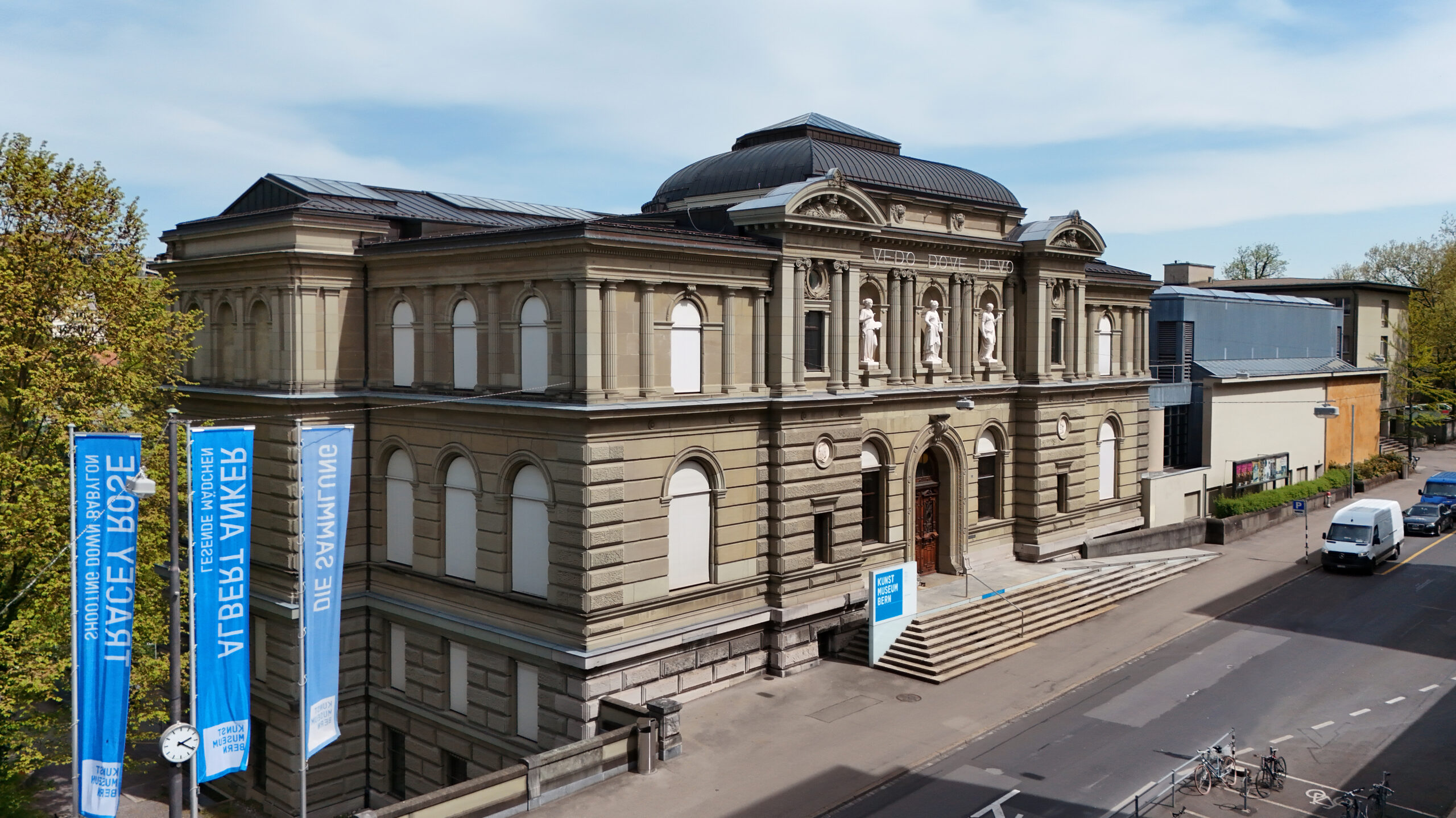
The debate in Frutigen mirrored a wider trend identified by the Swiss Federal Statistical Office, which tracks public spending patterns across cantonal and municipal borders. While the museum argued that its expansion would bolster the cultural standing of the entire canton, opponents characterized the request as an overreach of urban planning into rural fiscal sovereignty. The vote serves as a case study in how decentralized Swiss democracy allows local populations to exert direct control over the allocation of public funds for large-scale institutional projects.
The Impact of Decentralized Decision-Making
The rejection in Frutigen is not an isolated event but rather a component of a larger dialogue regarding the distribution of the “Kantonale Lastenausgleich,” or the cantonal fiscal equalization system. When large cultural institutions seek funding, they must navigate a complex landscape of inter-municipal financial agreements. The Kunstmuseum Bern has historically relied on a mix of private donations, foundation support, and public grants to maintain its operations and execute capital projects.
In this instance, the failure to secure support from Frutigen suggests that the burden of proof for the “regional value” of such projects has increased. Observers note that when public funds are requested, the threshold for approval often requires a clear demonstration of tangible regional economic impact—such as increased tourism or educational partnerships—that goes beyond abstract cultural enrichment. Without these concrete links, local voters have shown an increasing willingness to prioritize the preservation of their local tax base.
What Happens Next for the Expansion Project
The Kunstmuseum Bern must now re-evaluate its financing strategy for the planned expansion. Institutional leadership is expected to seek alternative funding sources, including an increased focus on private philanthropy and potential discussions with the cantonal government regarding revised subsidy models. The next scheduled milestone involves a review of the project’s financial feasibility, which is expected to be presented to the Bernese Office of Culture in the coming months.
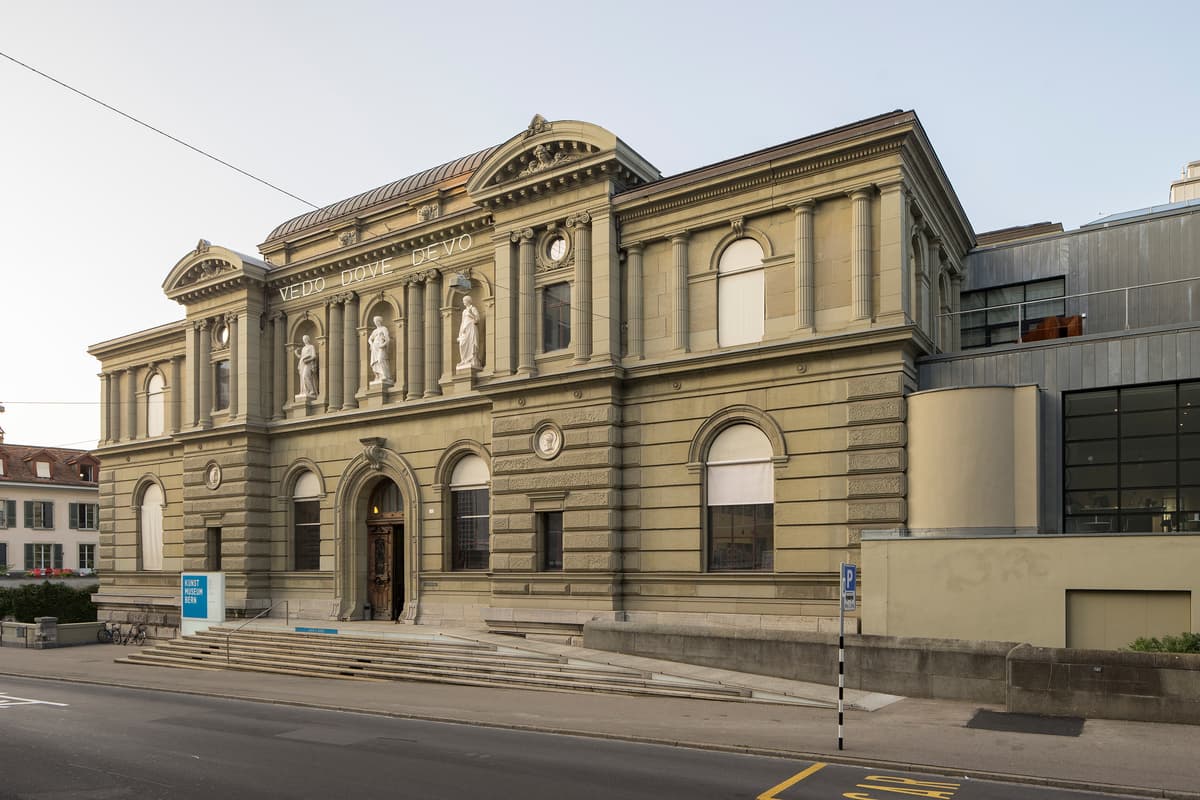
For residents of Frutigen and surrounding municipalities, the vote serves as a clear signal to policymakers that regional participation in urban projects will remain subject to rigorous local scrutiny. The outcome reinforces the importance of transparent communication between central cultural institutions and the diverse communities they aim to serve. As the project moves forward, the focus will likely remain on whether a middle ground can be found that satisfies both the museum’s institutional ambitions and the fiscal caution of the regional electorate.
We welcome your thoughts on the balance between regional fiscal autonomy and support for national cultural institutions. Please join the conversation in the comments section below.
Keep reading