
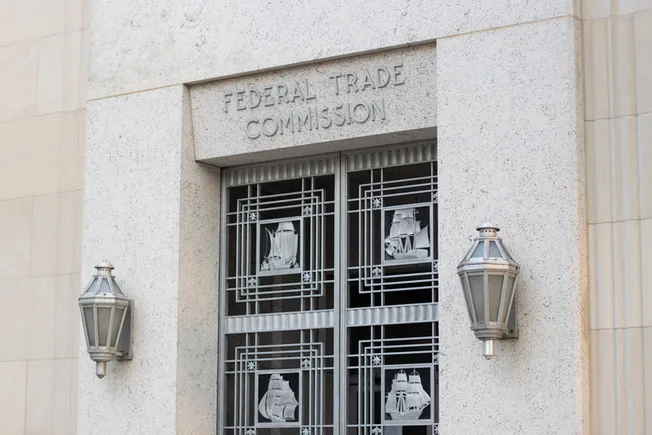
The Federal Trade Commission (FTC) has reached a settlement with US Anesthesia Partners (USAP) over allegations of price collusion and monopolistic practices in the Texas anesthesia market. The agreement resolves claims that the private equity-backed provider used a strategy of acquisitions and exclusionary contracts to dominate local markets, thereby increasing costs for patients and insurers. Even as the settlement brings closure to the enforcement action, USAP does not admit to any wrongdoing as part of the deal.
The FTC’s complaint, filed in 2023, accused USAP of engaging in a pattern of anticompetitive behavior through serial roll-ups of anesthesia practices across Texas. According to the agency, the company bought competing anesthesia groups and then used its market power to refuse contracts with insurers unless they agreed to higher reimbursement rates. This tactic, the FTC alleged, allowed USAP to set prices above competitive levels and exploit its dominance in over 20 Texas markets.
Under the terms of the settlement, USAP is prohibited from entering into certain types of exclusionary contracts with hospitals and surgery centers that would prevent those facilities from contracting with other anesthesia providers. The agreement likewise requires the company to provide prior notice to the FTC before making certain acquisitions in the anesthesia sector, enabling antitrust review. USAP must maintain compliance reporting for a set period to ensure adherence to the decree.
The case highlights growing scrutiny of private equity involvement in healthcare markets, particularly where consolidation can reduce competition and increase prices. Anesthesia services, while often overlooked in broader healthcare discussions, represent a critical component of surgical care, and price increases in this sector can contribute significantly to overall procedure costs. The FTC has signaled that similar enforcement actions may follow in other medical specialties where roll-up strategies are prevalent.
US Anesthesia Partners, which operates in more than 20 states and employs thousands of anesthesiologists and certified registered nurse anesthetists (CRNAs), stated that it remains committed to providing high-quality care and that the settlement does not reflect any admission of liability. The company emphasized that its business practices have always been focused on patient safety and operational efficiency.
Healthcare analysts note that the outcome could influence how private equity firms approach market consolidation in physician services, especially in specialties prone to geographic market concentration. The FTC’s utilize of Section 5 of the Federal Trade Commission Act to challenge unfair methods of competition—rather than relying solely on traditional antitrust statutes—demonstrates an evolving regulatory approach to healthcare consolidation.
As part of the settlement, USAP agreed not to challenge the validity of the consent decree in future proceedings. The agreement will remain in effect for 10 years, subject to potential extension if the FTC determines that compliance has been insufficient. Monitoring reports will be submitted annually to the FTC during this period.
The case underscores the importance of antitrust vigilance in healthcare markets, where consolidation can occur rapidly and quietly, often without triggering pre-merger notification thresholds under the Hart-Scott-Rodino Act. By targeting conduct after the fact, the FTC aims to deter similar strategies in other regions and specialties.
For patients and insurers in Texas, the settlement may help prevent further price increases stemming from exclusionary contracting practices, though it does not require USAP to lower existing rates or provide refunds. The FTC continues to review other healthcare sectors for potential anticompetitive conduct, including dermatology, ophthalmology, and physician staffing agencies.
The consent decree is now pending final approval by the federal court overseeing the case. Once approved, it will become enforceable, and any violation could result in civil penalties. Interested parties can access the full text of the proposed settlement and related documents on the FTC’s official website.
As healthcare costs remain a pressing concern for families and policymakers alike, enforcement actions like this one serve as a reminder that competition policy plays a vital role in safeguarding affordability and access. The FTC has encouraged consumers and businesses to report suspected anticompetitive behavior in healthcare markets through its official channels.
Stay informed about developments in healthcare antitrust enforcement by following updates from the Federal Trade Commission and trusted health policy sources.