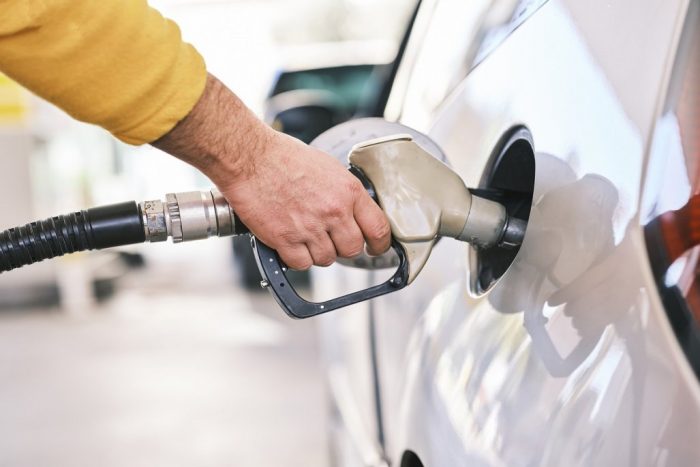
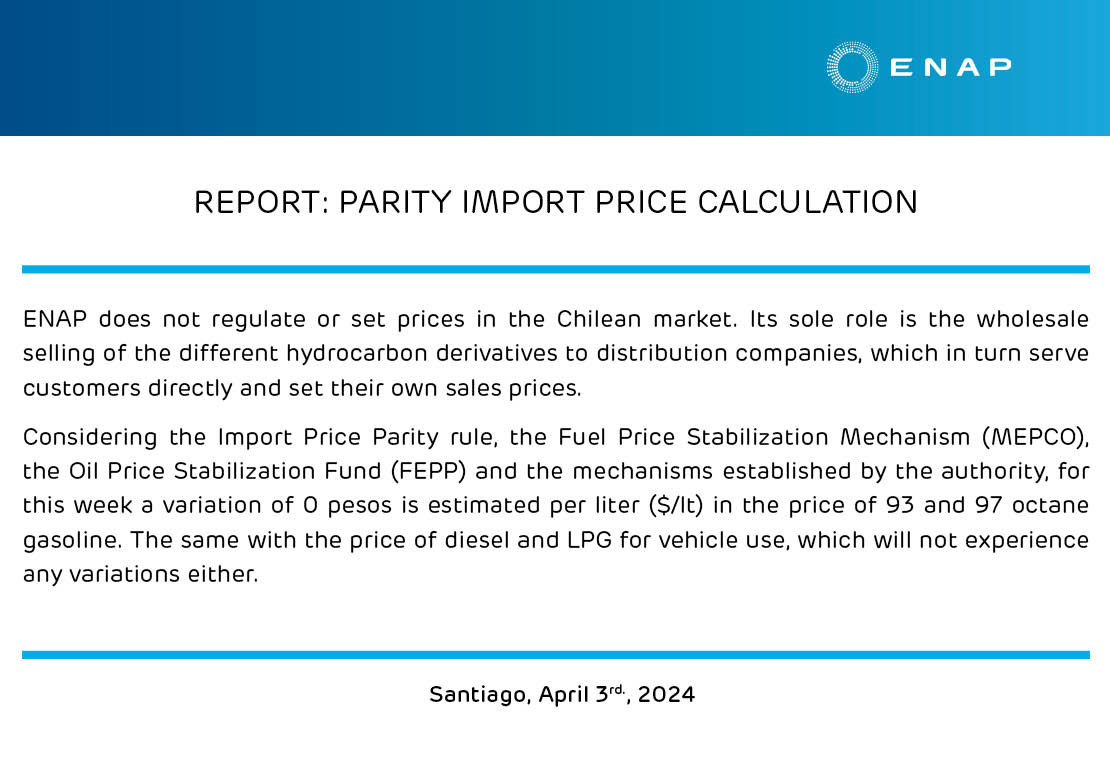
As global energy markets navigate a period of heightened volatility, consumers and industry stakeholders in Chile are closely monitoring the latest price adjustments announced by the Empresa Nacional del Petróleo (ENAP). In its most recent report, the state-owned energy company confirmed a significant downward shift in the price of diesel, contrasted by a stabilization—or “freno”—in the cost of gasoline. For a nation heavily dependent on imported hydrocarbons, these weekly fluctuations serve as a critical barometer for both household budgets and the broader logistics sector.
The latest adjustment, released through the company’s official weekly fuel price report, reflects the complex interplay between international benchmark pricing and the mechanisms designed to mitigate domestic volatility. Understanding these movements requires a look at the broader economic landscape, where global supply chain pressures and the transition toward alternative energy sources continue to reshape how fuel pricing is calculated and perceived by the public.
Understanding the Price Dynamics
The recent reduction in diesel prices carries particular weight for Chile’s transportation and agricultural sectors. Diesel, being the primary fuel for commercial trucking and heavy machinery, functions as a foundational cost component for the distribution of goods across the country. According to data provided by the Central Bank of Chile, energy costs remain a key variable in the nation’s overall inflationary outlook. When diesel prices decline, the potential for a reduction in the “cost of living” ripple effect—specifically regarding food and consumer goods transport—becomes a focal point for economists and policymakers alike.
Conversely, the decision to hold gasoline prices steady suggests a period of relative equilibrium in the international market, specifically regarding the refining margins that ENAP monitors. ENAP acts as a wholesaler. it does not set the final price at the pump. Instead, the company provides technical pricing reports that influence the market, while final costs to the consumer are determined by individual service stations, factoring in transportation costs, margins, and taxes.
The Role of the Mepco Mechanism
Central to any discussion of fuel prices in Chile is the Mechanism for the Stabilization of Petroleum Product Prices (Mepco). This legislative tool was designed to smooth out the sharp spikes and troughs of the international market, preventing sudden, drastic price hikes for the average consumer. As noted in the official legislation governing the fuel price stabilization fund, the mechanism operates by adjusting tax credits or debits depending on whether international prices exceed or fall below certain predetermined bands.
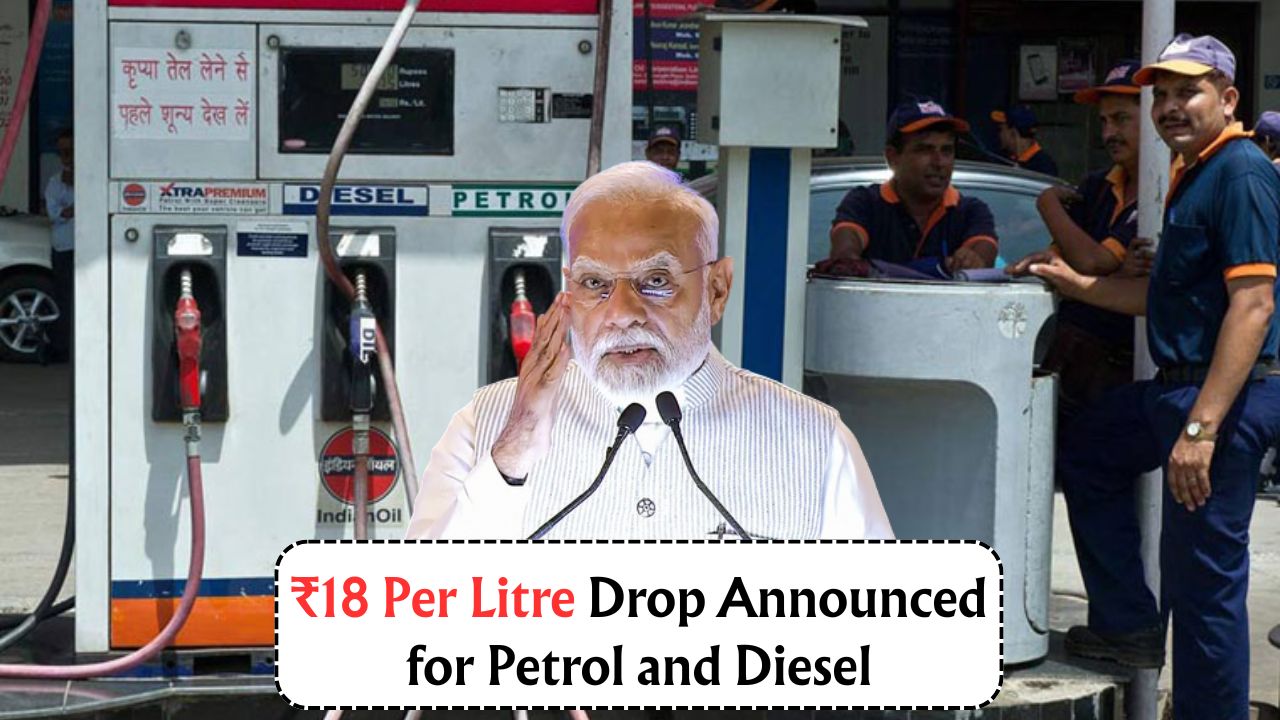
When international benchmarks rise, Mepco effectively subsidizes the price difference, and when they fall, the state recoups those funds. This “cushioning” effect is why consumers may sometimes notice that local pump prices do not immediately mirror the dramatic swings seen in global crude oil markets. It is a balancing act that requires constant oversight by the Ministry of Finance and the Ministry of Energy to ensure that the fund remains sustainable while providing the intended relief to the public.
Key Factors Influencing Current Trends
- Global Crude Benchmarks: The price of WTI (West Texas Intermediate) and Brent crude remains the primary driver of domestic fuel costs.
- Exchange Rate Volatility: Because Chile imports a significant portion of its fuel, the strength of the Chilean Peso against the U.S. Dollar directly impacts the final cost of imports.
- Refinery Output: ENAP’s operational capacity at its refineries, such as Aconcagua and Bío Bío, plays a vital role in meeting domestic demand and managing supply-side pressures.
- Logistics and Distribution: The cost of transporting refined products from ports to service stations across Chile’s diverse geography remains a fixed overhead that influences regional price variations.
What This Means for the Consumer
For the average motorist, the “freno” or stabilization in gasoline prices is a welcome, if modest, relief. After months of fluctuating costs, a period of predictability allows for better household financial planning. However, experts warn that energy markets are inherently susceptible to geopolitical shocks. Events in major oil-producing regions or shifts in OPEC+ production quotas can disrupt supply chains in a matter of days, quickly altering the trajectory of domestic prices.
As we look toward the next reporting cycle, market analysts are keeping a close eye on the Ministry of Energy’s latest policy updates. The government continues to emphasize the importance of energy efficiency and the long-term transition to electromobility as the ultimate solution to insulating the Chilean economy from the volatility of fossil fuel markets. While these structural changes will take years to fully manifest, they remain the cornerstone of the nation’s energy security strategy.
Future Outlook and Official Updates
The next official update regarding fuel prices is scheduled to be released by ENAP in the coming week. These reports are typically published every Thursday. To stay informed, consumers are encouraged to consult the official ENAP corporate website, where they provide the technical breakdown of the price changes and the factors influencing the adjustments. The Comisión Nacional de Energía (CNE) offers a real-time tracking tool, “Bencina en Línea,” which allows users to find the most competitive fuel prices in their immediate vicinity.
As the economic landscape evolves, we will continue to monitor these developments to provide you with the analysis needed to understand the impact on your daily life and the broader economy. We invite you to join the conversation in the comments section below—how have recent fuel price fluctuations impacted your business or household budget? Your insights are a valuable part of our global reporting.
Worth a look