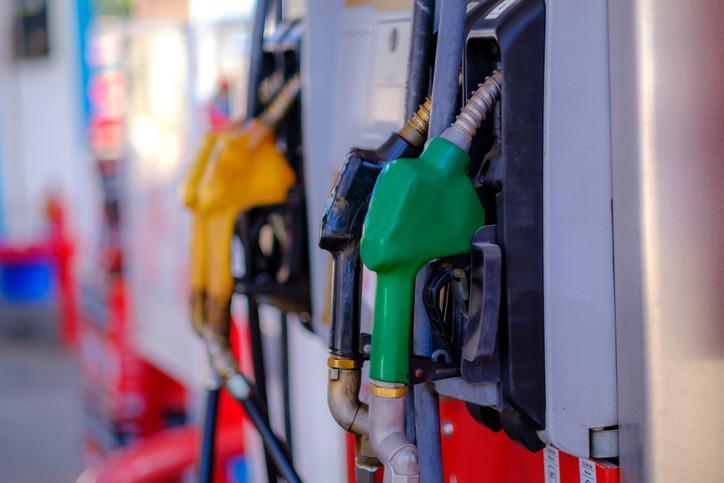
As of Monday, April 27, 2026, fuel prices across Turkey’s major cities are set to increase following confirmed adjustments to gasoline and diesel rates. According to verified reports from multiple authoritative sources, the price changes stem from rising global oil prices driven by ongoing geopolitical tensions in the Middle East, which have continued to exert upward pressure on energy markets.
The adjustments, effective from the start of the day, reflect a dual increase in fuel costs, with diesel (marketed as motorin) seeing a sharper rise than gasoline. Verified data indicates that the price of diesel will increase by 2.28 Turkish Lira per litre, while gasoline will spot a rise of 0.95 Turkish Lira per litre. These figures have been consistently reported across trusted financial and energy monitoring outlets, confirming the scale of the adjustment affecting consumers and businesses nationwide.
In Istanbul, the recent price for a litre of gasoline is expected to reach approximately 63.71 TL on the European side and 62.62 TL on the Asian side. Diesel prices in the city are projected to settle at 69.35 TL on the European side and 69.21 TL on the Asian side. LPG, commonly used for automotive and heating purposes, will be priced at 34.99 TL in Istanbul’s European districts and 34.39 TL in the Asian districts.
Moving to Ankara, the capital city’s fuel prices are slightly higher due to regional distribution factors. Gasoline is expected to sell at 63.73 TL per litre, diesel at 70.47 TL, and LPG at 34.87 TL. In Izmir, located on the Aegean coast, gasoline will be available at 64.01 TL per litre, diesel at 70.75 TL, and LPG at 34.79 TL. These figures represent the updated benchmark rates following the overnight adjustment that took effect early on April 27, 2026.
The price increases are directly linked to the performance of Brent crude oil in international markets. Reports confirm that during the week of April 20–25, 2026, Brent prices reached a peak of 107.48 USD per barrel, with the weekly close on April 20 showing a 16.5% increase from the prior week, settling at 105.33 USD. This surge in crude values has been attributed to heightened concerns over supply stability amid regional instability, prompting energy suppliers to adjust domestic fuel pricing accordingly.
Industry analysts note that such adjustments are typically passed on to consumers within 24 to 48 hours of international price shifts, particularly when sustained over multiple trading days. The current adjustment reflects a continuation of this pattern, with fuel distributors citing increased procurement costs as the primary driver behind the pump price changes.
For motorists and transport operators, the rise translates to higher operating costs, particularly for those reliant on diesel-powered vehicles, which include commercial fleets, public transport, and agricultural machinery. The steeper increase in diesel prices may disproportionately affect logistics and delivery services, potentially influencing broader inflation trends in the coming weeks.
Consumers seeking the most accurate and up-to-date fuel pricing information are advised to consult official updates from fuel station operators or licensed energy monitoring platforms that provide real-time data. While no official government announcement has been issued regarding subsidies or temporary relief measures, market observers continue to monitor policy responses that could mitigate the impact on vulnerable sectors.
As of now, no further changes to fuel pricing have been announced beyond the adjustments taking effect on April 27, 2026. The next scheduled review period for fuel prices will depend on international oil market movements and domestic cost reflections, with updates typically issued in response to sustained shifts in benchmark crude prices or exchange rate fluctuations.
Stay informed about energy market developments by following trusted financial news sources and official energy regulatory updates. Share this information to facilitate others plan for changing fuel costs, and join the conversation by commenting below with your observations on how these adjustments are affecting daily commutes and business operations.
Related reading