
Fujianti Utami, a prominent Indonesian social media personality, has recently drawn significant attention through her presence in Monaco, signaling the expanding footprint of Southeast Asian digital creators in the global luxury travel market. Her travels to the Mediterranean principality highlight a growing trend where high-net-worth influencers from emerging economies are increasingly shaping the visibility and perceived prestige of traditional European luxury destinations.
The movement of prominent digital figures into high-end locales like the French Riviera is more than a matter of personal leisure; it represents a strategic shift in how luxury brands and tourism boards engage with global audiences. As creators from Southeast Asia gain massive followings, their presence in iconic locations serves as a powerful driver for regional tourism and cross-cultural brand alignment.
The Expansion of Southeast Asian Influence in Luxury Markets
The recent visibility of Fujianti Utami in Monaco underscores a broader demographic shift in luxury consumption. For decades, the luxury markets of the Mediterranean were primarily driven by Western and Middle Eastern travelers. However, the rise of the “influencer economy” has introduced a new class of high-spending travelers from Southeast Asia who command immense digital attention.
This shift is characterized by a move from passive consumption to active, content-driven travel. When a creator with a significant following visits a destination like Monaco, they are not merely tourists; they are curators of a lifestyle that their audience seeks to emulate. This creates a feedback loop where luxury destinations become more accessible—and more desirable—to a younger, digitally native demographic in Asia.
Industry analysts have noted that this trend is part of a wider movement in global tourism. The ability of individual personalities to direct the attention of millions of followers toward specific geographic locations has changed the way travel is marketed. Instead of traditional advertising, destinations are increasingly being “discovered” through the lens of authentic, albeit highly curated, social media narratives.
Digital Branding and the “Classy” Aesthetic
The focus on what is described in regional reports as a “classy aura” during these travels points to the importance of personal branding in the digital age. For influencers like Utami, every aspect of a trip—from the choice of location to the visual composition of social media posts—is a component of a carefully maintained professional image.
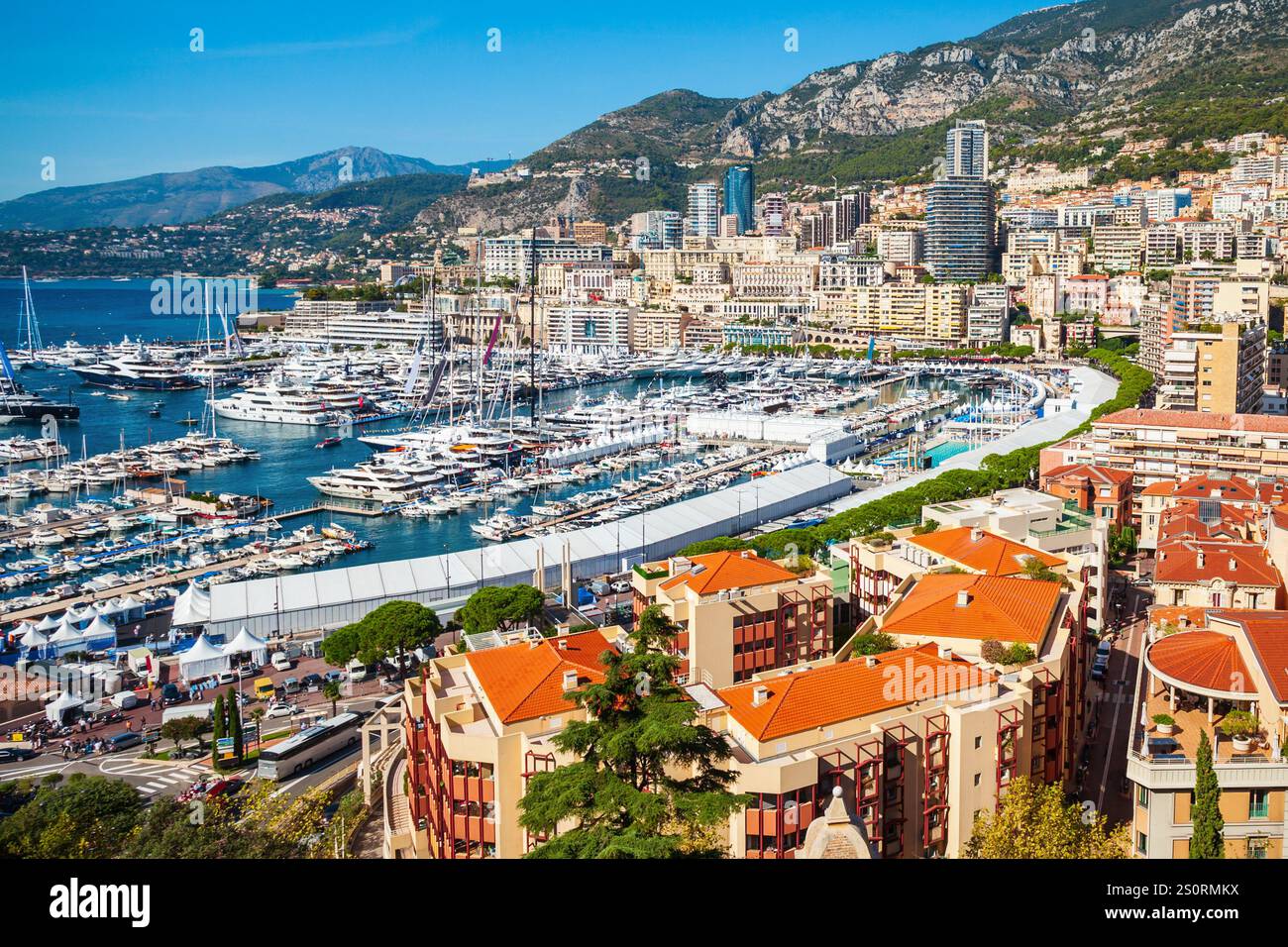
In the context of Monaco, a location synonymous with wealth, exclusivity, and high fashion, the visual narrative of a trip becomes a tool for brand elevation. By aligning themselves with the aesthetics of the French Riviera, creators can transition from local celebrities to global lifestyle icons. This alignment is crucial for securing partnerships with international luxury houses that prioritize visual prestige and high-engagement demographics.
This phenomenon also highlights the intersection of social media and traditional luxury. The “aura” or prestige associated with these locations is no longer just about physical presence; it is about the digital footprint left behind. The ability to capture and share the essence of luxury in real-time has turned travel into a continuous, high-stakes branding exercise.
Economic Implications for Global Tourism Hubs
The presence of Southeast Asian influencers in European luxury hubs carries tangible economic implications. As these creators drive interest, they facilitate a flow of high-spending travelers from the ASEAN region into the European market. This diversification of the tourist base is particularly valuable for destinations that may be seeking to mitigate the volatility of traditional tourism markets.
Furthermore, the economic impact extends beyond direct spending on hotels and dining. The digital visibility generated by these trips acts as a form of decentralized marketing. For luxury retailers and hospitality groups in Monaco, the engagement generated by a single influential visitor can translate into significant brand awareness among a demographic that is increasingly influential in the global economy.
However, this trend also presents challenges for destinations. The sudden influx of interest driven by digital trends can lead to rapid shifts in tourism patterns, requiring local infrastructures and luxury services to remain adaptable to the specific preferences and expectations of a new, digitally-focused clientele.
As the digital landscape continues to evolve, the role of the individual creator in shaping global travel trends will likely only intensify. The movement of figures like Fujianti Utami into the world’s most exclusive enclaves is a clear indicator of a more interconnected and influence-driven global tourism economy.
Observers will be watching to see how luxury brands in the Mediterranean respond to this growing influence and whether this trend leads to more formalized partnerships between European tourism boards and Southeast Asian digital leaders.
What are your thoughts on the impact of social media influencers on global travel trends? Share your perspective in the comments below and share this article with your network.
Keep reading