Could Cheese Be a Brain Booster? Latest Research Links Full-Fat Dairy to Lower Dementia Risk
For decades, dietary guidelines have often cautioned against high-fat foods, including cheese. But a large, long-term study published in December 2025 in the journal Neurology is challenging those assumptions, suggesting that regular consumption of full-fat cheese and cream may be associated with a reduced risk of developing dementia. The findings, stemming from a 25-year analysis of nearly 28,000 adults in Sweden, offer a surprising twist in the ongoing quest to understand and prevent this devastating neurological condition. While the study doesn’t prove causation, it highlights a compelling correlation that warrants further investigation, potentially reshaping our understanding of the relationship between diet and brain health.
Dementia, a general term for a decline in mental ability severe enough to interfere with daily life, affects millions worldwide. Alzheimer’s disease is the most common form, accounting for 60 to 80 percent of cases, followed by vascular dementia. According to the Alzheimer’s Association, more than 6.7 million Americans are living with Alzheimer’s disease in 2023. The search for preventative measures is therefore a critical area of research, and this new study adds an unexpected, and potentially hopeful, element to the conversation.
The research, led by Emily Sonestedt, PhD, of Lund University in Sweden, analyzed dietary data collected over a quarter of a century. Participants, with an average age of 58 at the study’s outset, meticulously recorded their food intake, providing researchers with a detailed picture of their eating habits. Over the course of the study, 3,208 individuals were diagnosed with dementia, allowing researchers to compare the diets of those who developed the condition with those who remained dementia-free.
The Specifics: How Much Cheese and Cream Showed a Benefit?
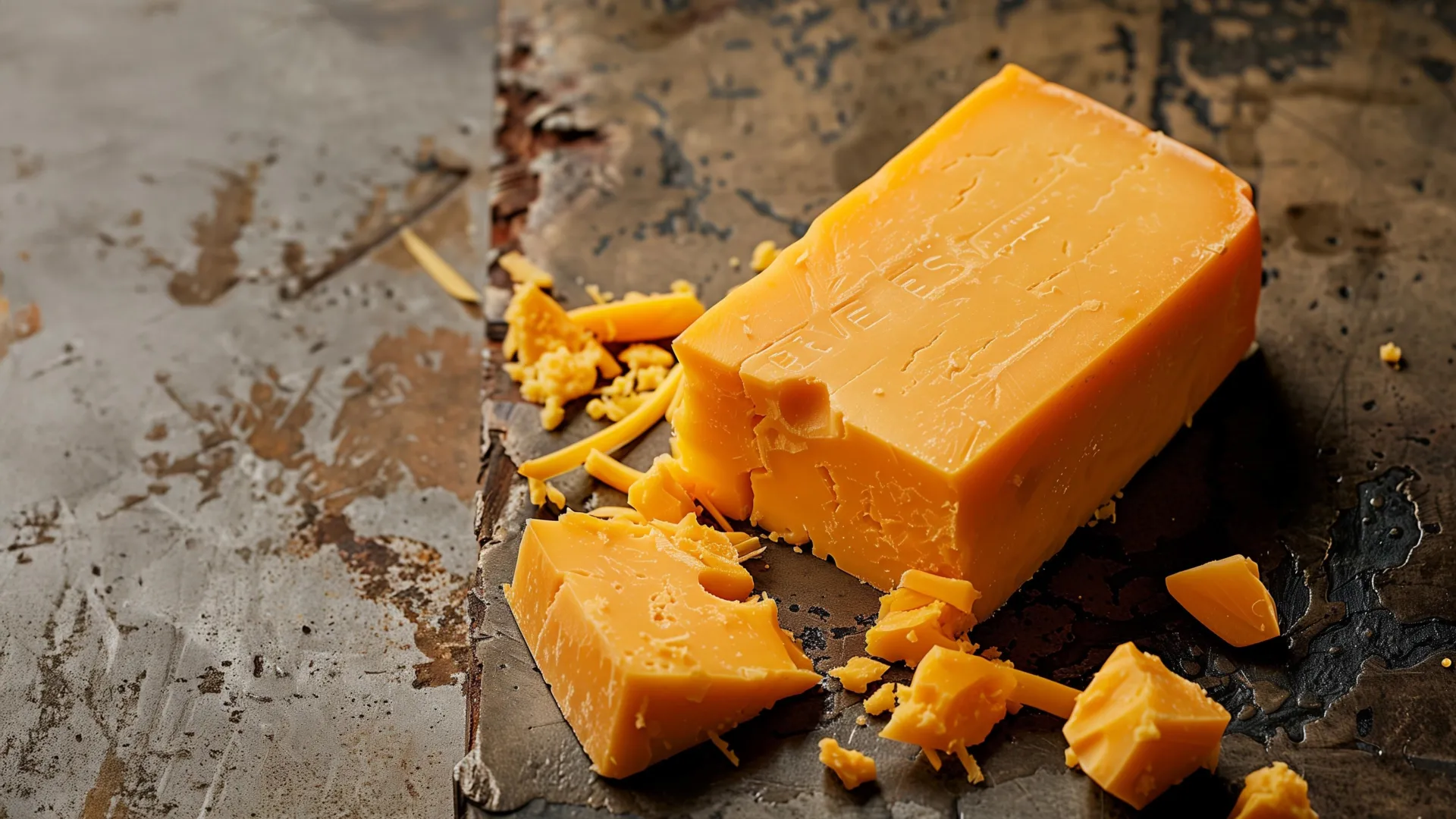
The study focused specifically on the consumption of high-fat cheese – defined as containing more than 20% fat, encompassing familiar varieties like cheddar, Brie, and Gouda – and high-fat cream, typically containing 30-40% fat, such as whipping cream and double cream. Researchers found a statistically significant association between intake and dementia risk. Individuals who consumed 50 grams or more of high-fat cheese daily exhibited a 13% lower risk of dementia compared to those who ate less than 15 grams. To put that into perspective, 50 grams is roughly equivalent to two slices of cheddar cheese or about half a cup of shredded cheese.
The benefits weren’t limited to cheese. Daily consumption of at least 20 grams of high-fat cream – approximately 1.4 tablespoons of heavy whipping cream – was linked to a 16% reduction in dementia risk. Interestingly, the study found no similar protective effect associated with low-fat cheese, low-fat cream, milk, butter, or fermented milk products like yogurt or kefir. This distinction suggests that the type of fat, or perhaps other compounds present in full-fat dairy, may be key to the observed benefits.
Vascular Dementia and the APOE e4 Gene: Nuances in the Findings
Further analysis revealed that the association between cheese consumption and reduced dementia risk was particularly strong for vascular dementia, with those consuming more high-fat cheese experiencing a 29% lower risk. Vascular dementia arises from reduced blood flow to the brain, often due to stroke or other cardiovascular issues. The potential link between dietary fat and vascular health is an area of ongoing research.
The study also uncovered a fascinating genetic component. While higher cheese consumption was associated with a lower risk of Alzheimer’s disease this effect was primarily observed in individuals who did not carry the APOE e4 gene variant. The National Institute on Aging identifies the APOE e4 gene as a major genetic risk factor for late-onset Alzheimer’s disease. This suggests that the protective effects of cheese may be more pronounced in individuals without this genetic predisposition, highlighting the complex interplay between genetics and lifestyle factors in dementia development.
Why Might Full-Fat Dairy Be Protective? Exploring Potential Mechanisms
While the study establishes a correlation, it doesn’t definitively explain *how* full-fat cheese and cream might protect against dementia. Several hypotheses are being explored. One possibility is that the saturated fats in these dairy products contribute to the production of beneficial metabolites in the gut, which then positively influence brain health. Another theory centers on the role of specific nutrients found in full-fat dairy, such as vitamin K2, which has been linked to improved cognitive function.
“These findings suggest that when it comes to brain health, not all dairy is equal,” explained Dr. Sonestedt in the published study. “While eating more high-fat cheese and cream was linked to a reduced risk of dementia, other dairy products and low-fat alternatives did not show the same effect.” The researchers emphasize that more research is needed to unravel the underlying mechanisms and determine whether specific high-fat dairy foods offer a genuine protective effect for the brain.
Study Limitations and the Need for Further Research
It’s crucial to acknowledge the limitations of this study. As Dr. Sonestedt herself points out, the research was conducted exclusively on a Swedish population, raising questions about the generalizability of the findings to other populations with different dietary habits. Dietary patterns vary significantly across cultures; for example, cheese consumption in Sweden often involves eating it uncooked, while in the United States, it’s frequently incorporated into cooked dishes or paired with meat.
To address this, researchers advocate for similar studies to be conducted in diverse populations, including the United States, to determine whether the observed association holds true across different dietary contexts. Future research should focus on identifying the specific components of full-fat dairy that may be responsible for the protective effects, and on conducting randomized controlled trials to establish a causal link between consumption and dementia risk. Such trials would involve assigning participants to different dietary groups and tracking their cognitive health over time, providing more definitive evidence.
Key Takeaways
- A 25-year study suggests a link between regular consumption of full-fat cheese and cream and a lower risk of dementia.
- The association was strongest for vascular dementia and appeared more pronounced in individuals without the APOE e4 gene variant.
- Researchers found no similar benefit associated with low-fat dairy products.
- Further research is needed to confirm these findings and understand the underlying mechanisms.
The findings from this Swedish study offer a tantalizing glimpse into the potential role of diet in dementia prevention. While it’s too early to recommend a cheese-heavy diet as a preventative measure, the research underscores the importance of considering the complex relationship between nutrition and brain health. Researchers are continuing to investigate these findings, and further studies are planned to explore the potential benefits of full-fat dairy in more detail. The next steps will likely involve larger, more diverse studies and, clinical trials to determine whether these dietary changes can truly reduce the risk of dementia.
What are your thoughts on these findings? Share your comments below, and let’s continue the conversation about brain health and nutrition. Don’t forget to share this article with anyone who might find it informative.
- French Health Insurance: Dentists Warn of Potential 50% Cut in Dental Care Reimbursements
- Ebola Patient Discharged from Frankfurt University Hospital
- Discover the Unique Taste of Santa Fe with Lalecheria’s Red Chile Blue Corn Biscochito Ice Cream (news-usa.today)
- Ranking the Best and Worst Unusual Ice Cream Flavours in Britain (archyde.com)