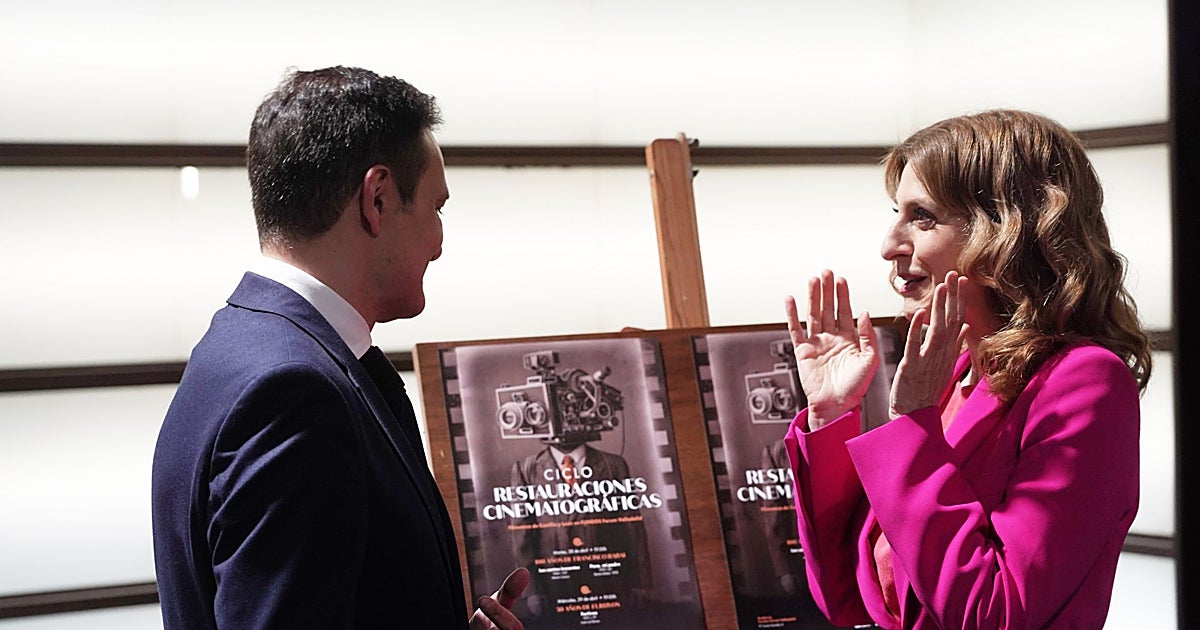
In a significant development for cultural preservation in Spain’s Castile and León region, the Fundos Foundation has renewed its partnership with the Filmoteca de Castilla y León to launch a series of film cycles in Valladolid. The collaboration aims to promote cinematic heritage through curated screenings, restoration projects, and public engagement initiatives centered around the historic Fuente Dorada cinema in the city.
This renewed alliance marks a continuation of efforts to safeguard and celebrate regional audiovisual legacy, particularly focusing on films that reflect the social, artistic, and historical fabric of Castile and León. By combining Fundos’ cultural outreach expertise with the Filmoteca’s archival resources, the initiative seeks to make classic and restored cinema accessible to broader audiences, including students, researchers, and film enthusiasts.
The program will feature thematic cycles highlighting works from different eras and genres, with special attention to films shot in or related to the region. Screenings will take place at the restored Fuente Dorada venue, a landmark space that has undergone recent renovations to revive its original 1950s character while incorporating modern projection and sound technology.
According to verified information from the Filmoteca de Castilla y León’s official website, the foundation and the regional film archive first established their collaboration in 2020, with joint efforts centered on film restoration, educational outreach, and public exhibitions. The current phase builds on that foundation by introducing regular programming throughout the year, rather than isolated events.
The Filmoteca de Castilla y León, headquartered in Valladolid, operates under the auspices of the Junta de Castilla y León and is responsible for preserving, restoring, and promoting the region’s cinematic heritage. Its archive includes over 15,000 titles, ranging from silent films to contemporary works, with a particular focus on productions linked to Castile and León.
Fundos, a private cultural foundation based in León, has been active in supporting arts and heritage projects across northwestern Spain. Its involvement in the Fuente Dorada project includes financial support for technical upgrades and programming coordination, aiming to transform the cinema into a living hub for film culture.
One of the key aspects of the renewed alliance is the emphasis on film restoration. The Filmoteca has prioritized the recovery of deteriorating nitrate and acetate films, many of which are at risk of irreversible damage due to vinegar syndrome and physical decay. Through digital scanning and photochemical restoration techniques, the archive has revived dozens of titles that would otherwise be lost.
A notable example is the restoration of “Tierra de Gloria” (1925), a silent documentary depicting rural life in the province of León. The film, originally shot by local filmmaker Antonio Sánchez, was recovered from fragmented reels and restored in 2023 with support from regional cultural funds. It premiered at the Seminci Film Festival and is now part of the regular screening cycle at Fuente Dorada.
Educational outreach forms another pillar of the initiative. The Filmoteca and Fundos have developed guided visits and workshops for school groups, focusing on film history, preservation techniques, and the cultural value of audiovisual archives. These programs align with Spain’s national education laws promoting media literacy and cultural awareness in secondary education.
Public access to the film cycles is designed to be inclusive, with affordable ticket pricing and special sessions for seniors and people with disabilities. The Fuente Dorada cinema has been equipped with wheelchair access, hearing assistance systems, and subtitling options for select screenings to ensure broader participation.
The initiative likewise intersects with the broader cultural calendar of Valladolid, particularly the Semana Internacional de Cine de Valladolid (Seminci), one of Spain’s oldest and most prestigious film festivals. While the Fundos-Filmoteca cycles operate independently, they often complement Seminci’s programming by offering year-round access to restored and archival content.
According to the Junta de Castilla y León’s Department of Culture and Tourism, regional investment in audiovisual preservation has increased by 18% over the past three years, reflecting a growing institutional commitment to safeguarding cultural assets. This trend supports initiatives like the Fuente Dorada revival, which relies on both public funding and private patronage.
Looking ahead, the partners have announced plans to expand the film cycles to include outdoor screenings during the summer months in Valladolid’s public plazas, leveraging portable digital cinema equipment. These events aim to bring cinema to neighborhoods that may not have easy access to traditional venues.
the Filmoteca is developing a digital portal that will allow remote access to curated clips, restoration progress reports, and educational materials related to the films featured in the cycles. The platform, currently in beta testing, is expected to launch publicly in early 2025.
As cultural institutions across Europe reevaluate their roles in community engagement, the Fundos-Filmoteca collaboration offers a model of how archival work can be made vibrant and relevant through thoughtful programming and public partnership. By restoring not just film reels but also the communal experience of cinema, the initiative reinforces the idea that cultural heritage is not static—This proves lived, shared, and continually renewed.
For updates on upcoming screenings, restoration projects, or educational events at the Fuente Dorada cinema, the public is encouraged to visit the official website of the Filmoteca de Castilla y León or follow its verified social media channels.
If you found this overview informative, consider sharing it with others interested in film, culture, or heritage preservation. Comments and discussions are welcome below.
Keep reading