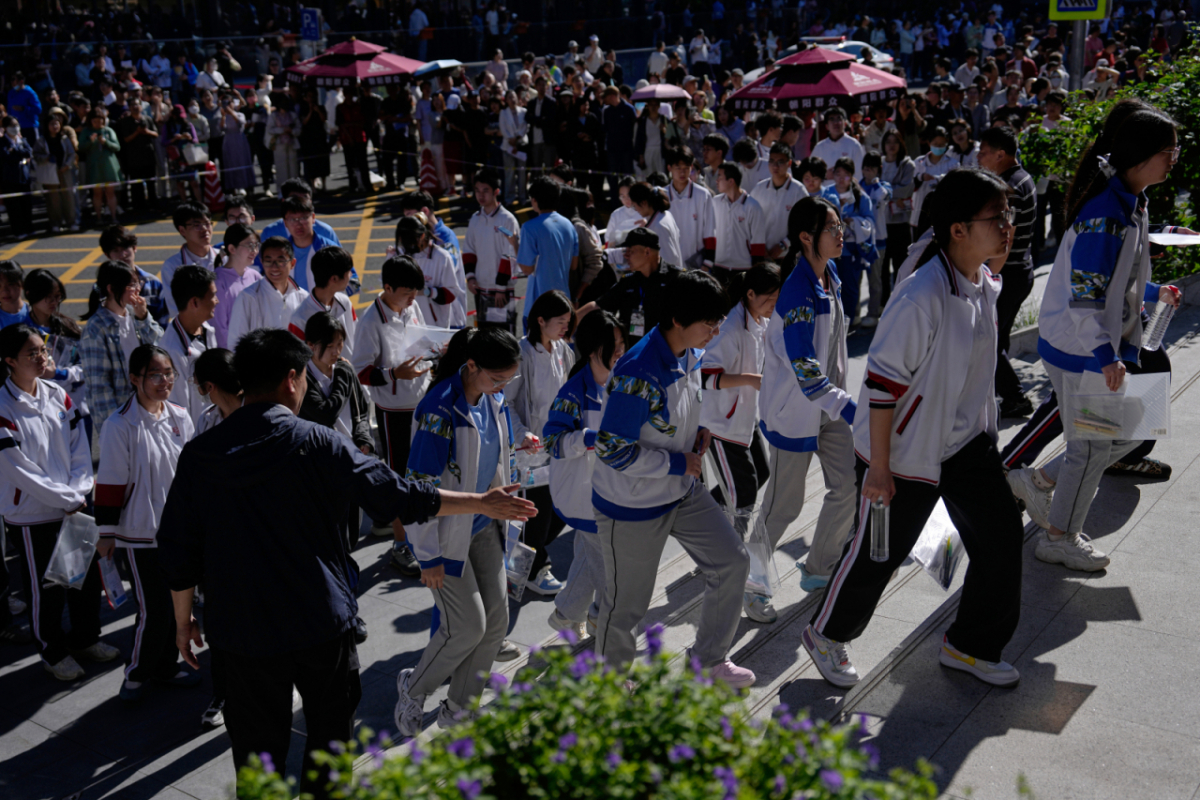
Chinese universities are undertaking a significant restructuring of their academic offerings, moving to eliminate hundreds of undergraduate programs in liberal arts, social sciences, and humanities to prioritize emerging technology sectors. According to data from the Ministry of Education of the People’s Republic of China, this shift is part of a broader national strategy to align higher education with the country’s industrial goals in artificial intelligence, semiconductor manufacturing, and robotics.
The restructuring effort, which has seen the closure of dozens of departments, reflects a state-led push to address a perceived mismatch between university curricula and the demands of the modern labor market. As the country faces economic headwinds and a tightening job market, the prioritization of “hard” sciences—specifically engineering and computer science—has become the central focus of institutional reform across major public universities.
Strategic Pivot Toward Engineering and AI
The current academic landscape in China is undergoing a definitive transition toward technical disciplines. Recent reports from the Ministry of Education indicate that engineering and technology-related fields now dominate the landscape of newly established undergraduate majors. In a recent cycle of curriculum updates, engineering disciplines accounted for approximately 31.6% of all newly approved programs, securing a dominant share of institutional resources and government funding.
.jpg/500px-Ministry_of_Education_of_China_(20221020141115).jpg "Strategic Pivot Toward Engineering and AI")
This reallocation of resources is not merely a localized trend but a national mandate. Institutions are being encouraged to sunset programs that demonstrate low employment rates or those deemed less critical to national self-sufficiency in technology. The focus is explicitly on fields such as software engineering, advanced robotics, and semiconductor science, as the government seeks to bolster its domestic talent pool amid international trade tensions and technological competition.
For students, this means a significantly narrower selection of traditional humanities courses. Departments ranging from public administration to advertising are facing consolidation or total dissolution. This trend is particularly evident in large, state-funded institutions that are under pressure to produce graduates capable of entering the high-tech workforce immediately upon completion of their degrees.
Drivers Behind the Academic Consolidation
Several factors are fueling this rapid evolution in Chinese higher education. First, the national push for “technological sovereignty” has made the production of engineers and research scientists a top-tier political priority. By concentrating capital in departments like software engineering, the state aims to reduce reliance on foreign technology and build a robust domestic ecosystem for artificial intelligence.
Second, the realities of the domestic job market are exerting immense pressure on university administrations. Recent statistics on graduate employment have highlighted a growing gap between the skills possessed by liberal arts graduates and those required by the private sector. With youth unemployment figures remaining a focus of government economic policy, universities are viewed by policymakers as essential engines for workforce development.
The consolidation process involves a rigorous review of existing programs. Universities are required to submit reports on the relevance and employability of their current majors, a process that has led to the systematic closure of departments that do not meet efficiency targets set by regional education bureaus. This top-down approach ensures that academic offerings remain in lockstep with the Five-Year Plan objectives established by the central government.
Impact on the Future of Higher Education
The long-term implications for China’s intellectual and cultural landscape remain a subject of debate among education observers. While the immediate goal is to solve labor shortages in technical sectors, critics and some academics argue that the erosion of the humanities could have unintended consequences for the quality of critical thinking and creative innovation in the workforce.

Despite these concerns, the momentum behind the “STEM-first” policy shows no signs of slowing. The Ministry of Education continues to oversee the systematic review of undergraduate programs, with the expectation that the number of engineering-focused majors will continue to rise in the coming academic years. For students, the path forward is increasingly clear: the academic environment is shifting toward a model where curriculum is inextricably linked to the immediate industrial and strategic needs of the state.
The next phase of this restructuring will likely be outlined in the upcoming annual reports from the Ministry of Education, which track the success of these newly established technical programs. Readers interested in following these developments can monitor the official announcements and policy updates published on the Ministry of Education of the People’s Republic of China website. We invite our readers to share their thoughts on these educational shifts in the comments section below.