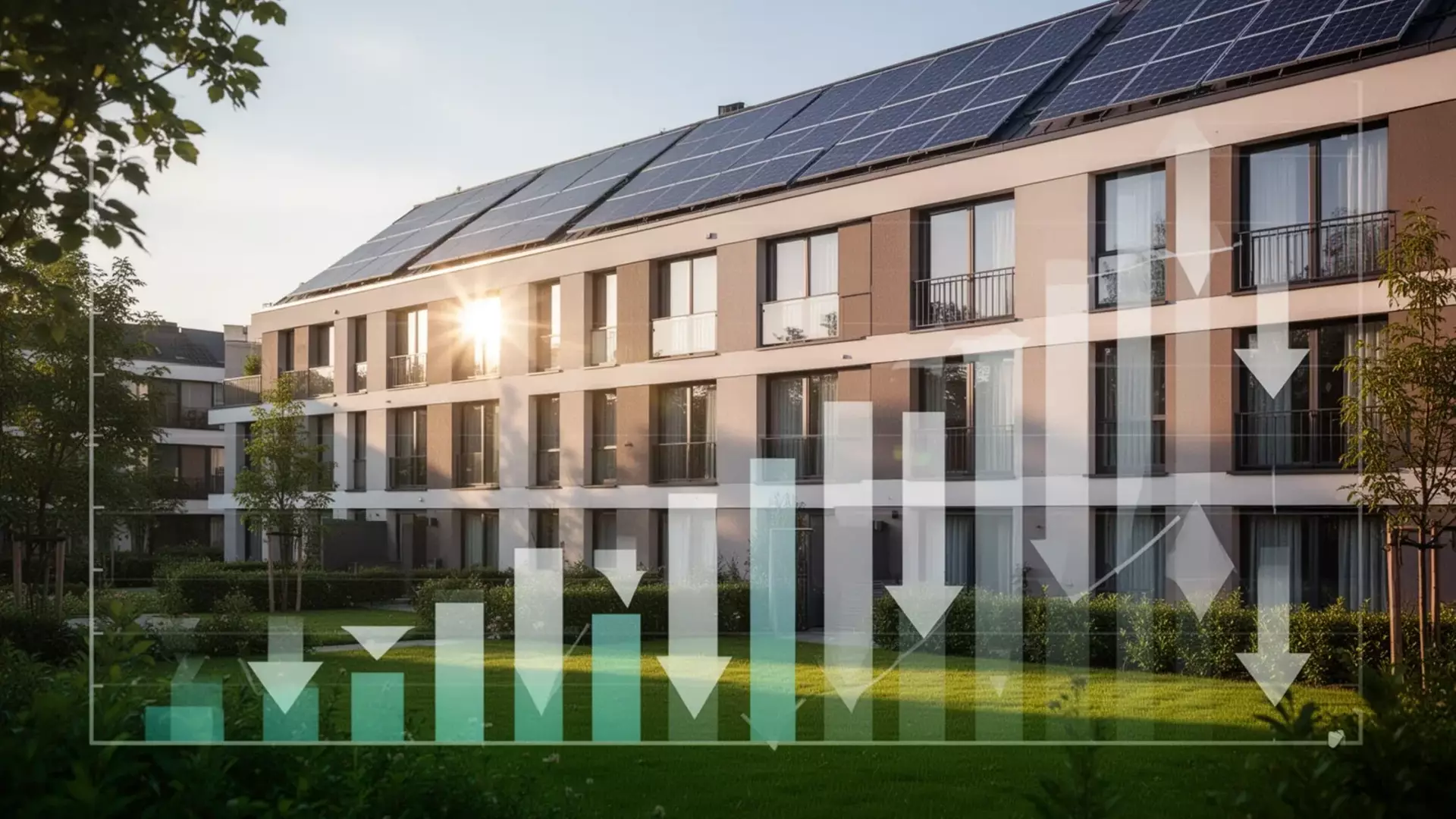
The German federal government has implemented significant adjustments to the federal funding for efficient buildings (BEG), impacting homeowners and property developers effective July 21, 2024. These revisions, primarily managed through the KfW (Kreditanstalt für Wiederaufbau), introduce stricter eligibility requirements and modified subsidy structures for residential heating systems, marking a shift in how the state supports the transition to climate-neutral energy solutions.
According to the official KfW program guidelines, the core of these changes centers on the reduction of available bonus percentages for specific heating technologies and a re-evaluation of the income-based supplementary grants. While the German government remains committed to the “Building Energy Act” (GEG), which mandates that new heating systems must be powered by at least 65% renewable energy, the financial incentives provided to ease this transition are being recalibrated to manage federal budget constraints.
Subsidy Adjustments and the 2024 Funding Landscape
The primary impact of the July 21 updates involves a tightening of the “efficiency bonus” for heat pumps. While the base subsidy remains a significant pillar of the government’s climate strategy, the cumulative maximum subsidy rate—which was previously accessible through a combination of base, efficiency, and climate bonuses—has been capped more strictly. The Federal Ministry for Economic Affairs and Climate Action (BMWK) notes that these adjustments are intended to ensure the long-term viability of the funding pot, which faced considerable strain following high demand in early 2024.

For property owners, the practical implication is a decrease in the total non-repayable grant available for heat pump installations that rely on natural refrigerants or specific geothermal sources. Applicants are now required to provide more granular documentation regarding the projected seasonal performance factor (SPF) of their chosen systems to qualify for the higher-tier efficiency bonuses. These requirements are verified through the Federal Office for Economic Affairs and Export Control (BAFA), which coordinates with KfW to process applications.
Impact on Residential Developments and Lending
The broader context of these funding changes includes how private developers and housing cooperatives access capital for sustainable projects. In regions such as Gießen, new residential developments integrating solar photovoltaics and electric vehicle charging infrastructure continue to rely on subsidized KfW loans. As of mid-2024, specialized loan products for energy-efficient construction remain available, often featuring interest rates significantly below market averages, such as the 2.19% rates observed in specific multi-unit housing projects.
However, the shift in subsidy policy means that developers must now account for lower direct grant contributions in their pro-forma financial statements. The KfW development bank emphasizes that while loan interest rates remain competitive, the reliance on upfront capital—rather than non-repayable grants—is the new standard for large-scale energy retrofits. Property owners are encouraged to review the updated “BEG” portal before initiating any procurement or installation contracts, as retroactive applications are generally prohibited under current administrative guidelines.
Who Is Affected and What Happens Next
The changes primarily affect private homeowners, landlords, and housing associations planning to replace fossil-fuel-based boilers. Those who signed contracts or commenced construction prior to the July 21 deadline generally remain under the previous subsidy regime, provided they submitted their applications according to the transition rules outlined by the Federal Gazette.

Looking ahead, the next checkpoint for applicants involves the upcoming review of the federal budget for the 2025 fiscal year. Market analysts expect further refinements to the funding criteria as the government attempts to balance the transition to heat pumps with the fiscal realities of the national budget. Property owners seeking to maximize their funding should consult with a certified energy efficiency expert—an “Energieeffizienz-Experte”—who is registered in the official database, as their verification is often a mandatory prerequisite for accessing the full scope of available grants.
For those currently evaluating their options, the most reliable source for real-time eligibility remains the KfW portal. We invite our readers to share their experiences with the updated application process or to ask questions regarding how these changes may impact specific regional projects in the comments section below.