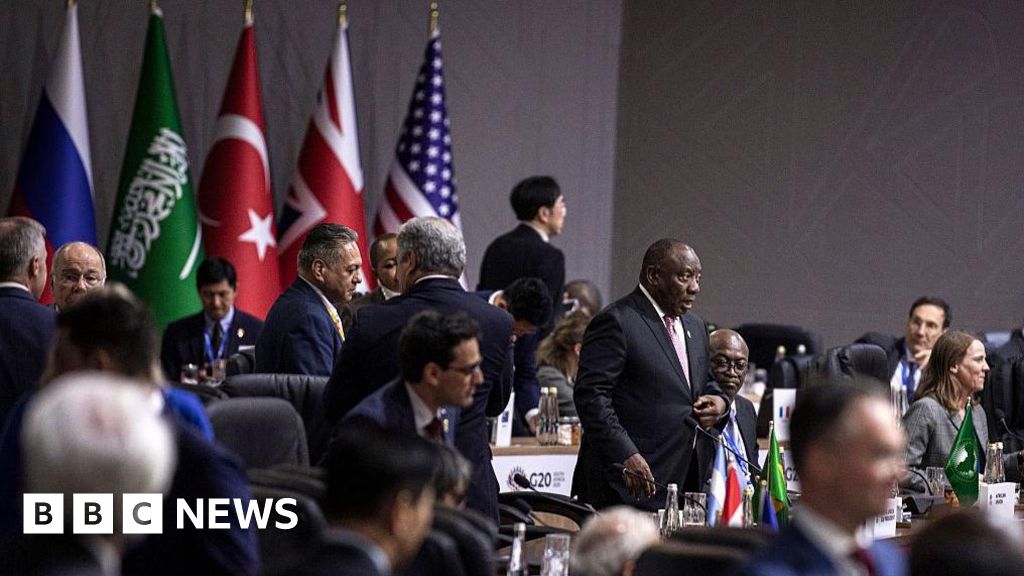
The 2023 G20 summit in South Africa: A Turning Point for Global Cooperation?
The recent G20 summit, hosted in South Africa, concluded with a joint declaration emphasizing “multilateral cooperation.” This marked a notable moment,particularly as it unfolded against a backdrop of geopolitical tension and the notable absence of the United states. But what does this summit really mean for the future of global economic and political collaboration? And why was the US absent? This article breaks down the key takeaways, implications, and what you need to know.
why Was the US Absent? A Controversial Decision.
President Donald Trump‘s decision to boycott the Johannesburg summit stemmed from a widely debunked claim regarding alleged “large-scale killings” and land seizures targeting white farmers in South Africa. This assertion, lacking credible evidence, fueled a diplomatic rift and ultimately led to the US abstaining from the gathering. This absence, as German Chancellor Fredriech Merz noted, wasn’t a “good decision,” signaling a potential shift in the US’s approach to international engagement.
A Historic First: Africa Hosts the G20
This year’s summit was particularly noteworthy as it represented the first time the G20 was held on African soil. Previously, Indonesia, India, and Brazil had held the presidency over the last three years. The event underscored the growing importance of the African continent in global affairs and provided a platform to address issues specific to the region.
Key outcomes of the G20 Declaration
Despite the US absence, the G20 nations reached consensus on several critical areas. Here’s a breakdown of the key commitments:
* Climate Change Mitigation: The declaration reaffirmed a commitment to tackling climate change, though specific details regarding emission reduction targets remain a point of ongoing negotiation.
* Economic Inequality: Addressing global economic disparities was a central theme, with pledges to promote inclusive growth and sustainable growth.
* Conflict Resolution: Delegates agreed to work towards “just, comprehensive, and lasting peace” in several conflict zones, including Ukraine, sudan, the Democratic Republic of Congo, and the Occupied Palestinian Territory. The inclusion of Sudan, after two years of conflict, is particularly significant.
* Multilateralism Remains vital: Brazilian President Luiz Inácio Lula da Silva emphasized that multilateralism is “more alive than ever,” despite challenges to international cooperation.
The Handover Hiccup & What It Signals
The ceremonial handover of the G20 presidency from South Africa to Brazil didn’t occur as planned at the summit’s conclusion. Instead, it’s scheduled to take place next week through junior officials. While seemingly procedural,this delay is viewed by some as a symbolic reflection of the current geopolitical climate and potential friction in the transfer of leadership. The US is slated to host the G20 in 2026, perhaps at Trump’s golf course in Florida.
What Does This Mean for You & the Global Landscape?
The 2023 G20 summit reveals a world in flux. Here are some key implications:
* Shifting Global Alliances: As Merz observed, the world is undergoing a “realignment,” with new connections forming. this suggests a potential decline in conventional power dynamics and the emergence of new global leaders.
* The Resilience of Multilateralism: despite challenges, the G20’s ability to reach a joint declaration demonstrates the continued importance of international cooperation.
* Increased Focus on African Issues: Hosting the summit in South Africa brought African concerns to the forefront, potentially leading to greater attention and investment in the continent.
* Uncertainty with US Engagement: Trump’s absence raises questions about the future of US involvement in multilateral forums and its commitment to global cooperation.
frequently Asked questions About the G20 Summit
Q: What is the G20, and why is it significant?
A: The G20 is a forum comprising 19 countries and the european Union, representing roughly 80% of global GDP. It’s a crucial platform for international economic cooperation, addressing issues like financial stability, climate change, and sustainable development. Its decisions significantly impact global policy and economic trends.
Q: How did the US absence affect the summit’s outcomes?
A: While the US absence was
Keep reading