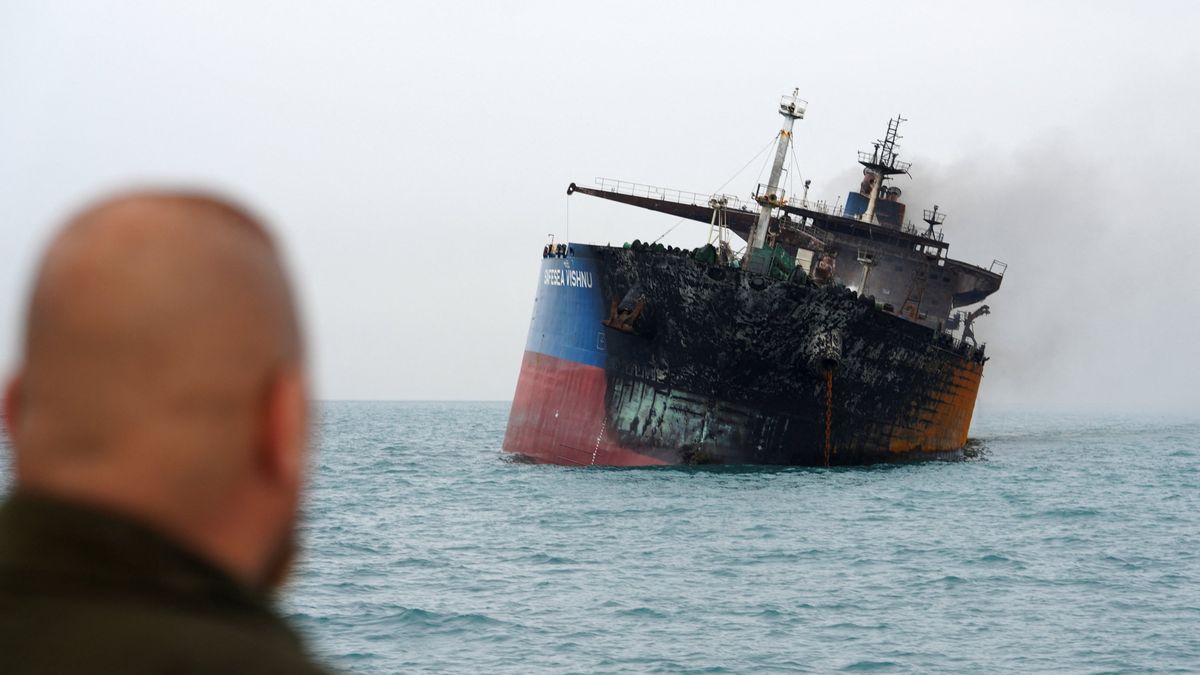
G7 Considers Naval Escorts in the Gulf as Iran-Israel Tensions Escalate
The escalating conflict between Iran, Israel, and the United States is extending to maritime routes, prompting a response from the Group of Seven (G7) nations. Leaders from the US, Canada, Japan, Italy, the United Kingdom, Germany, and France are evaluating the possibility of providing naval escorts to commercial vessels transiting the Gulf region, aiming to safeguard vital energy trade and ensure freedom of navigation. This comes amid heightened concerns over potential disruptions to global oil supplies and broader regional instability. The situation underscores the increasingly complex geopolitical landscape and the potential for wider conflict following recent escalations.
The discussions were initiated following a telephone conference convened by French President Emmanuel Macron, bringing together the leaders of the G7 to address the ramifications of the ongoing tensions. The primary focus of the meeting was to analyze the impact of the conflict on the international energy market and to explore collaborative measures to mitigate potential risks. The G7’s consideration of naval escorts reflects a growing international effort to de-escalate the situation and prevent further disruptions to critical trade routes. The Gulf region is a crucial artery for global energy supplies, and any significant disruption could have far-reaching economic consequences.
Heightened Tensions in the Persian Gulf
The move by the G7 comes as tensions in the Persian Gulf have significantly increased. Even as specific incidents prompting the consideration of escorts weren’t detailed in initial reports, the broader context involves a series of escalating actions and counter-actions between Iran and its regional adversaries, particularly Israel, with the United States playing a key supporting role to Israel. The recent joint offensive launched by the US and Israel against Iran, targeting what they claim are regime leaders, as reported on March 12, 2026, has further inflamed the situation. This offensive has raised concerns about potential retaliatory strikes from Iran, which could further destabilize the region and disrupt maritime traffic.
The potential for attacks on commercial shipping is a significant concern. The Strait of Hormuz, a narrow waterway connecting the Persian Gulf to the Gulf of Oman and the Arabian Sea, is one of the world’s most important oil transit chokepoints. Disruptions to shipping through this strait could have a substantial impact on global energy prices, and supply. The G7’s consideration of naval escorts is a proactive measure aimed at deterring such attacks and ensuring the continued flow of oil and other essential goods.
G7 Coordination and Consultations
Following the initial discussions, the G7 has established a dedicated working group tasked with developing a potential naval escort system. The group will assess the feasibility and logistical requirements of such an operation, taking into account the complex security environment in the Gulf. Crucially, the G7 leaders emphasized the importance of establishing appropriate security conditions before deploying any naval escorts. This suggests a cautious approach, recognizing the potential for escalation if not carefully managed.
The initiative will also involve extensive consultations with key stakeholders, including shipping companies, maritime transport firms, and insurance providers. These consultations are essential to ensure that any escort system is effective and meets the needs of the maritime industry. The involvement of these private sector actors will also facilitate to address concerns about costs and liability. The G7 recognizes that a successful escort system requires close collaboration between governments and the private sector.
Broader Diplomatic Efforts
The G7’s response to the escalating tensions is occurring alongside broader diplomatic efforts to de-escalate the conflict. The first EU-Gulf Cooperation Council (GCC) summit, held on October 16, 2024, signaled a growing commitment to strengthening ties between Europe and the Gulf region. This summit aimed to foster dialogue and cooperation on a range of issues, including regional security, energy, and trade. The EU and GCC share a common interest in maintaining stability in the Gulf region and preventing further escalation of the conflict.
However, the diplomatic path remains challenging. Deep-seated mistrust and conflicting interests between the various parties involved continue to hinder progress. Iran has repeatedly stated its opposition to foreign intervention in the region and has accused the United States and Israel of destabilizing actions. Finding a sustainable solution to the conflict will require a comprehensive approach that addresses the underlying causes of tension and promotes dialogue and cooperation.
Implications for Global Energy Markets
The potential for disruptions to oil supplies from the Persian Gulf is a major concern for global energy markets. The region accounts for a significant portion of the world’s oil production, and any prolonged disruption could lead to a sharp increase in prices. This would have a ripple effect on the global economy, potentially contributing to inflation and slowing economic growth. The G7’s efforts to ensure freedom of navigation in the Gulf are therefore aimed at protecting the stability of global energy markets.
Beyond oil, the Gulf region is also a key transit route for liquefied natural gas (LNG). Disruptions to LNG shipments could exacerbate energy shortages in Europe and Asia, particularly during the winter months. The G7’s consideration of naval escorts reflects a recognition of the broader implications of the conflict for global energy security.
emmanuel macron
Looking Ahead
The G7’s decision to explore naval escorts in the Gulf is a significant development in the ongoing efforts to manage the escalating tensions between Iran, Israel, and the United States. The working group is expected to present its findings and recommendations in the coming weeks, outlining the feasibility and logistical requirements of a potential escort system. The next key checkpoint will be the G7 foreign ministers’ meeting scheduled for April 15, 2026, where the issue is expected to be further discussed.
The situation remains fluid and unpredictable. The potential for further escalation is high, and the risk of miscalculation is significant. Continued diplomatic efforts, coupled with a cautious and coordinated approach to security measures, will be essential to prevent a wider conflict and ensure the stability of the region.
This is a developing story. Check back for updates.
What are your thoughts on the G7’s potential involvement in the Persian Gulf? Share your comments below and let us know what you think.