iPhone Emergency SOS: Why Location Data Delays Are Raising Concerns
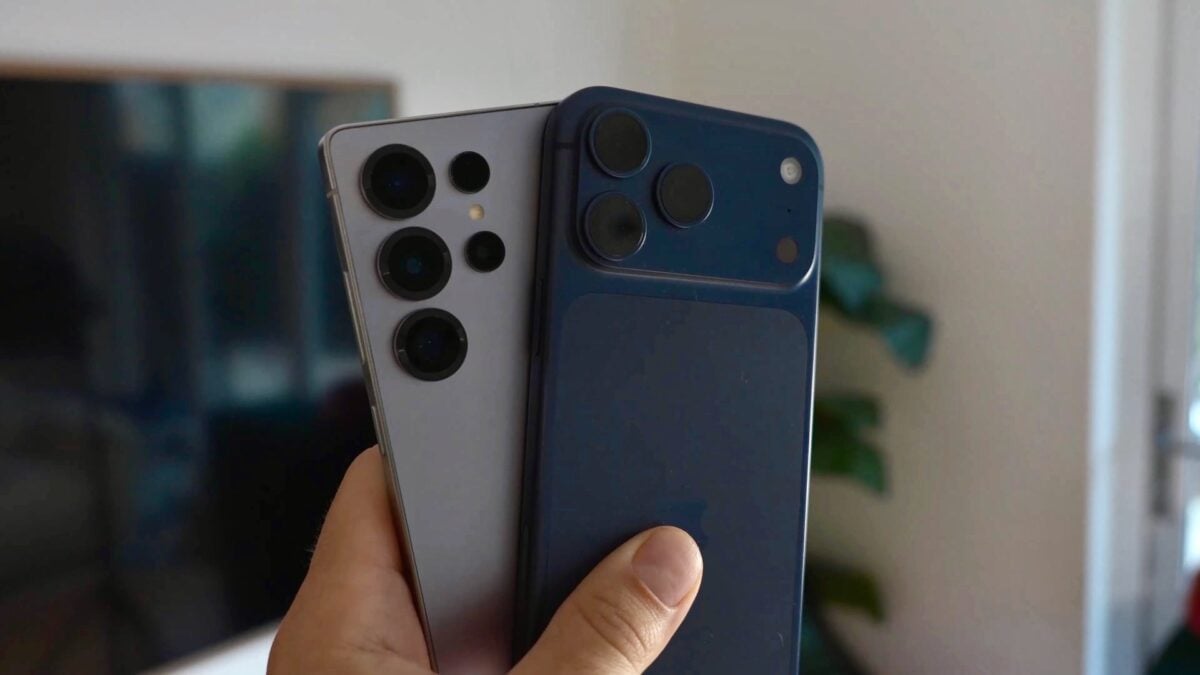
Recent tests and a tragic incident in Seoul are spotlighting a critical difference in how quickly emergency services can locate you depending on the smartphone you use. it centers around emergency location sharing,and the findings reveal a significant delay with iPhones compared to Android devices like the Samsung Galaxy S24 Ultra.
The Speed Discrepancy: seconds vs. Twenty Seconds
Testing conducted in 2024 demonstrated a clear contrast in data transmission speeds. The Galaxy S24 Ultra transmitted data, including precise location facts (within 13-25 meters), in just 1.4 to 2.4 seconds. This transmission utilized base stations, GPS, and Wi-Fi. In contrast, iPhones took approximately 20 seconds to respond, and the location data provided was limited to GPS and Wi-Fi, offering less pinpoint accuracy.
Why the Delay? Apple’s trade-offs
Apple attributes the slower response time to a “trade-off between precision and speed” inherent in their proprietary HELO system. They prioritize accuracy,even if it means a longer delay in sharing your location during an emergency. Moreover, iPhones limit data sharing to just five minutes after the emergency call connects.
Privacy and Security Concerns
Apple has explained that this five-minute limit is a deliberate security measure. The company cites concerns about potential hacking and battery drain as justification for restricting the duration of data transmission. They’ve also declined requests from Korean authorities to align their emergency location sharing with local standards, citing global privacy policies.
A Real-World Tragedy Highlights the Issue
The urgency of this issue became tragically clear following a stabbing in Seoul last month. Police arrived on the scene 20 minutes after the initial emergency call as they struggled to pinpoint the caller’s location, as the call was made from an iPhone. This delay underscores the potential consequences of slower location sharing in critical situations.
What This Means for You
* Understand the limitations: If you rely on an iPhone for emergency calls, be aware that it may take longer for responders to find you.
* Consider your surroundings: In areas with poor GPS or Wi-Fi signal, the delay could be even more pronounced.
* Be prepared to provide additional information: If possible, verbally relay your location details to the emergency operator.
* Stay informed: This is an evolving situation, and Apple’s policies could change.
This discrepancy raises important questions about balancing privacy, security, and the speed of emergency response. As smartphone technology becomes increasingly integrated into our safety nets, ensuring rapid and accurate location sharing is paramount.
Related reading