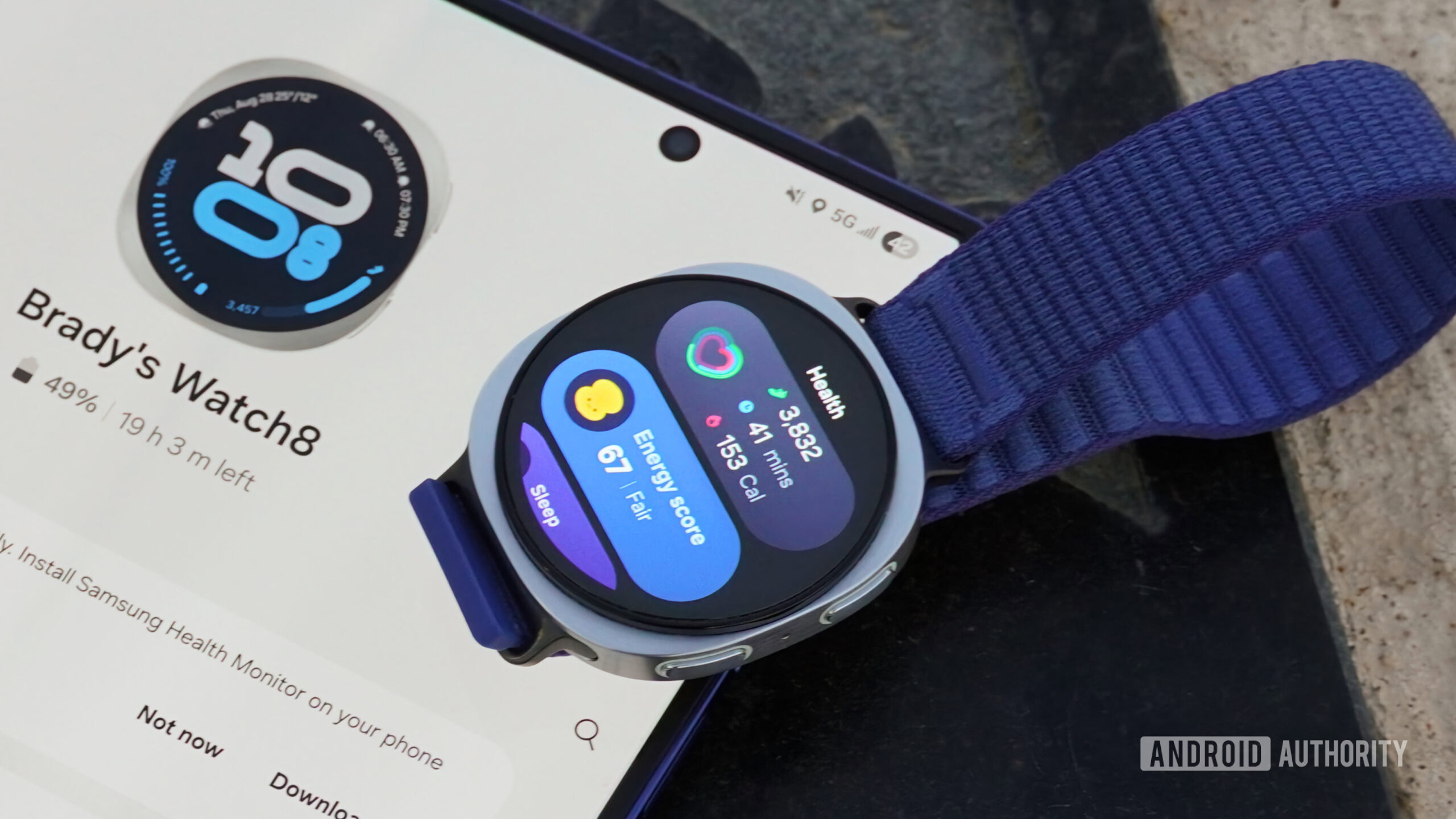
For years, the experience of wearing a smartwatch has been defined by a deluge of data. We wake up to sleep scores, glance at heart rate graphs during workouts, and receive notifications about step counts. Yet, for many users, this information remains largely observational—a collection of numbers that describe the past without providing a clear roadmap for the future. As we move further into 2026, the tech industry is shifting its focus toward making this health data truly actionable, and emerging reports suggest Samsung’s upcoming software strategy is aimed squarely at this goal.
Industry observers and tech enthusiasts are currently tracking the expected arrival of the One UI 9 Watch beta, an update that rumors suggest will prioritize the integration of advanced artificial intelligence into the wearable experience. By moving beyond passive monitoring, the anticipated software update aims to reposition the Galaxy Watch as a proactive health coach, capable of distilling complex metrics into personalized, human-readable insights. This transition represents a significant evolution in how wearable technology interacts with the user’s daily routine.
From Passive Tracking to Predictive Coaching
The core promise of the next-generation Galaxy Watch software is the shift from raw data display to predictive health analysis. Currently, most health platforms present users with historical logs—essentially a digital diary of physiological markers. However, the integration of Galaxy AI features within the Samsung Health ecosystem is intended to change this dynamic. Instead of simply showing a heart rate variability score, the watch may soon be able to analyze trends over time, identify patterns that correlate with lifestyle stressors, and offer specific recommendations to improve recovery or sleep hygiene.
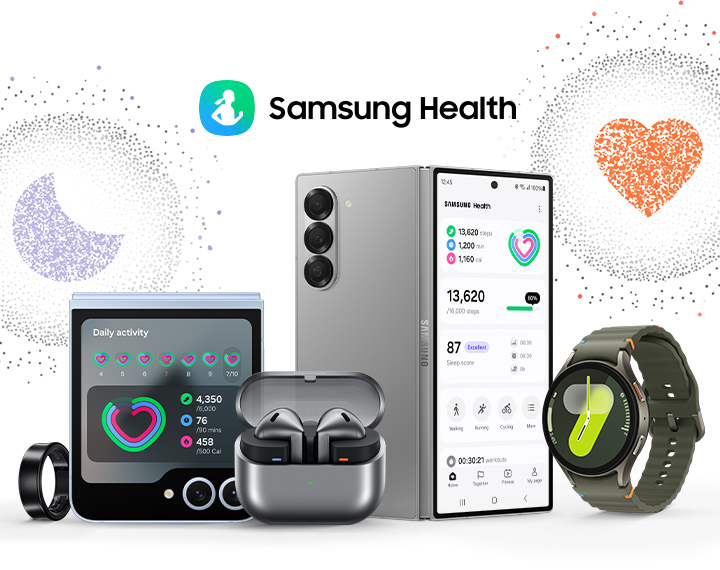
This approach mirrors broader trends in the wearable sector where “intelligence” is no longer just about tracking accuracy, but about the ability to interpret data in the context of a user’s unique physiology. By leveraging AI to synthesize data points—such as movement, sleep quality, and heart rate—Samsung appears to be building a system that acts as a bridge between clinical-grade sensor data and everyday lifestyle decisions. For the average user, this could mean receiving a notification that suggests a change in activity intensity based on a poor night’s rest, rather than just seeing a low sleep score on a dashboard.
The Role of One UI 9 Watch in the Samsung Ecosystem
The One UI 9 Watch beta serves as the next logical step in Samsung’s ongoing efforts to harmonize its mobile, wearable, and home appliance ecosystems. As the company continues to expand its AI-driven services across its product lines—ranging from the latest Samsung Galaxy mobile devices and home electronics to its high-end display technologies—the wearable acts as a critical hub for personal health data collection. The software update is expected to refine how this data is surfaced, potentially reducing the friction between gathering information and acting upon it.
While official release timelines for the beta remain fluid, the focus on deep AI integration suggests that Samsung is looking to differentiate its wearable experience in a crowded market. By utilizing the processing power available in modern smartwatches, the company aims to provide real-time, on-device analysis, which is essential for maintaining both user privacy and the responsiveness required for health monitoring. As we look ahead, the success of this update will likely be measured by how well it simplifies the complexities of personal health for the end user.
What This Means for Galaxy Watch Users
For those currently utilizing the Galaxy Watch platform, the transition toward proactive coaching could significantly enhance the value of their device. If the rumored features manifest as expected, users can look forward to:
- Contextualized Health Reports: Moving beyond simple charts to reports that explain the “why” behind health metrics.
- Pattern Recognition: AI-driven identification of habits that positively or negatively impact long-term wellness goals.
- Actionable Recommendations: Guidance that is tailored to current physiological states rather than generic health benchmarks.
As the industry continues to refine these technologies, the goal remains to transform wearables from mere accessories into essential partners in personal healthcare. While we wait for Samsung to share more details regarding the official rollout of the One UI 9 Watch beta, users are encouraged to keep their current devices updated to the latest available software versions to ensure they are prepared for new feature drops as they become available.
We will continue to monitor official announcements from Samsung regarding the release schedule of the One UI 9 Watch beta and provide updates as more information is confirmed. In the meantime, we invite our readers to share their thoughts on the role of AI in wearable health—what features would make your watch more useful to you? Join the conversation in the comments below.
Keep reading