
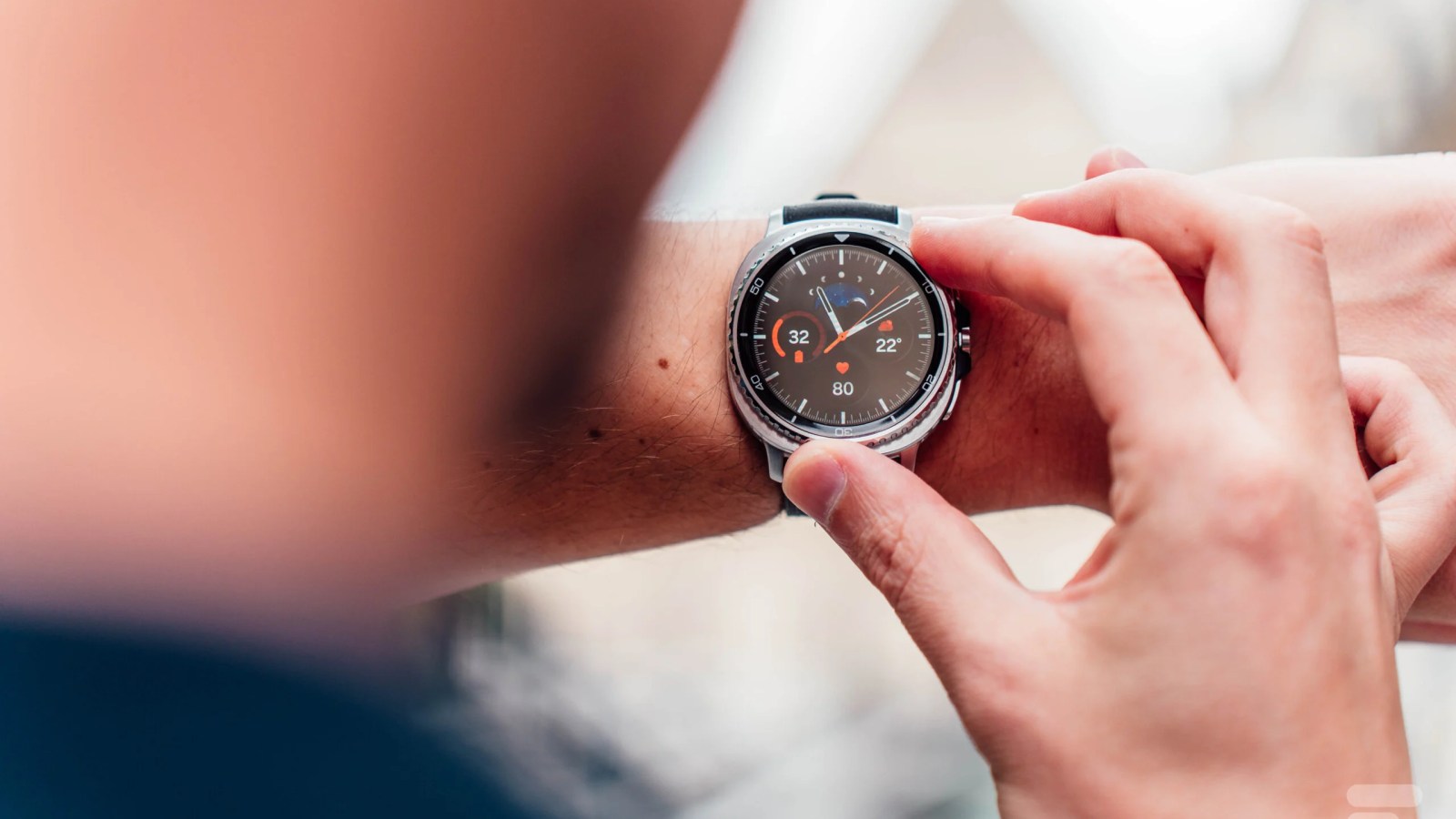
Samsung has officially adjusted its health monitoring suite for the Galaxy Watch series, phasing out the “vascular age” feature in favor of expanded blood pressure tracking capabilities. This strategic shift reflects the company’s ongoing efforts to streamline its health ecosystem and prioritize clinical-grade data points for users monitoring their cardiovascular wellness through the Samsung Health Monitor app.
The decision to remove vascular age—a metric previously used to estimate the biological health of a user’s blood vessels—comes as Samsung continues to refine the sensor capabilities within its latest wearable devices. According to official Samsung product documentation, the company is focusing resources on blood pressure and electrocardiogram (ECG) tracking, features that require rigorous regulatory certification in various global markets.
Shifting Focus: Why Blood Pressure Tracking Takes Precedence
For many users, the transition represents a move toward more actionable health data. While vascular age provided a broad estimate of arterial stiffness, blood pressure monitoring offers a direct, quantifiable measurement often requested by medical professionals. As noted in recent Samsung health support resources, the blood pressure feature requires initial calibration with a traditional cuff-based sphygmomanometer, ensuring that the watch’s optical sensor measurements remain accurate over time.

This update aligns with Samsung’s broader strategy to position the Galaxy Watch as a primary tool for preventive health. By prioritizing features that carry medical device clearance from agencies such as the FDA in the United States or the CE mark in Europe, Samsung aims to minimize user confusion regarding the clinical utility of its wearable data. The removal of the vascular age feature is part of a firmware update cycle that simplifies the user interface, allowing for a cleaner dashboard within the Samsung Health Monitor application.
Hardware Evolution and the Galaxy Watch Ecosystem
The refinement of software features coincides with hardware advancements across the Galaxy Watch lineup. Recent reports indicate that upcoming iterations, including the anticipated Galaxy Watch Ultra 2, are expected to feature significant improvements in display technology and battery efficiency. Industry analysts have highlighted that these hardware upgrades are designed to support more frequent, power-intensive health scans, including continuous monitoring capabilities that demand higher peak screen brightness for visibility in direct sunlight.
Samsung’s color strategy for the new generation of accessories is also evolving. Market analysis suggests a shift toward more distinct, premium aesthetics for the Watch Ultra 2, aiming to differentiate the flagship model from the standard Galaxy Watch 9. This physical design evolution is intended to complement the advanced sensor array housed within the chassis, which remains the core of the device’s health-tracking value proposition.
What Users Should Expect Next
Users currently utilizing the Samsung Health Monitor app should check for the latest firmware updates via the Galaxy Wearable app on their paired smartphones. Samsung typically rolls out these updates in waves, and availability may vary based on the user’s region and specific device model. For those who previously relied on the vascular age metric, the company suggests utilizing the broader cardiovascular insights provided by the heart rate and blood pressure tracking modules.

As of mid-2024, Samsung has not announced a return of the vascular age feature, suggesting that the current focus remains exclusively on blood pressure and ECG integration. Owners of the Galaxy Watch 4, 5, 6, and newer models are encouraged to visit the official Samsung Support portal to verify the current status of health features available in their specific geographic location. These regulatory requirements mean that health feature availability is strictly tied to regional health authority approvals.
The next major update for the Galaxy Watch ecosystem is expected to coincide with upcoming product launches later this year. We will continue to monitor official disclosures regarding sensor performance and health feature availability. If you have questions about how these changes affect your specific device, please leave a comment below or share this guide with other Galaxy Watch users.