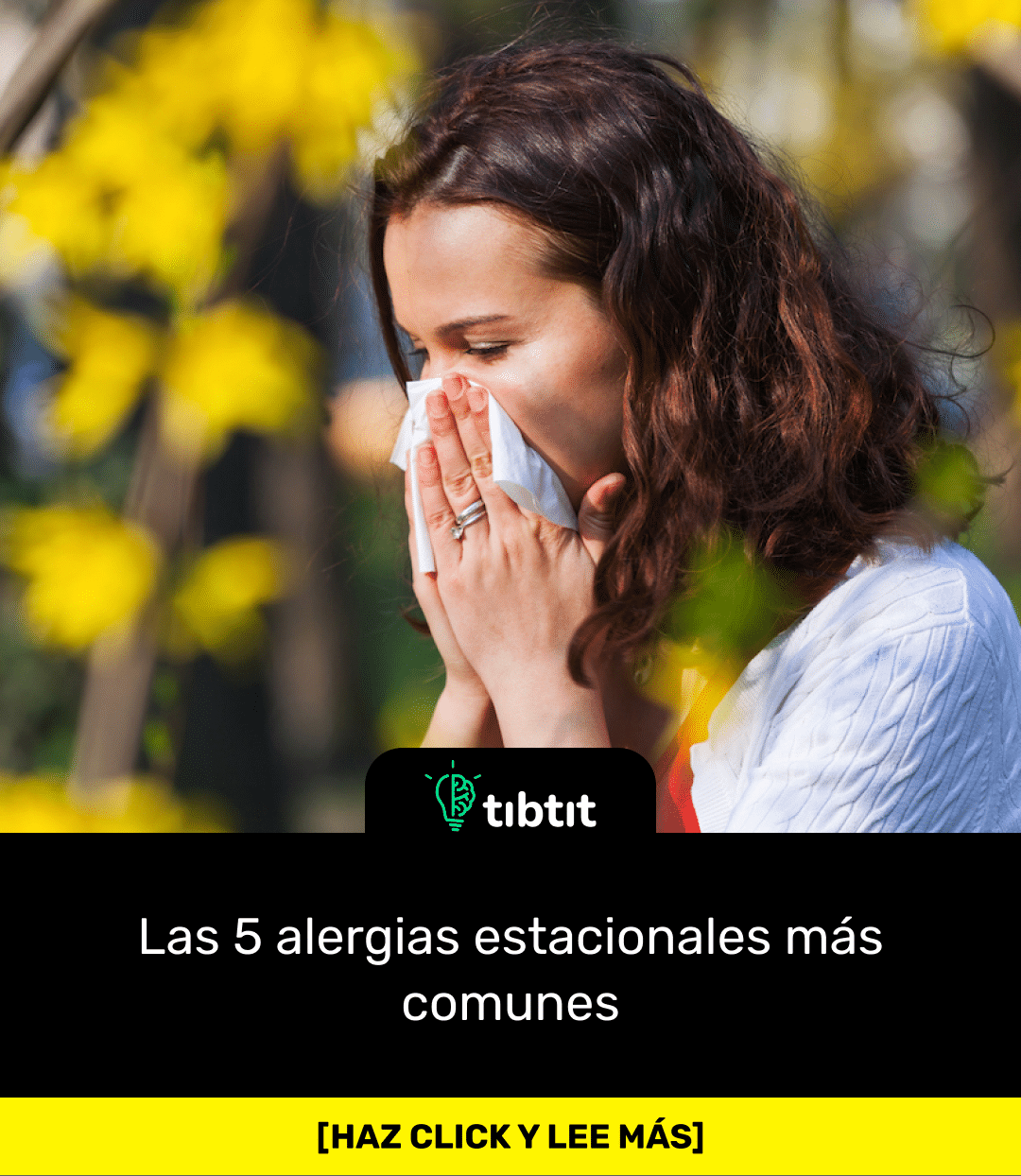
Spring allergies are becoming a longer-lasting challenge for many people, with symptoms often persisting well beyond the traditional pollen season. In regions like Galicia, Spain, where humidity supports dust mite proliferation year-round, allergic reactions are increasingly reported not just in spring but throughout the year. Medical experts note that what was once considered a seasonal inconvenience is now evolving into a more persistent health issue, influenced by environmental changes and individual sensitization patterns.
According to Alicia Cosgaya, an allergist at the Complexo Hospitalario Universitario de A Coruña (CHUAC), the rise in prolonged allergy symptoms is linked to both climate shifts and increased exposure to indoor and outdoor allergens. “Nadie nace siendo alérgico,” she explains, emphasizing that allergies develop only after repeated exposure to a trigger allows the immune system to build sensitivity. This means that even adults who never had allergies as children can develop them later in life, a phenomenon increasingly observed in clinical practice.
The most common triggers in Galicia remain dust mites and pollen, particularly from parietarias and grasses. However, allergists are also identifying less typical reactions, including allergies to cold, sweat, and even mammalian meat following tick bites—a condition known as alpha-gal syndrome. These atypical allergies highlight how environmental and lifestyle factors can unexpectedly alter immune responses, requiring broader diagnostic approaches.
At the Servicio de Alergología in Pontevedra, which serves nearly 300,000 residents across the Hospital Montecelo, Hospital Provincial, and Hospital Público de O Salnés, specialists conduct skin tests, blood analyses, and controlled provocation tests to identify specific allergens. Preventive treatments such as allergen immunotherapy are recommended for patients with severe or long-lasting symptoms, aiming to retrain the immune system over time.
For individuals experiencing worsening or prolonged allergy symptoms, experts recommend tracking symptom patterns, minimizing exposure to known triggers, and consulting an allergist for proper diagnosis. While over-the-counter antihistamines can provide relief, they do not address the underlying immune response. Long-term management often involves a combination of environmental controls, medication, and, in some cases, immunotherapy under medical supervision.
As allergy seasons grow less predictable and symptoms more persistent, public awareness and access to specialized care are becoming increasingly key. Those seeking updates on allergy prevention and treatment can refer to official health advisories from regional health services like Sergas in Galicia or consult accredited allergy clinics for personalized evaluation.
Share your experiences with seasonal allergies in the comments below, and help others find reliable information by passing this article along.
Keep reading