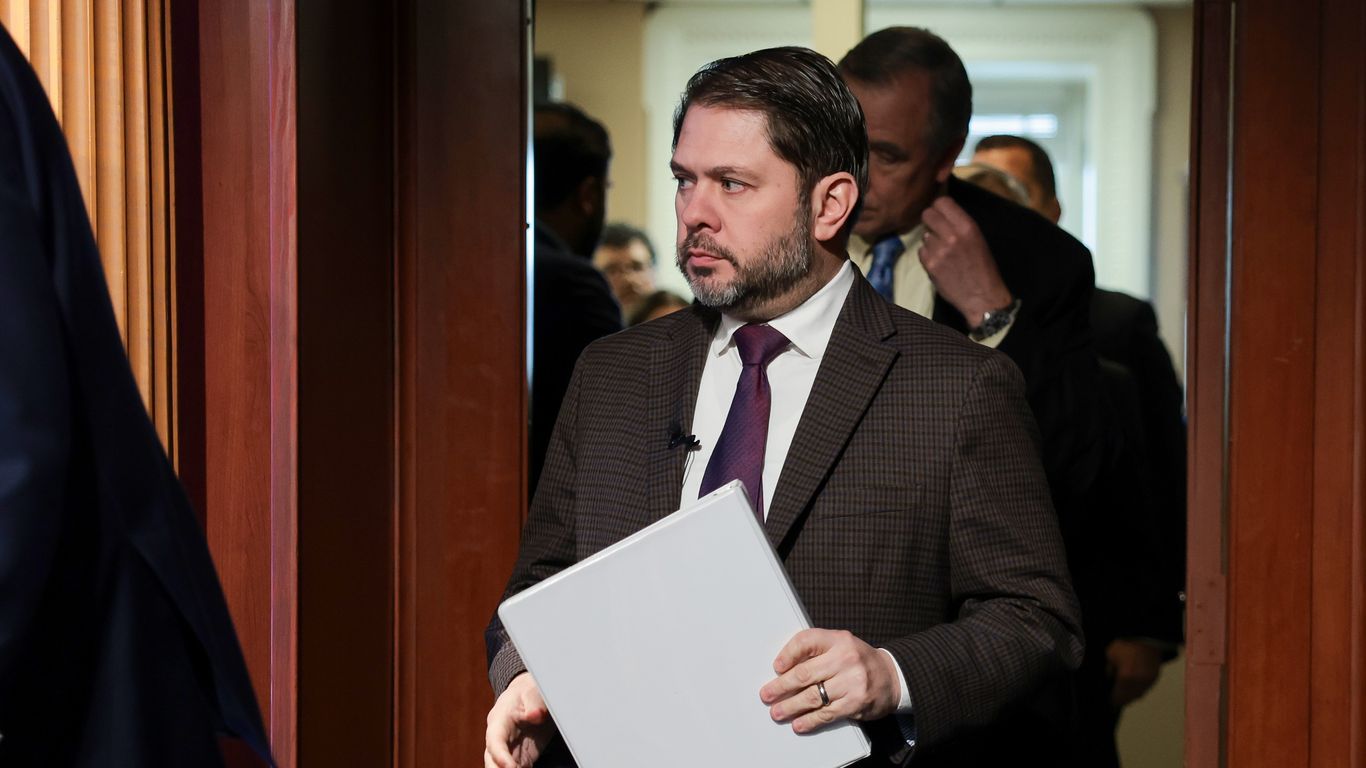
Washington D.C. – As geopolitical tensions continue to drive volatility in global energy markets, Senator Ruben Gallego (D-AZ) is intensifying scrutiny of the Biden administration’s plans to release oil from the Strategic Petroleum Reserve (SPR). The move comes amid rising gasoline prices and ongoing disruptions to oil supply chains stemming from the conflict in the Strait of Hormuz. Gallego’s recent letter to Energy Secretary Chris Wright, formally requesting detailed information about the SPR drawdown, underscores the growing political pressure to address energy costs and ensure supply stability for American consumers.
The situation is particularly acute in Arizona, where residents are experiencing significantly elevated gasoline prices. According to AAA data from March 17, 2026, the national average for gasoline is $3.48 per gallon, but prices in some parts of Arizona are considerably higher. Gallego’s letter, first reported by Axios, seeks clarification on how the SPR release will specifically benefit Arizona and what measures are being taken to mitigate the impact of the crisis on the state’s energy supply. This action highlights the intersection of national security concerns, economic pressures, and domestic political considerations in the current energy landscape.
Strategic Petroleum Reserve Release: A Phased Approach
The Department of Energy (DOE) announced plans for a phased distribution of 172 million barrels of crude oil from the nation’s Strategic Petroleum Reserve. This forms part of a broader coordinated effort with other member governments of the International Energy Agency (IEA) to release a total of 400 million barrels. The DOE has characterized the release as an “exchange,” meaning that companies borrowing oil from the SPR will be required to return it, plus a premium, at a later date. This mechanism, officials claim, will strengthen the reserve while simultaneously stabilizing energy markets without incurring costs for American taxpayers. A request for proposals for the initial 86 million barrels has already been issued.
The Biden administration’s decision to tap the SPR follows a period of market instability triggered by escalating tensions in the Middle East, particularly concerning the critical Strait of Hormuz. This narrow waterway, through which approximately 20% of the world’s crude oil passes, has seen increased disruptions due to the ongoing conflict. The resulting supply concerns have contributed to a surge in oil prices, impacting consumers at the pump and raising fears of broader economic consequences. The administration initially resisted calls to utilize the SPR, but ultimately reversed course in response to mounting pressure from lawmakers and concerns about the potential for sustained price increases.
Political Dynamics and Shifting Positions
The SPR release has sparked a complex political debate, with lawmakers from both sides of the aisle offering varying perspectives. Senator Gallego’s inquiry reflects a broader concern among Democrats about the potential for the crisis to disproportionately affect vulnerable communities and exacerbate economic inequalities. His focus on Arizona’s specific situation underscores the importance of tailoring energy policies to address regional disparities. Gallego is also considered a potential contender for the 2028 Democratic presidential nomination, and his proactive engagement on energy issues could serve to elevate his profile and position him as a leader on this critical policy area.
Interestingly, Republicans, who previously criticized the Biden administration for drawing down the SPR to lower gasoline prices, have largely adopted a more conciliatory tone in response to the current crisis. As reported by E&E News, several GOP senators, including James Lankford (R-OK) and Kevin Cramer (R-ND), who previously expressed reservations about tapping the reserve, have indicated support for the current release, citing the severity of the supply disruption. This shift in position suggests a willingness to prioritize short-term energy security over long-term concerns about the SPR’s integrity. However, some Republicans continue to express skepticism about the effectiveness of the release in meaningfully impacting global oil prices.
Trump Administration Response and Market Expectations
The Trump administration is attempting to reassure the public that gasoline prices will stabilize as the conflict in the Middle East de-escalates. President Trump reportedly told reporters on Friday, March 14, 2026, that U.S. Gasoline prices “are going to arrive tumbling down” once the conflict is resolved. This statement aligns with assessments from top administration officials, who anticipate the war concluding within several weeks. However, these projections remain contingent on the evolving geopolitical situation and are subject to change. The Pentagon, according to Bloomberg Government, estimates the conflict could last up to six weeks.
Despite these assurances, market analysts remain cautious. The uncertainty surrounding the duration and scope of the conflict, coupled with the potential for further disruptions to oil supply, continues to exert upward pressure on prices. The effectiveness of the SPR release in mitigating these pressures will depend on a variety of factors, including the pace of the drawdown, the response of oil producers, and the overall trajectory of the geopolitical situation.
Concerns over Russian Oil and International Dynamics
Adding another layer of complexity to the energy landscape is the recent decision by the Treasury Department to issue a 30-day waiver allowing India to resume purchases of Russian oil. This move, which reversed a previous policy of imposing a 25% tariff on Indian purchases of Russian energy, has drawn criticism from some Democratic lawmakers, including Representatives Sam Liccardo (D-CA) and Senator Ruben Gallego. Liccardo and Gallego argue that the waiver provides a “material benefit to the enemy” and undermines efforts to hold Russia accountable for its actions.
The Treasury Department, under Secretary Scott Bessent, has defended the waiver as a necessary measure to stabilize global oil prices amid the disruptions in the Strait of Hormuz. Officials claim the waiver will not significantly benefit Russia, as it only applies to oil already en route. However, critics contend that any financial support to Russia, even temporary, is counterproductive and could prolong the conflict. Energy Secretary Chris Wright has also defended the temporary exemption, overseeing the Strategic Petroleum Reserve.
The situation highlights the delicate balancing act facing the Biden administration as it seeks to address the energy crisis while simultaneously pursuing its foreign policy objectives. The interplay between geopolitical tensions, economic pressures, and domestic political considerations will continue to shape the energy landscape in the coming weeks and months.
Key Takeaways
- Senator Ruben Gallego is pressing the Energy Department for details on how the SPR release will impact Arizona’s gas prices.
- The DOE is releasing 172 million barrels of oil from the Strategic Petroleum Reserve as part of a wider international effort.
- Republicans have largely shifted their stance on SPR releases, offering support for the current drawdown.
- A controversial Treasury Department waiver allowing India to purchase Russian oil has drawn criticism from some Democrats.
Looking ahead, the situation in the Strait of Hormuz will remain a key focal point. The ongoing conflict and the potential for further disruptions to oil supply will continue to exert pressure on energy markets and influence policy decisions. The next scheduled update from the Department of Energy regarding the SPR release is expected on April 1, 2026, and will provide further details on the implementation of the program. Readers are encouraged to share their thoughts and perspectives on this critical issue in the comments section below.
Related reading