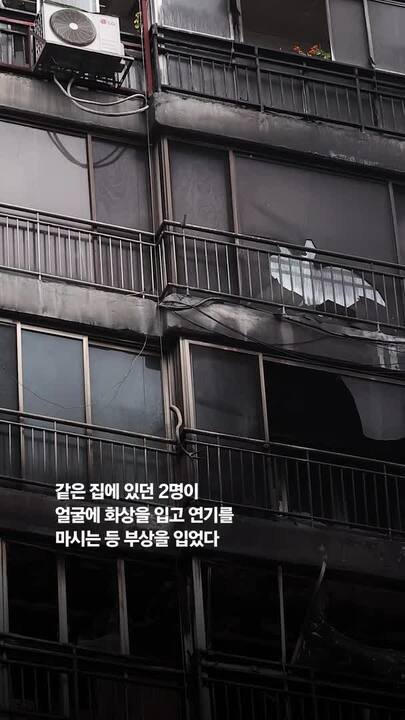
Seoul residents are grappling with the tragic consequences of a recent apartment fire and the logistical challenges that hampered emergency response efforts. A blaze that erupted in the early hours of Tuesday, February 24, 2026, at the 은마 (Eunma) apartment complex in the Gangnam district of Seoul, resulted in one fatality and left three individuals injured. The incident has brought renewed scrutiny to the issue of illegal parking and its potential to obstruct emergency vehicle access, a problem acutely felt in densely populated urban areas like South Korea’s capital.
The fire, which broke out on the 8th floor of the 14-story building around 6:20 AM local time, claimed the life of a teenage girl and injured her mother and another teenage girl, all residents of the same apartment. A 50-year-old resident on an upper floor also sustained injuries from smoke inhalation, according to reports from Korean news outlets. JTBC News, which secured exclusive footage of the scene, documented significant delays in the arrival of fire trucks and ambulances due to extensive double parking in the area surrounding the apartment complex.
Delayed Response Highlights Urban Planning Issues
The footage revealed a chaotic scene, with fire engines and ambulances struggling to navigate the narrow streets blocked by rows of parked cars. Residents, desperate to clear a path for emergency services, were seen physically pushing vehicles out of the way. “We immediately moved our car, but others were unreachable, and people were forced to push cars aside,” one resident told JTBC. This firsthand account underscores the critical impact of seemingly minor infractions – in this case, illegal parking – on the effectiveness of emergency response.
The Eunma apartment complex, completed in 1979, is a sprawling residential area housing over 4,000 households. However, it suffers from a chronic shortage of parking spaces, with a ratio of only 0.7 parking spaces per household. This scarcity, coupled with its location within Seoul’s prestigious “Gangnam 8-hakgun” educational district – known for its proximity to top schools and private academies – exacerbates the parking problem, as families compete for limited spaces. The Korea Daily reports that the lack of underground parking contributes significantly to the ongoing congestion.
Investigation Underway, Calls for Reform
Police and fire authorities are currently investigating the cause of the fire. While the investigation is ongoing, the incident has already sparked a public debate about urban planning, parking regulations, and emergency preparedness in Seoul. The delayed response time raises serious questions about the adequacy of existing infrastructure and the enforcement of parking laws.
The Eunma apartment fire is not an isolated incident. South Korea, like many rapidly urbanizing nations, faces ongoing challenges related to traffic congestion and limited space. The country’s high population density, particularly in major cities like Seoul, puts a strain on infrastructure and often leads to compromises in safety and accessibility. The incident serves as a stark reminder of the potential consequences of prioritizing convenience over public safety.
The Broader Context of Urban Parking Challenges
The issue of illegal parking obstructing emergency vehicle access is a global concern. Cities worldwide struggle to balance the needs of residents and businesses with the imperative of ensuring swift and unimpeded access for emergency services. Strategies to address this challenge range from stricter enforcement of parking regulations and increased fines to the implementation of smart parking technologies and the development of more comprehensive urban planning policies.
In Seoul, the city government has been exploring various solutions to alleviate parking shortages, including the construction of additional parking facilities and the promotion of public transportation. However, the scale of the problem and the rapid pace of urbanization continue to pose significant challenges. The Eunma apartment fire may serve as a catalyst for more decisive action, prompting a reevaluation of existing policies and a renewed commitment to prioritizing public safety.
The fire also highlights the importance of community involvement in emergency preparedness. The residents of the Eunma apartment complex demonstrated remarkable resilience and a willingness to facilitate one another in a crisis. Their efforts to clear a path for emergency vehicles, while commendable, underscore the need for better coordination and communication between residents and emergency services.
Impact on Residents and the Community
The tragedy has deeply affected the residents of the Eunma apartment complex and the wider Gangnam community. The loss of a young life is a devastating blow, and the injuries sustained by others will have lasting consequences. The incident has also raised concerns about the safety and security of residents in high-density urban environments.
The Seoul Metropolitan Government has pledged to review emergency response protocols and to work with local communities to identify and address potential hazards. This includes conducting comprehensive assessments of parking conditions in residential areas and implementing measures to improve emergency vehicle access. The government has also announced plans to increase public awareness campaigns on the importance of adhering to parking regulations and the potential consequences of obstructing emergency services.
The JoongAng Ilbo reported that approximately 70 residents were evacuated from the building following the fire. Firefighters extinguished the blaze by 7:36 AM, roughly an hour and a half after the initial emergency call. The investigation into the fire’s origin is ongoing, and authorities are expected to release their findings in the coming weeks.
Key Takeaways
- A fire at the Eunma apartment complex in Seoul resulted in one fatality and three injuries.
- Delayed emergency response was attributed to extensive double parking obstructing access for fire trucks and ambulances.
- The incident highlights the challenges of urban planning and parking management in densely populated cities.
- Authorities are investigating the cause of the fire and reviewing emergency response protocols.
- The tragedy underscores the importance of community involvement in emergency preparedness.
As Seoul continues to grow and evolve, addressing the challenges of urban planning and emergency preparedness will be crucial to ensuring the safety and well-being of its residents. The Eunma apartment fire serves as a sobering reminder of the potential consequences of neglecting these critical issues. The next update from the Seoul Metropolitan Police Agency regarding the fire’s cause is expected by March 10, 2026. We encourage readers to share their thoughts and experiences in the comments section below.
Worth a look