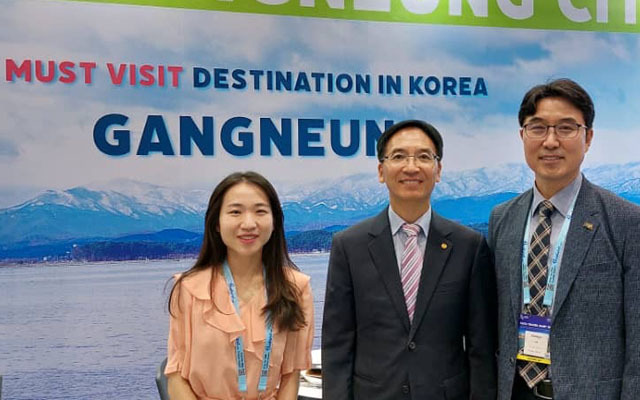
Ensuring the intersection of public health and commercial viability is a cornerstone of urban stability, particularly in cities that rely heavily on tourism and local commerce. In a strategic move to elevate sanitary standards and support small business owners, Gangneung City has announced the expansion and additional recruitment phase of its 2026 Food and Public Health Establishment Environmental Improvement Support Project.
The initiative is designed to provide financial assistance to local businesses for the renovation of aging facilities, focusing on critical hygiene infrastructure. By subsidizing the modernization of food service and public health establishments, the city aims to protect consumer health while simultaneously enhancing the competitiveness of its local business landscape.
This expansion comes as a direct response to a recent amendment in the Gangneung City and Gangwon Special Self-Governing Province ordinances, which have broadened the criteria for eligibility. The city is now actively seeking applications from business owners in sectors that did not meet their initial recruitment quotas during the first round of applications in March.
Expanding the Scope of Public Health Support
The 2026 Environmental Improvement Support Project is not merely a financial grant but a public health intervention. In the context of food and public health businesses—which include restaurants, cafes, bakeries, and various beauty and lodging services—the physical environment plays a decisive role in preventing the spread of foodborne illnesses and infectious diseases.
Under the expanded guidelines, the project targets establishments that require urgent facility upgrades to meet modern sanitary codes. This includes the replacement of outdated flooring, wall repairs to prevent mold and pest infiltration, and the modernization of plumbing and ventilation systems. Such improvements are critical in reducing cross-contamination risks in kitchens and ensuring a sterile environment in public health establishments like barbershops and salons.
By widening the eligibility net, Gangneung City is ensuring that a more diverse range of small-scale entrepreneurs can access the funds necessary to maintain high hygiene standards without bearing the full financial burden of structural renovations.
The Impact of the Gangwon State Ordinance Change
The shift in the program’s reach is rooted in the legal restructuring within the Gangwon Special Self-Governing Province. The updated ordinance reflects a more inclusive approach to “public health businesses,” recognizing that the definition of hygiene-critical establishments has evolved alongside modern consumer habits and health regulations.
Previously, certain niche businesses may have fallen outside the narrow definitions of the support project. The revised mandate allows the city to allocate resources more flexibly, ensuring that any establishment that directly impacts public hygiene can apply for support. This legal pivot allows Gangneung to synchronize its local health policies with broader provincial goals of improving the quality of life and safety for both residents and visitors.
From a medical perspective, this systemic update is vital. As a physician, I have seen how structural deficiencies in commercial kitchens or salons—such as porous surfaces or inadequate drainage—can become reservoirs for pathogens. Legislative changes that incentivize the removal of these hazards are a primary prevention strategy in public health.
Application Details and Recruitment Process
Because the initial recruitment phase in March saw a shortfall in certain industry categories, Gangneung City has opened an additional window for applications. This is a critical opportunity for business owners who may have missed the first deadline or who only recently became eligible due to the ordinance changes.
Eligible applicants are encouraged to submit their documentation through the official channels provided by the city administration. The application process typically requires proof of business registration, a detailed plan for the intended environmental improvements, and an estimate of the costs involved. The city will evaluate these applications based on the urgency of the repairs and the potential impact on public hygiene.
For the most current application forms, specific deadlines for the additional recruitment phase, and a full list of eligible business types, owners should visit the “General Announcements and Notices” section of the Gangneung City official website. The city has emphasized that support will be provided on a first-come, first-served basis or based on priority scoring until the allocated budget for the 2026 fiscal year is exhausted.
Key Areas of Improvement Covered by the Project
While specific grants vary based on the scale of the business, the project generally focuses on the following high-impact areas:
- Surface Modernization: Installation of non-porous, easy-to-clean flooring and wall cladding to prevent bacterial growth.
- Waste and Water Management: Upgrading sinks, grease traps, and drainage systems to ensure proper sanitation and prevent odors.
- Air Quality and Ventilation: Installation or repair of exhaust hoods and ventilation systems to remove airborne contaminants and maintain temperature control.
- Sanitary Partitioning: Creating clear separations between food preparation areas and customer zones to minimize contamination.
Why Environmental Improvement Matters for Global Tourism
Gangneung has positioned itself as a destination for wellness and healing, making the hygiene of its commercial establishments a matter of brand integrity. When a city markets itself as a center for health, the physical reality of its restaurants and spas must mirror that promise. A single high-profile hygiene failure can undermine years of tourism branding.
the global trend in tourism is shifting toward “conscious travel,” where visitors prioritize health, safety, and sustainability. By investing in the environmental improvement of its food and public health sectors, Gangneung is not just helping local business owners; it is future-proofing its economy against the rising expectations of international travelers.
The integration of these grants into a broader economic strategy suggests that the city views public health as an economic asset. When businesses are clean, safe, and modern, they attract more customers, employ more people, and contribute more robustly to the local tax base.
Medical Insight: The Link Between Infrastructure and Public Health
In my experience in internal medicine and public health, the “built environment” is often the most overlooked variable in disease prevention. In food service, for instance, the difference between a stainless-steel surface and a cracked tile can be the difference between a successful cleaning cycle and a persistent biofilm of Listeria or Salmonella.

Similarly, in public health businesses like nail salons or hair clinics, the ability to properly sterilize tools and manage chemical waste depends entirely on the facility’s plumbing and ventilation. When a city provides the financial means to upgrade these facilities, it is effectively reducing the community’s overall burden of preventable infections.
This project serves as a model for how municipal governments can use financial incentives to drive health outcomes. Rather than relying solely on punitive inspections and fines, providing a pathway for improvement fosters a collaborative relationship between the regulator and the business owner, leading to more sustainable compliance.
Summary of Project Goals
| Objective | Action | Expected Outcome |
|---|---|---|
| Hygiene Enhancement | Subsidizing facility renovations | Reduction in foodborne/infectious risks |
| Legal Compliance | Aligning with new state ordinances | Standardized sanitary conditions city-wide |
| Economic Support | Reducing renovation costs for SMEs | Increased business competitiveness |
| Tourism Quality | Modernizing customer-facing areas | Improved visitor satisfaction and safety |
As Gangneung continues to implement these measures, the focus will likely shift toward monitoring the long-term impact of these renovations. The city is expected to conduct follow-up inspections to ensure that the funds were used effectively and that the improvements have led to a measurable increase in sanitary scores across the participating establishments.
The next confirmed checkpoint for this initiative will be the announcement of the final selection results for the additional recruitment phase, which will be posted on the city’s official portal. Business owners are encouraged to monitor these updates closely to ensure they meet all submission requirements.
Do you own a business in Gangneung or have you noticed the impact of urban hygiene initiatives in your own city? Share your thoughts in the comments below or share this article with other local entrepreneurs.