
Malaysia is preparing for a significant seasonal shift as the country enters the Southwest Monsoon period, a transition that typically brings a marked reduction in rainfall and an increase in dry days across the region.
The Malaysian Meteorological Department (MetMalaysia) has announced that the Southwest Monsoon is expected to begin on May 14 and will persist through September. This period is characterized by consistent winds blowing from the southwest, which generally lead to lower humidity levels and reduced cloud formation over most parts of the country.
While the overarching trend for the coming months is one of drier weather, officials have cautioned that this does not mean a total absence of volatile weather. Residents and travelers should remain alert for localized intense weather events, particularly in coastal and northern regions, as the monsoon interacts with regional wind patterns.
The Mechanics of the Dry Season and Regional Risks
According to Dr Mohd Hisham Mohd Anip, the director-general of MetMalaysia, the reduction in cloud cover will lead to fewer rainy days nationwide. However, the department highlighted that heavy rain, accompanied by thunderstorms and strong winds, remains a possibility in specific geographic zones.
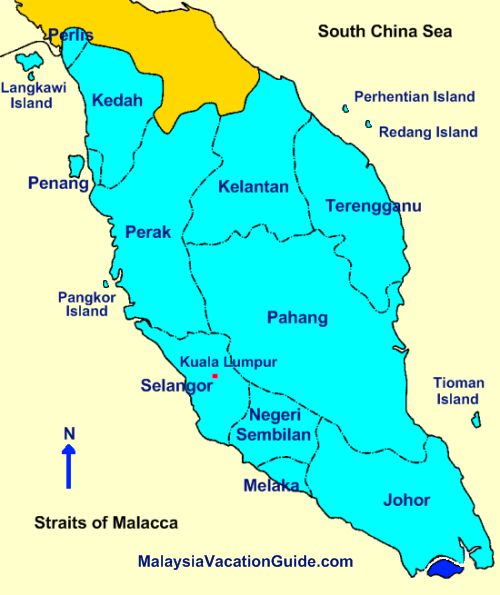
The areas most susceptible to these sudden weather shifts include the western portions of Peninsular Malaysia, northern Sarawak, and western Sabah. These regions are particularly vulnerable during the early morning hours due to the formation of squall lines.
These squall lines are meteorological phenomena that form over the Straits of Malacca and the eastern South China Sea. Driven by wind convergence, these lines move inland and can persist for several hours, bringing sudden, heavy precipitation and gusty winds that can disrupt morning commutes and outdoor activities.
Environmental Concerns: Haze and Water Conservation
Beyond the immediate weather patterns, the Southwest Monsoon brings secondary environmental challenges that require public cooperation. Dr Mohd Hisham noted that during the peak of the monsoon, which typically spans from July to September, there is an increased risk of both localised and trans-boundary haze.

Haze in the region is often exacerbated by open burning activities. Because the air is drier and wind patterns are consistent, smoke from agricultural or land-clearing fires can linger or be transported across borders, severely affecting air quality. To mitigate this risk, MetMalaysia has strongly advised the public to avoid all forms of open burning throughout the season.
The anticipated decrease in rainfall also poses a challenge to water security. With fewer rainy days to replenish reservoirs and groundwater, the government is encouraging citizens to practice water conservation. Proactive water management is seen as essential to prevent shortages during the driest months of the monsoon cycle.
Staying Informed: Official Resources and Alerts
As the weather patterns shift, MetMalaysia is urging the public to rely on official channels for real-time updates to avoid misinformation and ensure safety during squall events.
The public can access the latest weather information and warnings through several official avenues:
- The official MetMalaysia website.
- The myCuaca mobile application for localized alerts.
- Official social media channels managed by the department.
- The dedicated weather hotline at 1-300 22 1638.
By monitoring these tools, residents in high-risk areas—particularly in western Peninsular Malaysia, northern Sarawak, and western Sabah—can better prepare for the early morning squall lines that characterize this period.
The next critical checkpoint for the region will be May 14, the official expected start date of the Southwest Monsoon, when meteorological stations will begin tracking the shift in wind direction and humidity levels.
Do you have tips for managing water conservation during the dry season, or are you monitoring air quality in your area? Share your thoughts and experiences in the comments below.
Worth a look