Global markets are reacting sharply to escalating tensions in the Middle East following attacks in Iran and surrounding nations, sending shockwaves through energy markets and triggering a sell-off in European stocks. The price of natural gas has surged, exacerbating concerns about energy security and fueling inflationary pressures. The IBEX 35, Spain’s benchmark stock index, experienced a significant downturn on Monday, mirroring similar declines across the continent as investors grapple with the potential for a wider regional conflict.
The immediate catalyst for the market turmoil was a series of attacks attributed to the United States and Israel targeting Iranian interests. These actions have raised fears of retaliatory strikes and a broader escalation of hostilities, particularly given Iran’s strategic importance in global energy supply chains. The situation is further complicated by the involvement of regional powers and the potential for proxy conflicts to intensify. The volatility underscores the interconnectedness of geopolitical events and their impact on financial markets, highlighting the sensitivity of investors to perceived risks in key regions.
The energy sector is at the forefront of the market response. Brent crude oil prices have climbed substantially, reaching $77 per barrel, though still below the peak seen during earlier Asian trading hours. This increase in oil prices is directly impacting airline stocks and banking sectors, as higher fuel costs squeeze profit margins and raise concerns about economic slowdown. The disruption to oil supplies, even if temporary, adds to existing inflationary pressures and complicates the task for central banks seeking to maintain price stability. The situation is particularly acute given the recent explosions reported in the United Arab Emirates, Kuwait, Qatar, and Bahrain – all critical transit points for global oil shipments.
IBEX 35 Plummets Amidst Geopolitical Uncertainty
The IBEX 35 closed down 2.6% on Monday, falling to 17,878 points, marking its largest single-day decline since April. This downturn reflects investor anxieties about the potential economic consequences of a prolonged conflict in the Middle East. Other major European indices also experienced significant losses, with the German DAX falling 2.5% and the Eurostoxx 50 dropping by the same margin. The CAC in France saw a 2.2% decline. While Wall Street initially showed signs of weakness, the S&P 500 managed to rebound slightly from its intraday lows, closing down just 0.3%, and the Nasdaq gained 0.1%.
Within the IBEX 35, IAG (International Airlines Group), the parent company of British Airways and Iberia, suffered the most significant losses, plummeting 5.4%. Inditex and Amadeus also experienced substantial declines, falling 4.5% each. However, Repsol, Spain’s leading oil and gas company, bucked the trend, surging 4.13% as investors anticipated increased profits from higher oil prices. Cellnex also saw a modest gain, rising 1.09%. This divergence highlights the sector-specific impacts of the crisis, with energy companies benefiting from the increased oil prices while travel and tourism-related businesses face headwinds.
February had been a positive month for the IBEX 35, with a cumulative gain of 2.68%, marking eight consecutive months of growth. However, the recent geopolitical developments have erased those gains and cast a shadow over the outlook for the Spanish stock market. The index had previously reached record highs, touching 18,573.80 points intraday, but the current crisis has dampened investor sentiment and triggered a flight to safety.
Natural Gas Prices Soar Following Qatar Production Halt
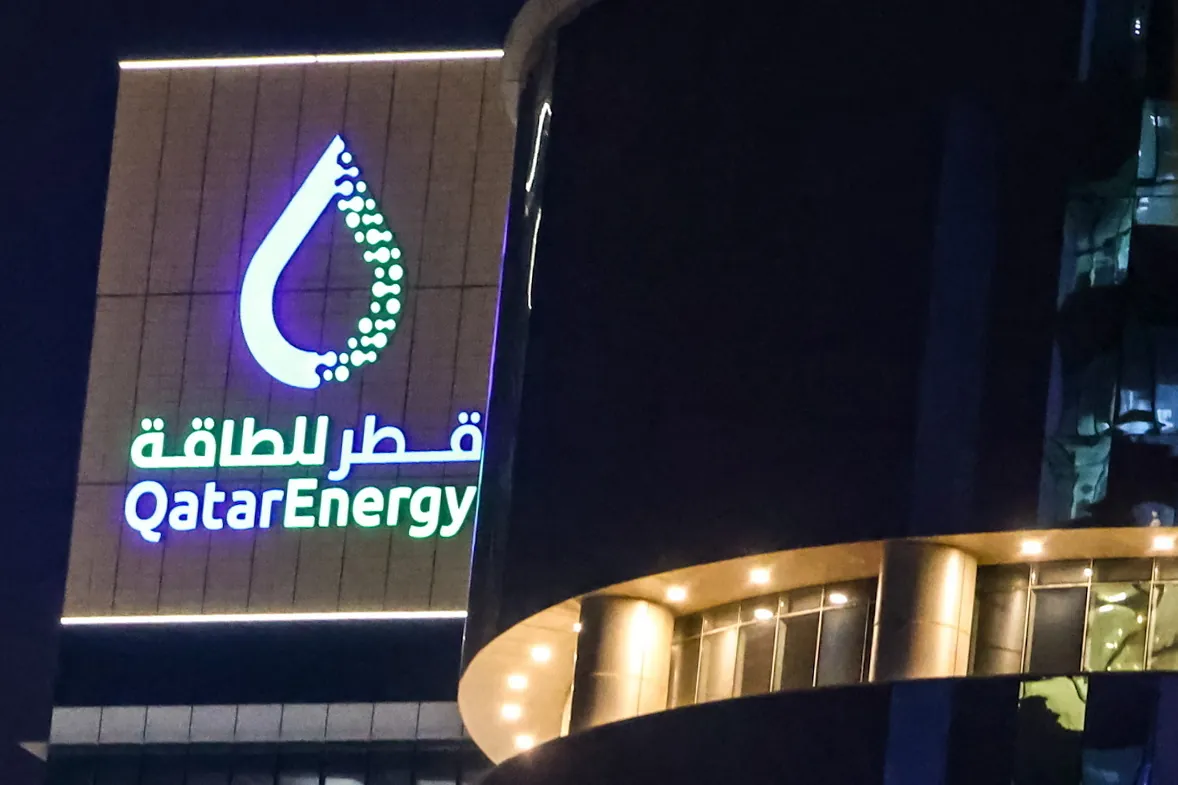
The impact of the escalating tensions extends beyond oil markets, with natural gas prices experiencing a dramatic surge. Reports indicate that the price of natural gas in Europe has risen by nearly 40% following the reported paralysis of production in Qatar. EL PAÍS reports that this disruption is a direct consequence of the regional instability and the potential for further attacks. Qatar is a major exporter of liquefied natural gas (LNG), and any significant disruption to its production capacity could have severe consequences for European energy supplies, particularly as the continent seeks to reduce its reliance on Russian gas.
The situation in Qatar is particularly concerning as it comes during a period of already tight global energy markets. The disruption to LNG production could exacerbate existing shortages and drive up prices further, potentially leading to energy rationing and economic hardship. European governments are scrambling to secure alternative sources of natural gas, but options are limited, and costly. The crisis underscores the vulnerability of energy supply chains to geopolitical shocks and the importance of diversifying energy sources.
Broader Market Implications and Analyst Perspectives
Analysts at Renta 4 are warning of a period of “volatility and uncertainty” for financial markets, predicting that the conflict in the Middle East could last for approximately four weeks, with the aim of neutralizing threats and potentially instigating a regime change. As reported by Finanzas.com, this scenario adds to the existing geopolitical risks and complicates the outlook for global economic growth. The focus will be on whether a new leadership emerges in Iran, whether the conflict escalates further, or whether diplomatic efforts can de-escalate the situation.
While European nations are advocating for restraint and negotiation, Germany, France, and the United Kingdom have signaled their willingness to take action to curb Iran’s military capabilities. China and Russia, traditional allies of Tehran, are calling for de-escalation but have remained largely on the sidelines. This geopolitical alignment adds another layer of complexity to the crisis and makes it tricky to predict the ultimate outcome. The potential for miscalculation and unintended consequences is high, and the risk of a wider regional conflict remains a significant concern.
The transportation sector is also bracing for impact. El Mundo reports that trucking companies are warning of increased transportation costs due to the rising price of crude oil, which will likely translate into higher prices for consumers. The disruption to supply chains and the increased cost of transportation could further exacerbate inflationary pressures and dampen economic activity.
Key Takeaways
- The IBEX 35 experienced a significant decline, mirroring broader European market losses, due to escalating tensions in the Middle East.
- Natural gas prices have surged following reports of production disruptions in Qatar, raising concerns about energy security.
- Oil prices have increased, benefiting energy companies but negatively impacting airline and banking sectors.
- Analysts predict a period of volatility and uncertainty for financial markets, with the potential for a prolonged conflict.
- The crisis underscores the vulnerability of global supply chains to geopolitical shocks.
Looking ahead, investors will be closely monitoring developments in the Middle East and assessing the potential for further escalation. The next key event to watch will be any official statements from the involved parties regarding de-escalation efforts or potential retaliatory actions. The situation remains fluid and highly uncertain, and market volatility is likely to persist in the coming days and weeks. We encourage our readers to share their perspectives and engage in constructive discussion in the comments section below.
Worth a look
- RFK Jr. Memoir: The Reasoning Behind His Era’s Major Decisions
- L’Argentine ouvre la voie aux salaires en dollars américains : la Banque centrale autorise …
- Cubans Face Surge in Deportation Orders in Florida (archynewsy.com)
- US-Iran Conflict Escalates: Air Strikes and Military Casualties in Middle East (world-today-news.com)