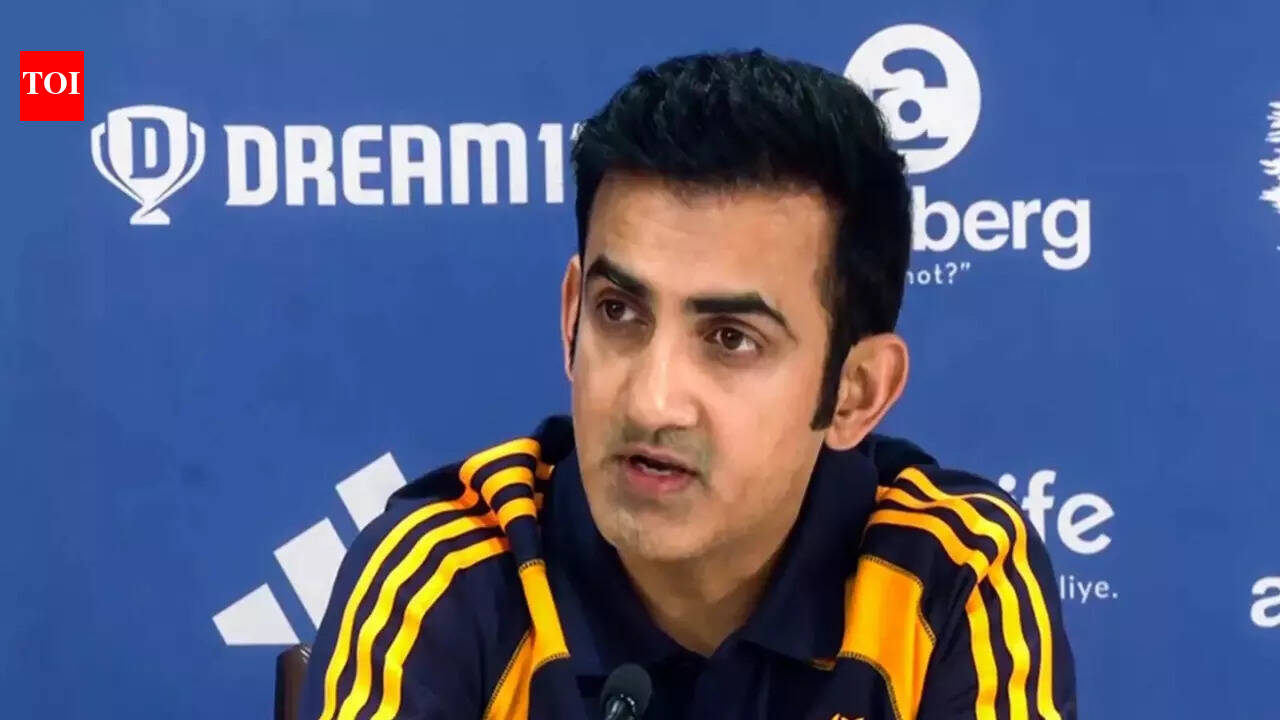
New Delhi – Gautam Gambhir, the head coach of the Indian men’s cricket team and a former Member of Parliament, has initiated legal proceedings in the Delhi High Court to combat the growing misuse of his identity through artificial intelligence (AI)-generated deepfakes and unauthorized commercial exploitation. The lawsuit, filed on Thursday, seeks to protect his personality rights and prevent the circulation of fabricated content that falsely attributes statements and actions to him.
The escalating prevalence of AI-powered deepfake technology has become a significant concern for public figures globally, and Gambhir’s case underscores the legal challenges posed by this rapidly evolving technology. The lawsuit isn’t simply about protecting a public image; it’s about safeguarding against deliberate misinformation and the potential for reputational damage in an era where distinguishing between reality and fabrication is becoming increasingly challenging. This case is expected to set a precedent for how Indian courts address the legal ramifications of deepfake technology and the protection of individual rights in the digital age.
Gambhir’s petition names 16 defendants, encompassing a wide range of entities believed to be involved in the creation and dissemination of the offending content. These include specific social media accounts identified as sources of deepfakes – JanKey Frames, Bhupendra Paintola, Legends Revolution, gustakhedits, cricket_memer45, GemsOfCrickets, Crickaith, Sunny Upadhyay, and @imRavY_ – as well as major e-commerce platforms like Amazon and Flipkart, and prominent tech companies such as Meta Platforms (Facebook), X Corp. (formerly Twitter), and Google (YouTube). The Ministry of Electronics & Information Technology and the Department of Telecommunications have also been included as parties to facilitate the enforcement of any court orders issued in the case. The Economic Times reported on the filing.
The Rise of AI-Generated Misinformation
The lawsuit details a concerning surge in fabricated digital content since late 2025, created using AI tools capable of face-swapping and voice cloning. These deepfakes allegedly depict Gambhir making statements he never uttered, including a fabricated resignation announcement and misrepresented remarks concerning senior cricketers. According to the petition, these videos have garnered hundreds of thousands of views, potentially misleading the public and damaging his reputation. The proliferation of such content highlights the increasing sophistication and accessibility of AI technology, and the challenges it presents to verifying information online. The Federal reported that Gambhir stated his identity had been “weaponised” by anonymous accounts.
Seeking Legal Recourse and Damages
Gambhir is seeking a permanent injunction from the Delhi High Court to prevent the defendants from using his name, image, voice, or persona without his explicit consent. He has also requested an immediate ex-parte ad-interim injunction to compel the removal of existing deepfake content and halt its further circulation whereas the case is under consideration. In addition to injunctive relief, the petition seeks damages of Rs 2.5 crore (approximately $300,000 USD as of March 19, 2026) and a full accounting of profits derived from the unauthorized use of his identity. This demand for financial compensation reflects the potential economic harm caused by the misuse of his likeness and the demand to deter similar actions in the future.
The legal basis for Gambhir’s claim rests on several key provisions of Indian law, including the Copyright Act, the Trade Marks Act, and the Commercial Courts Act. The petition also cites judicial precedents that recognize the enforceability of personality and publicity rights, even in cases involving AI-driven misuse. These rights, which protect an individual’s control over the commercial exploitation of their identity, are gaining increasing recognition in legal systems worldwide as technology blurs the lines between reality and representation. The case is expected to provide further clarity on the scope and application of these rights in the Indian context.
Commercial Exploitation and Unauthorized Merchandise
Beyond the creation of misleading videos, Gambhir alleges that his identity has been exploited for commercial gain through the sale of unauthorized merchandise on e-commerce platforms. He claims that this merchandise is being sold without his permission or any valid licensing agreements, infringing upon his intellectual property rights and depriving him of legitimate revenue. This aspect of the lawsuit highlights the broader economic implications of deepfake technology and the need for robust legal frameworks to protect individuals and businesses from unauthorized commercial exploitation. The inclusion of Amazon and Flipkart as defendants underscores the responsibility of e-commerce platforms to monitor and prevent the sale of counterfeit or infringing products on their sites.
The lawsuit also highlights the challenges of identifying and pursuing the creators of deepfake content, who often operate anonymously or through shell accounts. By naming a wide range of defendants, including social media platforms and intermediaries, Gambhir is seeking to hold all parties involved in the dissemination of the offending content accountable for their actions. This approach reflects a growing recognition that combating deepfakes requires a multi-faceted strategy involving legal action, technological solutions, and increased public awareness.
The Broader Implications for Digital Rights
Gautam Gambhir’s legal battle is not merely a personal dispute; it represents a broader struggle to define and protect digital rights in the age of artificial intelligence. The proliferation of deepfakes poses a significant threat to individual reputations, public trust, and democratic processes. As AI technology continues to advance, the ability to create realistic and convincing forgeries will only become more sophisticated, making it increasingly difficult to distinguish between genuine and fabricated content. Storyboard18 noted that Gambhir’s case highlights the need for legal frameworks to address the misuse of personality rights in the digital realm.
The outcome of this case will likely have far-reaching implications for the legal landscape surrounding deepfakes and digital identity. It could establish important precedents for holding individuals and platforms accountable for the creation and dissemination of fabricated content, and for protecting the rights of individuals to control their own image and likeness. As AI technology continues to evolve, It’s crucial that legal frameworks adapt to address the challenges it poses and ensure that individuals are not harmed by its misuse.
The matter is scheduled to be heard in the Delhi High Court in the coming days, where the court will consider Gambhir’s request for interim relief. The proceedings are expected to attract significant attention from legal experts, technology companies, and the public, as they could shape the future of digital rights and the fight against misinformation.
What happens next? The Delhi High Court will first consider Gambhir’s request for an interim injunction, which, if granted, would immediately halt the circulation of the deepfake content. The court will then schedule a full hearing to consider the merits of the case and determine whether to issue a permanent injunction and award damages. The timeline for these proceedings remains uncertain, but the case is expected to be closely watched by stakeholders across the legal and technology sectors.
Do you think stronger regulations are needed to combat the spread of deepfakes? Share your thoughts in the comments below. And please share this article with your network to raise awareness about this important issue.
Worth a look