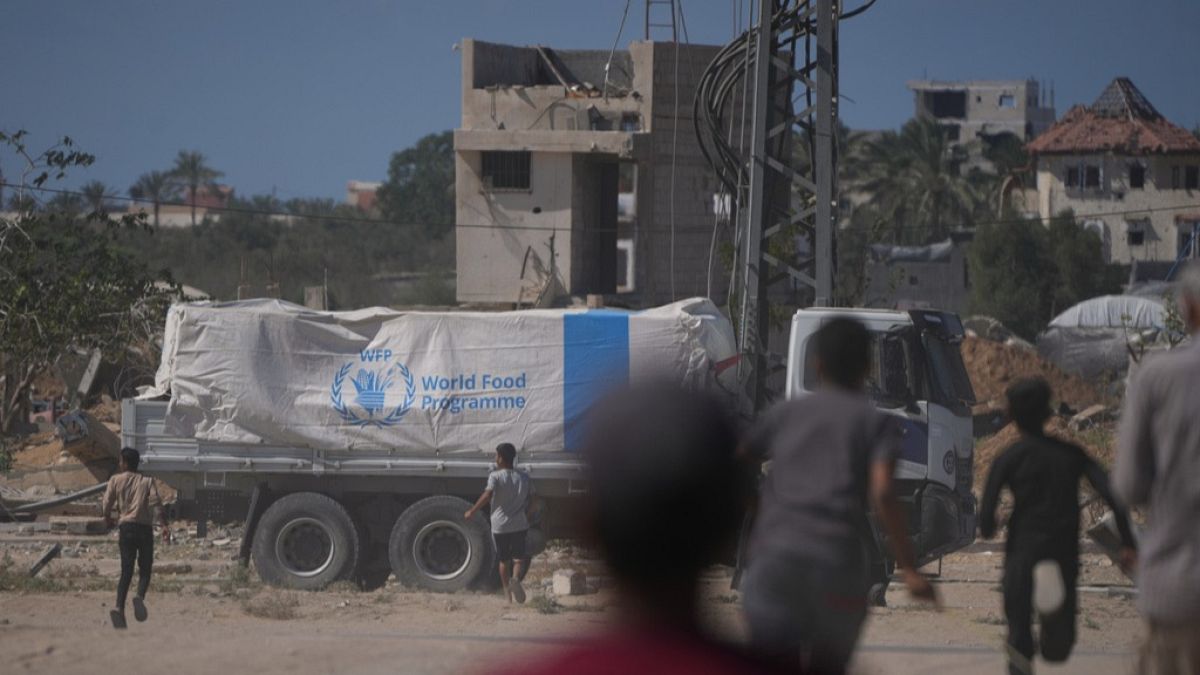
Aid Resumes Flowing into Gaza, But at Reduced Levels – Ceasefire Deal Faces Early challenges
Humanitarian aid has cautiously resumed entering Gaza via the Rafah border crossing from Egypt, following a two-day pause linked to hostage and prisoner exchanges. However, the volume of assistance is significantly lower than stipulated in the recently brokered ceasefire agreement, raising concerns among aid organizations and casting a shadow over the fragile truce.
Recent Developments:
* A convoy of 400 trucks, carrying vital supplies, crossed into Gaza on Wednesday, according to the Egyptian Red Crescent.
* This shipment included approximately 5,700 tonnes of food and flour, over 1,400 tonnes of medical supplies, and around 2,500 tonnes of fuel.
* Footage from Egyptian state broadcasters showed the convoys proceeding through the Rafah crossing.
* These trucks are currently headed to the Kerem Shalom crossing for Israeli inspection before entering Gaza.
The Ceasefire Agreement and Aid commitments
The initial phase of the ceasefire, facilitated by the United States, aimed to restore aid deliveries to pre-war levels – approximately 600 trucks daily. This commitment was intended to address the dire humanitarian crisis unfolding within the Gaza Strip. Regrettably, the current reality falls far short of this goal.
Discrepancies and Concerns
COGAT, the Israeli defense body responsible for overseeing aid distribution, has authorized only half the agreed-upon number of trucks per day. This reduction has sparked questions about israel’s commitment to the ceasefire terms. It remains unclear whether this is a temporary adjustment or a deliberate attempt to exert pressure on hamas.
Israel’s Stated Reasons for Reduction
Israel has publicly expressed frustration with the pace of hostage releases, specifically alleging that Hamas was delaying the return of the remains of deceased hostages. threats were made to curtail aid deliveries and potentially close the Rafah crossing if the releases didn’t accelerate. the original agreement stipulated the release of all 20 living hostages and the remains of 28 deceased individuals by monday.
Humanitarian Impact and Calls for Action
Humanitarian organizations are urgently calling on Israel to fully adhere to the terms of the ceasefire agreement and allow the entry of the promised 600 trucks daily. You should understand that the current level of aid is insufficient to meet the critical needs of Gaza’s 2 million residents, who have endured months of deprivation.
These groups emphasize that restricting aid flow constitutes a severe violation of international humanitarian law. Prior to the ceasefire, Israel had already limited aid deliveries as a tactic to pressure Hamas, a move widely condemned as a potential war crime.
Looking Ahead
The situation remains fluid and requires close monitoring. Your support for organizations working on the ground is crucial. The full implementation of the ceasefire agreement, including the unrestricted flow of humanitarian aid, is essential to alleviate the suffering of the civilian population in Gaza and build a foundation for lasting peace.
Additional Facts:
This report is based on information from the Associated Press and observations of the evolving situation on the ground.