Gaza‘s Escalating Hunger Crisis: A Systemic Breakdown of Aid adn Access
The situation in Gaza has deteriorated to a catastrophic level, marked by widespread hunger and a near-total collapse of essential services.Recent reports detail a deeply concerning rise in starvation-related deaths, alongside systemic obstacles preventing aid from reaching those most in need. This isn’t simply a matter of insufficient food; it’s a complex crisis fueled by disrupted infrastructure, financial barriers, and the realities of ongoing conflict.
The Human Cost: Rising Deaths and Desperate measures
Gazan health authorities report a harrowing increase in deaths directly attributed to hunger. This week alone, four individuals, including a child, succumbed to starvation, bringing the total death toll from hunger to a staggering 440. These numbers represent not just statistics, but individual tragedies within a population pushed to the brink.
The crisis is compounded by the fact that even when food is available, accessing it is a monumental challenge.
Disrupted Lifelines: Telecommunications & Financial Access
Israel’s intermittent disruptions to Gaza’s internet and phone networks are having a devastating ripple effect. These cuts aren’t merely inconveniences; they’re actively paralyzing the digital payment systems that many Palestinians rely on due to a severe cash shortage.
* Remittance Blockage: Families dependent on financial support from relatives abroad are unable to withdraw funds, effectively cutting off a vital lifeline for purchasing food.
* Digital Dependence: The reliance on digital payments, born out of necessity, has now become a critical vulnerability. When the networks fail, so does the ability to secure basic necessities.
* daily Struggle: As one resident, Mr. al-Rai, poignantly states, “When the internet goes down, we can’t buy food. All we think about is how to eat? How to drink?”
Aid Distribution: A Patchwork of Insufficient Support
Charitable organizations like World Central kitchen are working tirelessly, but their efforts are severely constrained. Resources are stretched thin, and the influx of displaced people is overwhelming existing capacity.
* Limited Reach: In displacement camps like Shurrab in deir al-Balah, a single pot of food from World Central Kitchen is expected to feed 50 families. This is primarily for those displaced before the current offensive, leaving newer arrivals largely unsupported.
* Unequal Distribution: Camp representatives,like Um Mohammad,are forced to make unachievable choices,rationing already meager supplies and prioritizing the most vulnerable. She’s seen her ability to provide even a single plate per family threatened by the growing population.
* A Lottery of Survival: For families like the al-Rai’s, securing food has become a daily gamble, dependent on luck and the generosity of others.
The Cost of Displacement: A Cycle of Loss
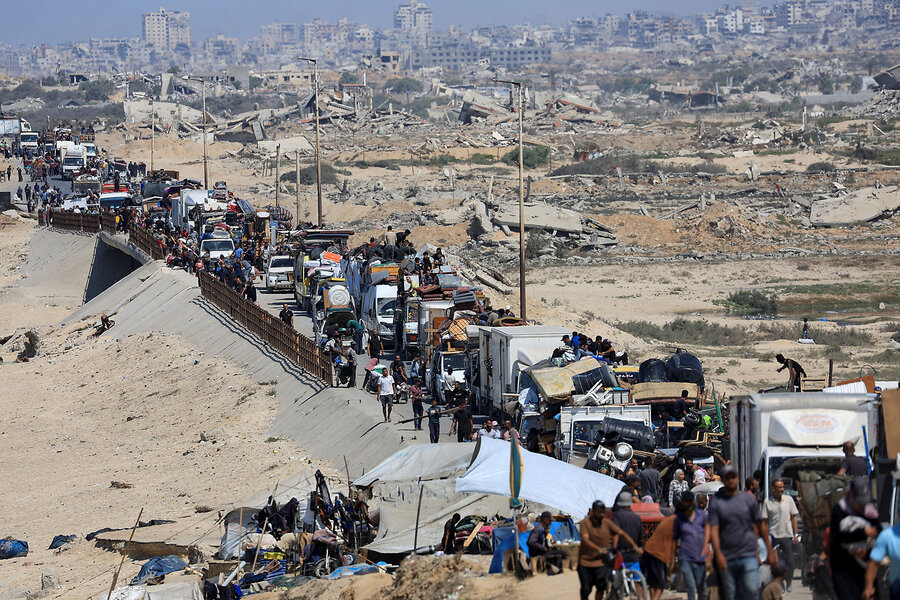
The Israeli military’s orders for Palestinians to move south have created a new layer of hardship. Evacuation is expensive,forcing families to liquidate their assets and arrive in already overcrowded areas with virtually nothing.
* Exorbitant Transport Costs: Moving a family from gaza City to central Gaza can cost upwards of $1,400 – a sum beyond the reach of most.
* Forced Asset Sales: Desperate families are selling their possessions – phones, jewelry, even wedding rings – simply to afford the journey to safety. Qamar al-Ghandour sold her phone and wedding ring to pay for her family’s evacuation.
* Loss of Support Systems: The displacement disrupts access to existing aid networks and leaves families vulnerable and isolated. As Sanaa al-Ghandour notes, “When the occupation of Gaza City was announced, everything stopped – kitchens, aid, all of it.Life there became impossible.”
Beyond Food: A Collapsing Healthcare System
The crisis extends beyond food insecurity. Displaced families arriving in areas like Deir al-balah are facing a complete lack of adequate shelter and overwhelmed healthcare facilities.
* Lack of Shelter: Families like the al-Ghandour’s arrive without tents or even basic tarps, exposed to the elements.
* Overwhelmed Clinics: Those injured in the conflict, like family members of the al-Ghandour’s struck by a missile, struggle to receive ongoing care due to the sheer volume of patients and limited resources.
* Complete Depletion: As Ms. Ghandour states, ”We lost our home
Related reading