The Growing Economic Impact of Boycott Campaigns Targeting Companies Linked to Israel
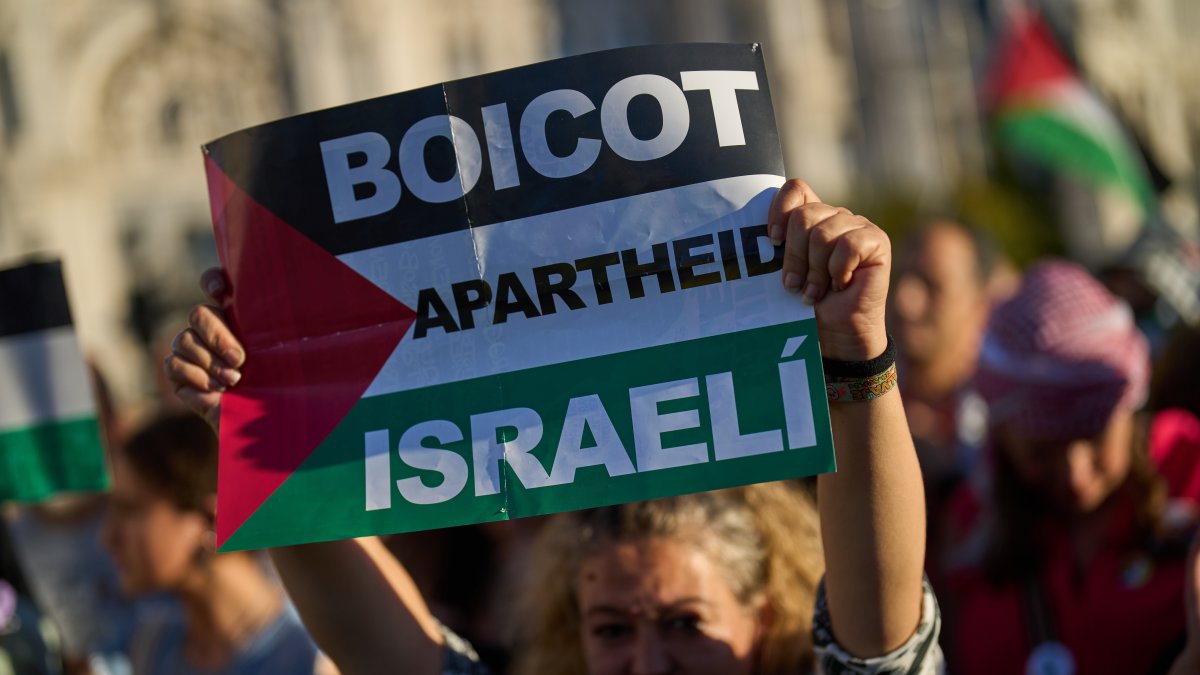
Recent months have witnessed a significant surge in boycott campaigns directed at multinational corporations perceived to have ties to Israel. These campaigns, fueled by concerns over human rights and geopolitical events, are demonstrably impacting company performance, forcing businesses to address ethical considerations alongside customary market forces. This article will delve into the financial consequences these boycotts are having, the companies most affected, and the broader implications for global investment.
Understanding the Drivers Behind the Boycotts
The current wave of boycotts stems from a complex interplay of factors. activists are focusing on companies with a direct presence in Israel, those allegedly supporting the Israeli government, or those providing goods and services used by the israeli military. The intensity has been heightened by ongoing conflicts and accusations of human rights violations, leading to widespread calls for economic pressure. You’re seeing a shift in consumer behavior, where ethical considerations are increasingly influencing purchasing decisions.
Major Corporations Feeling the Pinch
The financial results from the first half of 2025 paint a clear picture: these boycotts are translating into tangible losses for several high-profile companies. Here’s a breakdown of the impact:
* Beverage Industry:
* Coca-cola: Experienced a 1% global sales decline in Q2 2025, with a more substantial 5% drop in Türkiye. Market share in Türkiye shrank noticeably.
* PepsiCo: Reported a 0.3% revenue decrease in the first half of 2025.
* Unilever: Saw a combined 4.1% turnover decrease across Q1 and Q2 2025, partially attributed to criticism surrounding its Ben & Jerry’s distribution in Israel.
* Nestle: Faced a 1.8% sales decline and a significant 10.3% drop in net profit in the first half of 2025. Sales were also down 1.8% in 2024 with net profit declining by 2.9%.
* Retail & Apparel:
* Puma: Sales decreased by 2% in Q2 2025, particularly in the Europe-Middle East-africa region. The “Boycott Puma” campaign, initiated in 2018 over its sponsorship of the Israel Football Association, continues to exert pressure.
* Nike: Suffered a dramatic 12% sales drop in Q2 2025, with net income plummeting 86%. Sales in Europe, the Middle East, and Africa were particularly affected, falling by 10%. full fiscal year 2025 net income decreased by 44% compared to 2024. While the company cites restructuring and tariffs, boycotts are clearly a contributing factor, especially in Muslim-majority countries.
* Zara (Inditex): The opening of a large store in Israel sparked further outrage, leading to a 2% sales decline in Asia and Rest of World markets and a 3.8% fall in the Americas.
* Industrial & Construction:
* Caterpillar: Has become a focal point for divestment due to its alleged ties to the Israeli army.
Beyond Consumer Boycotts: Institutional Investor Action
The impact extends beyond individual consumer choices.Large institutional investors are increasingly factoring ethical considerations into their portfolios. This is a significant growth, signaling a broader shift in the investment landscape.
* Norges Bank Investment Management: Removed five Israeli banks and caterpillar from its $2 trillion sovereign wealth fund portfolio in August, citing unacceptable risks of contributing to human rights violations. They had previously divested from 17 israeli companies, totaling $143.3 million.
* ABP (Netherlands): Sold its entire €387 million ($455 million) stake in Caterpillar on ethical grounds, directly linking the decision to the company’s ties with the Israeli military.
The Role of Foreign Exchange & Market Conditions
It’s crucial to acknowledge that boycotts aren’t operating in a vacuum. Companies are also navigating broader economic challenges. Unfavorable foreign exchange movements and fluctuating market conditions are contributing to the financial pressures faced by these corporations. However, the timing and regional specificity of the declines strongly suggest that boycott campaigns are playing a substantial role.
**
Worth a look