Navigating the Gaza Reconstruction summit: Trump’s Role and the Path Forward
The international stage is currently focused on the aftermath of the recent Israel-Hamas ceasefire,and a critical summit in Egypt is taking center stage. President Trump’s presence at this global gathering, following a significant visit to Israel, signals a renewed push for lasting peace and reconstruction in Gaza. But what does this summit truly entail, and what are the potential outcomes for the region? this article delves into the complexities of the situation, offering insights into the key players, challenges, and potential solutions for a enduring future.
A Summit for Gaza’s Future: Key Details
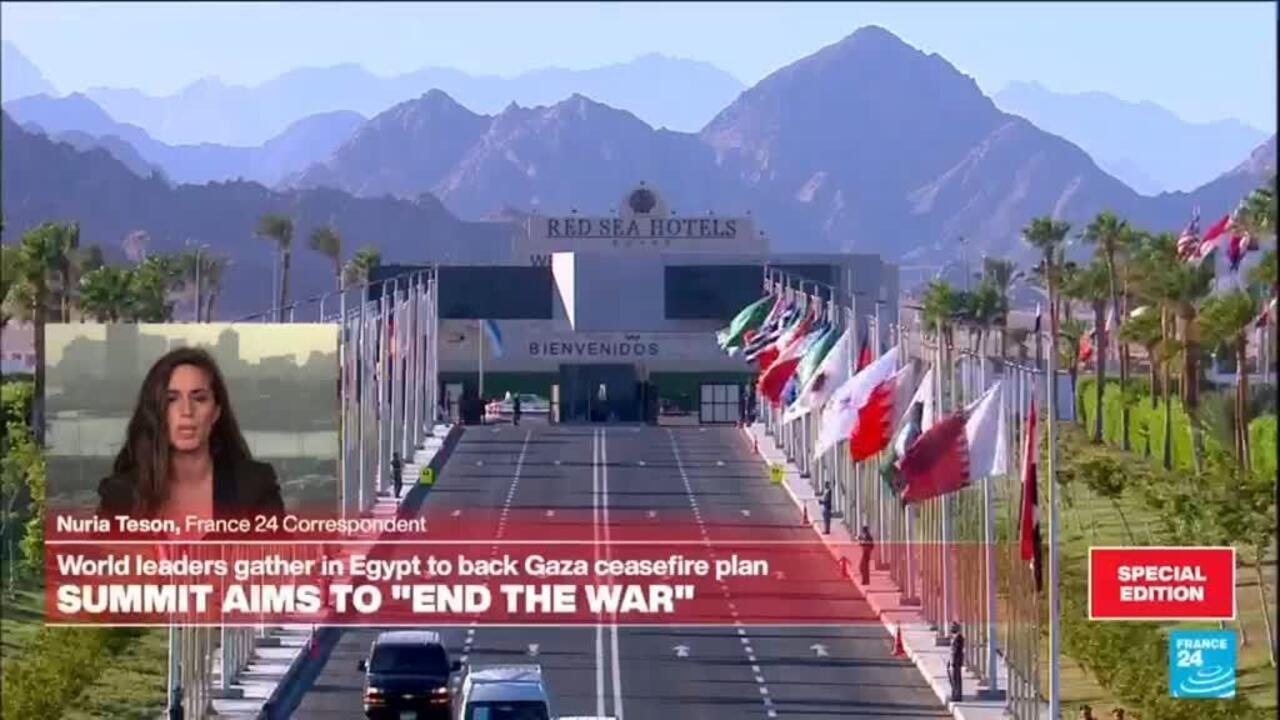
President Trump arrived in Egypt Monday to co-host a pivotal summit with President el-Sissi, bringing together representatives from over two dozen nations. This meeting directly follows Trump’s address to the Knesset in Jerusalem, a symbolic gesture emphasizing U.S. commitment to the region. The primary goal? To chart a course for Gaza’s recovery and prevent a resurgence of conflict after two years of intermittent violence.
Notably, Israeli Prime Minister Netanyahu opted not to attend, citing scheduling conflicts related to a Jewish holiday. This absence, while explained, underscores the delicate political landscape and the challenges in achieving unified consensus. The summit’s agenda focuses on securing international pledges for Gaza aid, establishing a framework for post-conflict reconstruction, and addressing the underlying issues fueling the instability.
Understanding the Core Challenges to Gaza’s Recovery
Successfully rebuilding Gaza and fostering lasting peace requires confronting a multitude of interconnected challenges. Thes extend far beyond simply providing financial assistance.
* Infrastructure Damage: Years of conflict have left Gaza’s infrastructure in ruins. Essential services like healthcare, water, and electricity are severely compromised, impacting the daily lives of over two million Palestinians.
* Humanitarian Crisis: The ongoing blockade and recent hostilities have exacerbated the humanitarian situation. access to basic necessities remains limited,and the psychological toll on the population is immense.
* Political Fragmentation: Internal divisions among Palestinian factions, coupled with regional geopolitical tensions, complicate efforts to establish a unified governing structure capable of overseeing reconstruction.
* Security Concerns: The threat of renewed violence from Hamas and other militant groups remains a significant obstacle. Ensuring long-term security requires addressing the root causes of extremism and fostering a climate of trust.
* Funding Gaps: While international pledges are crucial, translating commitments into tangible aid can be slow and fraught with bureaucratic hurdles. Ensuring efficient and obvious allocation of resources is paramount.
Trump’s Role and the U.S. Position on Gaza Reconstruction
President Trump’s involvement in this summit represents a shift in U.S.engagement. His recent visit to Israel and direct address to the Knesset demonstrate a willingness to actively participate in the peace process.The U.S. is expected to play a key role in brokering agreements, mobilizing international support, and providing financial assistance.
However, the U.S. approach to Gaza’s rebuilding is nuanced. While supporting humanitarian aid, the management has also maintained a firm stance on security concerns, emphasizing the need to prevent Hamas from rearming. This balancing act – between addressing immediate needs and ensuring long-term security – will be central to the success of the summit. Recent data from the United Nations Relief and Works Agency (UNRWA) indicates that over $380 million is urgently needed for immediate humanitarian assistance in gaza (as of October 2023).
actionable Steps for a Sustainable future in Gaza
Moving beyond immediate relief, a long-term vision for gaza requires a multi-faceted approach. Here are some actionable steps:
- Invest in Infrastructure: Prioritize rebuilding essential infrastructure, including hospitals, schools, power plants, and water treatment facilities.
- Promote Economic Development: Create opportunities for economic growth by supporting small businesses, fostering trade, and investing in job creation programs. Consider Gaza economic recovery initiatives.
- Strengthen Governance: Support the development of accountable and transparent governance structures capable of managing reconstruction efforts and delivering essential
Related reading