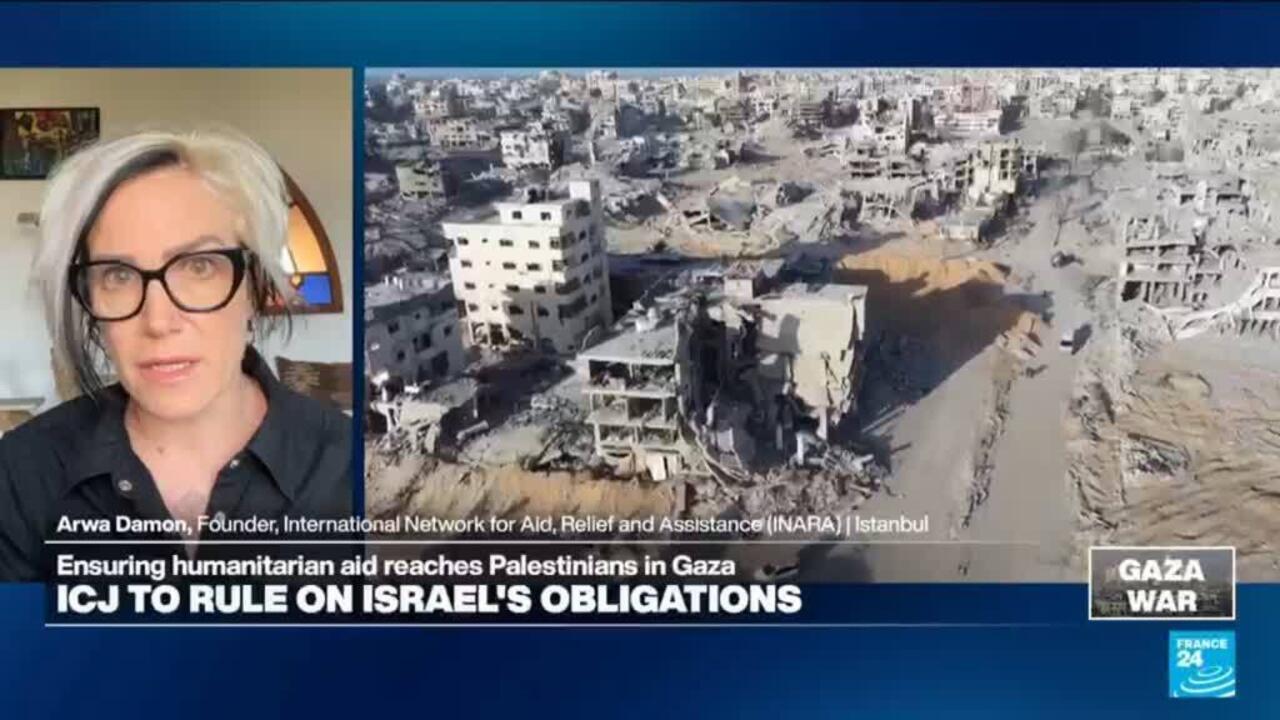
The ICJ and Humanitarian Aid in Gaza & The West Bank: What You Need to Know
The situation in Gaza and the West Bank is dire, and the flow of humanitarian aid is critically hampered.Recently, the International Court of Justice (ICJ) – the principal judicial organ of the United Nations – began deliberating on a crucial question: what are israel’s legal obligations to facilitate the work of the UN and other aid organizations striving to deliver assistance to civilians in these regions? This advisory opinion carries significant weight, but will it truly translate into improved access for life-saving aid? Let’s delve into the complexities of this issue, exploring the ICJ’s role, the challenges on the ground, and what a potential shift in international pressure could meen for those in need.
Understanding the ICJ’s Role
The ICJ doesn’t directly enforce its rulings in the same way a criminal court does. Instead, it provides advisory opinions and settles legal disputes submitted to it by states. This particular request for an advisory opinion stems from a growing concern over the obstacles faced by humanitarian organizations attempting to operate in the occupied Palestinian territories.
Specifically, the UN seeks clarification on israel’s responsibilities under international law to:
* Allow and facilitate unimpeded humanitarian assistance.
* Ensure the safety of aid workers.
* protect humanitarian infrastructure.
Essentially, the ICJ is being asked to define the legal parameters within which Israel must operate to uphold its obligations to civilians in need of assistance. You might be wondering, what impact could this have? A clear articulation of these obligations could strengthen the legal arguments used by aid organizations and international bodies advocating for greater access.
The Reality on the Ground: obstacles to Aid Delivery
While a favorable ICJ advisory opinion could make a difference, the reality is far more complex. Numerous factors impede the delivery of humanitarian aid to Gaza and the West Bank. These include:
* Restrictions on entry of goods: Limited access for essential supplies like medical equipment, food, and fuel.
* Movement limitations: Difficulties for aid workers to reach those in need due to checkpoints and security concerns.
* Damage to infrastructure: Ongoing conflict has damaged roads, hospitals, and other vital infrastructure, hindering aid distribution.
* Bureaucratic hurdles: Complex and time-consuming procedures for obtaining permits and approvals.
These challenges aren’t new. For years, humanitarian organizations have documented the difficulties they face. The United Nations Office for the Coordination of Humanitarian Affairs (OCHA) provides detailed reports on the evolving humanitarian situation and the obstacles to access. https://www.ochaopt.org/
The Critical Role of International Pressure
Many experts believe that the key to unlocking meaningful change lies not solely with the ICJ’s opinion, but with the willingness of powerful nations to exert pressure on Israel.As some observers have pointed out, the United States holds significant leverage.
consider this: the U.S. provides substantial military aid to Israel. Conditionalizing this aid – linking it to improvements in humanitarian access – could be a powerful incentive for change.However, this requires a shift in political will. Without sustained and robust pressure from the U.S. and other influential countries, the ICJ’s advisory opinion may have limited practical effect.
You may ask, what can you do? Staying informed, contacting your elected officials, and supporting reputable humanitarian organizations are all impactful steps.
looking Ahead: What to Expect
The ICJ’s advisory opinion is expected to be delivered in the coming months. While it won’t be legally binding likewise a judgment in a contentious case would be, it will carry significant moral and legal weight.
Here’s what we can anticipate:
* Increased scrutiny: The opinion will likely intensify international scrutiny of Israel’s actions regarding humanitarian access.
* Strengthened advocacy: Aid organizations will use the opinion to bolster their advocacy efforts and demand greater access.
* Potential legal challenges:
Worth a look