The Crushing Reality of Healthcare in Gaza: A First-Hand Account of Resilience and Desperation
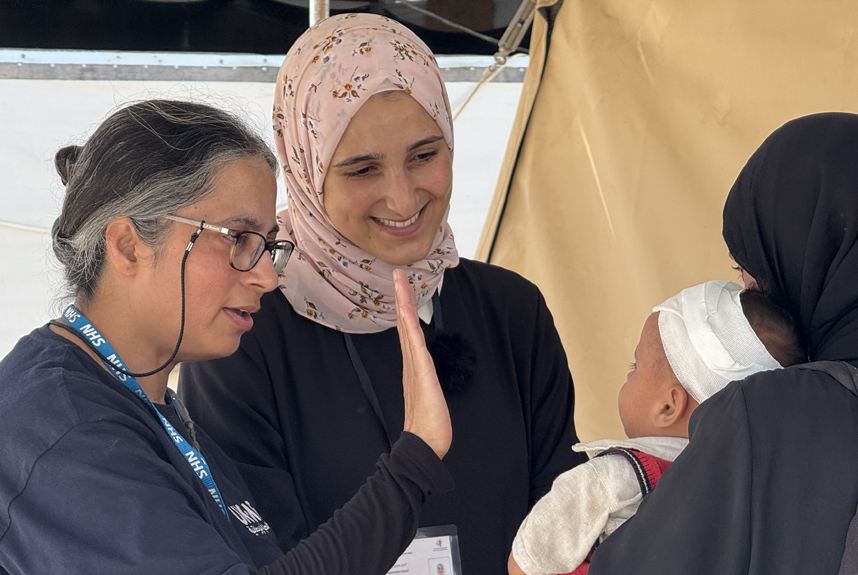
The situation in Gaza is a humanitarian crisis unfolding in real-time, and the stories emerging from the frontline of healthcare are profoundly disturbing. As a medical professional who has repeatedly deployed to the region with UK-Med, I’ve witnessed firsthand the devastating impact of conflict and systemic deprivation on a population already struggling with immense hardship.This isn’t just about treating injuries; it’s about witnessing the erosion of dignity, the theft of childhoods, and the heartbreaking choices forced upon dedicated medical staff.
My first deployment, part of a rapid-response team establishing a “Type One” primary care facility, began in early 2024. Within days of setting up, we were overwhelmed, seeing an initial 300 patients daily, quickly escalating to 500. This wasn’t a typical clinic. We treated everything from common skin and respiratory infections to complex shrapnel wounds – the grim hallmarks of a conflict zone.
The facility, staffed by a dedicated team of 44 healthcare professionals, was designed to provide essential care. But even basic provisions became a constant struggle. By March 2025, my second deployment, the reality had become far more dire. Convoys carrying vital medical supplies were routinely blocked, forcing us to ration even the most essential medications.
Imagine having to decide who receives a full course of antibiotics for a chest infection, and who gets just two or three days’ worth. This wasn’t a theoretical exercise; it was a daily, agonizing reality. We explained the situation to patients, and remarkably, they understood. Their resilience, even in the face of such hardship, was humbling.
But understanding doesn’t lessen the pain. The lack of resources extended beyond medication.We saw a visible decline in the health of our Palestinian colleagues, their weight loss a stark indicator of the widespread food insecurity. Patients presented with illnesses directly linked to their living conditions – repeated infections stemming from a lack of clean water and electricity, exacerbated by displacement and poverty.
One encounter remains etched in my memory.A woman, overwhelmed by loss and desperation, broke down and demanded to know why the world wasn’t doing more. “I have nothing,” she cried, “no place to live, no tent, no money, no food.” I had no answer,only a listening ear. She returned weeks later, apologetic for her outburst, and grateful for the care we provided. That moment underscored the profound need for simply being there.
Yet, amidst the individual stories of suffering, there were tragedies too profound for words. A six-month-old baby, brought in after fleeing the north, died of preventable gastroenteritis. In normal circumstances, this child would have thrived.In Gaza, it was a heartbreakingly common outcome.
The impact on children is particularly devastating. In April 2024,I witnessed children flying kites made of plastic bags amidst the bombing and smoke – a fragile attempt to hold onto normalcy. By August, even that small joy had vanished. The roads were filled with displaced families, and children were forced to work, fetching water or selling goods, instead of attending school. Their childhoods are being stolen, replaced by a premature and brutal adulthood.
My time wasn’t solely focused on primary care. A day spent at Nasser Hospital exposed me to injuries I hadn’t encountered in my 25 years of medical practice – patients with catastrophic gunshot wounds and trauma from mass casualty events. The sheer scale of suffering was overwhelming.
Safety, of course, is a constant concern. UK-Med prioritizes our security, and we operate in designated “de-conflicted” areas. However,even there,the threat is ever-present. Bombs fell close by, and drones were a constant presence overhead.
Despite the sadness and the danger, I feel compelled to return. Each departure is bittersweet - sorrow for what the people of gaza have lost, and hope that one day they can reclaim their lives. The dedication of the local medical teams is inspiring. They continue to serve their community with unwavering determination, demonstrating a resilience that is both humbling and profoundly moving.
This isn’t just a medical crisis; it’s a moral one. The world must do more. We must demand accountability, advocate for sustained humanitarian aid, and work towards a lasting peace that allows the people of Gaza to rebuild their lives with dignity and hope.
Learn more about UK-Med’s vital work and how you can support their efforts: [https://www.uk-med.org/](https
Worth a look
- Two Meteor Showers Peak July 30-31: How to See the Southern Delta Aquariids and Alpha Capricornids
- Cicatrice et œil « en sang » : d’autres accusations de violences policières lors du sacre du PSG
- TikTok Video Sparks Controversy Over Her ‘Entertained’ Dinner Experience (archynewsy.com)
- US-Iran Conflict Escalates: Air Strikes and Military Casualties in Middle East (world-today-news.com)