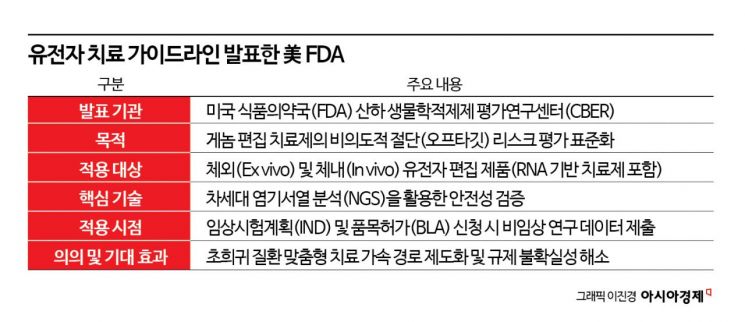
Regulatory clarity is emerging as a critical catalyst for the global gene therapy sector, with recent developments signaling reduced uncertainty around FDA oversight and renewed momentum for innovative biotech firms. As major pharmaceutical companies redirect substantial investments toward next-generation modalities, the convergence of policy evolution and scientific advancement is creating a more predictable environment for clinical development and commercialization. This shift holds particular significance for specialized players in Asia, where growing expertise in gene editing and delivery systems is positioning regional innovators to capitalize on expanding therapeutic applications beyond rare diseases into broader patient populations.
The evolving regulatory landscape reflects a broader industry trend where gene therapy is increasingly viewed not just as a niche solution for ultrarare conditions but as a versatile platform capable of addressing prevalent chronic illnesses. Recent analyses highlight how decades of incremental progress in adeno-associated virus (AAV) vectors, lipid nanoparticle formulations, and CRISPR-based editing tools have laid the groundwork for this expansion. Simultaneously, updated guidance from health authorities aims to balance patient safety with the need for efficient pathways, particularly for therapies targeting high-burden conditions like obesity and cardiovascular disease where traditional approaches have shown limitations.
For South Korean biotech enterprises such as ToolGen, which has pioneered CRISPR-Cas9 applications and developed proprietary gene regulation platforms, the diminishing ambiguity around FDA evaluation criteria represents a tangible opportunity. The company’s operate in precision genome editing—including its TMOD and TMSN systems designed to enhance targeting accuracy and reduce off‑effects—has garnered attention in preclinical studies across metabolic and oncological indications. While specific clinical timelines remain subject to ongoing trial outcomes, the alignment of technological readiness with clearer regulatory expectations is being closely watched by investors and industry analysts as a potential inflection point for domestic innovation in the global gene therapy race.
FDA’s Evolving Framework Supports Broader Gene Therapy Applications
The U.S. Food and Drug Administration has taken measurable steps in recent years to refine its oversight of gene therapy products, issuing updated guidance documents that address longstanding developer concerns about trial design, manufacturing consistency, and long‑term follow‑up requirements. In 2023, the FDA released a framework emphasizing risk‑based approaches for chimeric antigen receptor (CAR)‑T cell therapies and in vivo gene editing approaches, clarifying expectations for potency assays and biodistribution studies. These updates followed public workshops where stakeholders highlighted the need for harmonized standards to support innovation without compromising safety monitoring.
More recently, the agency has signaled willingness to adapt its evidentiary standards for gene therapies targeting common diseases, recognizing that the risk‑benefit calculus may differ significantly from ultra‑rare monogenic disorders. This perspective was underscored in early 2024 discussions surrounding metabolic disease interventions, where FDA officials acknowledged the potential for accelerated pathways when robust natural history data and clear mechanistic rationales exist. Such flexibility is viewed as essential for attracting sustained investment into areas where gene therapy could complement or surpass existing pharmacological options, particularly in markets burdened by chronic illness prevalence.
Critically, the FDA’s efforts to harmonize with international counterparts through initiatives like the International Council for Harmonisation of Technical Requirements for Pharmaceuticals for Human Use (ICH) are helping to reduce duplicative requirements for global developers. Alignment on topics such as vector characterization and immunogenicity testing enables companies like ToolGen to streamline preclinical packages for simultaneous submission to multiple regulatory bodies, a practical advantage for firms seeking broader geographic reach from early development stages.
ToolGen’s Platform Advances Amid Growing Clinical Interest
ToolGen has maintained a focused strategy on advancing its core gene editing technologies, with recent preclinical data demonstrating progress in both ex vivo and in vivo applications. The company’s TMOD system, which utilizes a modified Cas9 nuclease fused to deaminase domains for precise base editing without double‑strand breaks, has shown promise in correcting point mutations associated with hereditary liver conditions in animal models. Concurrently, its TMSN platform—designed for transient, tunable gene expression modulation—is being explored in contexts where sustained transgene activity may pose safety concerns, such as in certain immunotherapy regimens.
These developments occur alongside ToolGen’s strategic collaborations aimed at expanding the translational potential of its tools. Partnerships with academic medical centers have facilitated access to patient‑derived cells for functional validation, while agreements with specialized contract development and manufacturing organizations (CDMOs) are helping to address scalability challenges inherent in gene therapy production. Notably, the company has emphasized its commitment to non‑exclusive licensing models in certain territories, aiming to foster wider adoption of its technologies while retaining rights for further innovation.
While ToolGen has not yet announced pivotal Phase III trials for its gene editing candidates, its pipeline includes several IND‑enabling programs focused on hematological and hepatic indications. Updates shared through investor briefings and scientific conferences indicate ongoing work to optimize delivery vectors and refine dosing regimens, steps considered essential for advancing toward first‑in‑human studies. The company’s public disclosures consistently frame its near‑term goals around achieving IND‑enabling milestones rather than specifying exact clinic timelines, reflecting a disciplined approach to managing expectations in a field where technical hurdles remain significant.
Regional Biotech Ecosystem Gains Strategic Attention
South Korea’s biotechnology sector has increasingly become a focal point for global investment in advanced therapeutics, driven by a combination of strong academic research foundations, government‑backed innovation funds, and a growing cadre of experienced entrepreneurs. Companies like ToolGen benefit from proximity to world‑class medical institutions in Seoul and surrounding regions, facilitating access to clinical expertise and patient populations for early‑stage studies. National initiatives such as the Korean New Deal have directed significant resources toward bio‑health infrastructure, including support for GMP manufacturing facilities and regulatory science training programs.

This ecosystem support is particularly relevant for gene therapy developers, who face unique hurdles in navigating complex manufacturing requirements and establishing reliable supply chains for viral vectors or lipid nanoparticles. Local advantages in process engineering and quality control—areas where South Korean firms have demonstrated strength in biologics production—are being leveraged to meet stringent international standards. The country’s rigorous clinical trial oversight, managed by the Ministry of Food and Drug Safety (MFDS), provides a credible framework for generating data that can support simultaneous applications to agencies like the FDA and EMA.
Analysts note that while domestic firms may lack the scale of established multinational pharmaceutical giants, their agility in targeting specific technical challenges—such as improving editing precision or reducing immune responses to delivery vehicles—can yield differentiated solutions. The increasing visibility of Korean innovators in global forums and publications reflects a broader recognition of the region’s growing capabilities in cutting‑edge modalities, a trend that could accelerate as regulatory pathways become more predictable and investment continues to flow into high‑conviction areas of medical advancement.
What This Means for Patients and the Future of Genetic Medicine
The convergence of clearer regulatory expectations and advancing scientific capabilities holds tangible implications for individuals affected by genetic and acquired diseases. For patients with conditions currently lacking curative options—such as certain inherited metabolic disorders or treatment‑resistant cancers—the prospect of gene‑based interventions offers hope for interventions that address root causes rather than merely managing symptoms. As more therapies progress through clinical trials and gain approval, the potential exists to shift treatment paradigms toward durable, possibly one‑time interventions, reducing the lifelong burden associated with chronic medication regimens.
At the same time, the expansion of gene therapy into common diseases necessitates careful consideration of accessibility, affordability, and equitable distribution. Policymakers and healthcare systems worldwide are grappling with how to integrate high‑cost, potentially curative treatments into existing frameworks without exacerbating disparities. Early discussions around outcomes‑based payment models and voluntary licensing agreements aim to balance innovation incentives with societal value, though practical implementation remains complex and context‑dependent.
For the biotech sector, the maturing regulatory environment reduces one layer of uncertainty that has historically deterred investment in longer‑horizon, higher‑risk ventures. When combined with scientific progress in areas like delivery specificity, immune evasion, and manufacturing efficiency, this clarity can help sustain the pipeline of innovation needed to transform genetic medicine from a specialized option into a mainstream therapeutic approach. Continued collaboration between regulators, developers, clinicians, and patient advocates will be essential to ensure that advances translate into meaningful improvements in public health while maintaining rigorous standards for safety and efficacy.
As the field moves forward, stakeholders will be watching for key milestones such as the completion of pivotal trials for next‑generation gene editing platforms, updates to FDA guidance on long‑term follow‑up protocols, and outcomes from ongoing international harmonization efforts under the ICH framework. These developments will provide concrete indicators of how the evolving landscape is shaping the trajectory of gene therapy toward broader realization of its potential.
We invite readers to share their perspectives on the evolving role of gene therapy in modern medicine and how regulatory innovation can support patient access to breakthrough treatments. Join the conversation by commenting below or sharing this article with others interested in the future of healthcare innovation.
Related reading