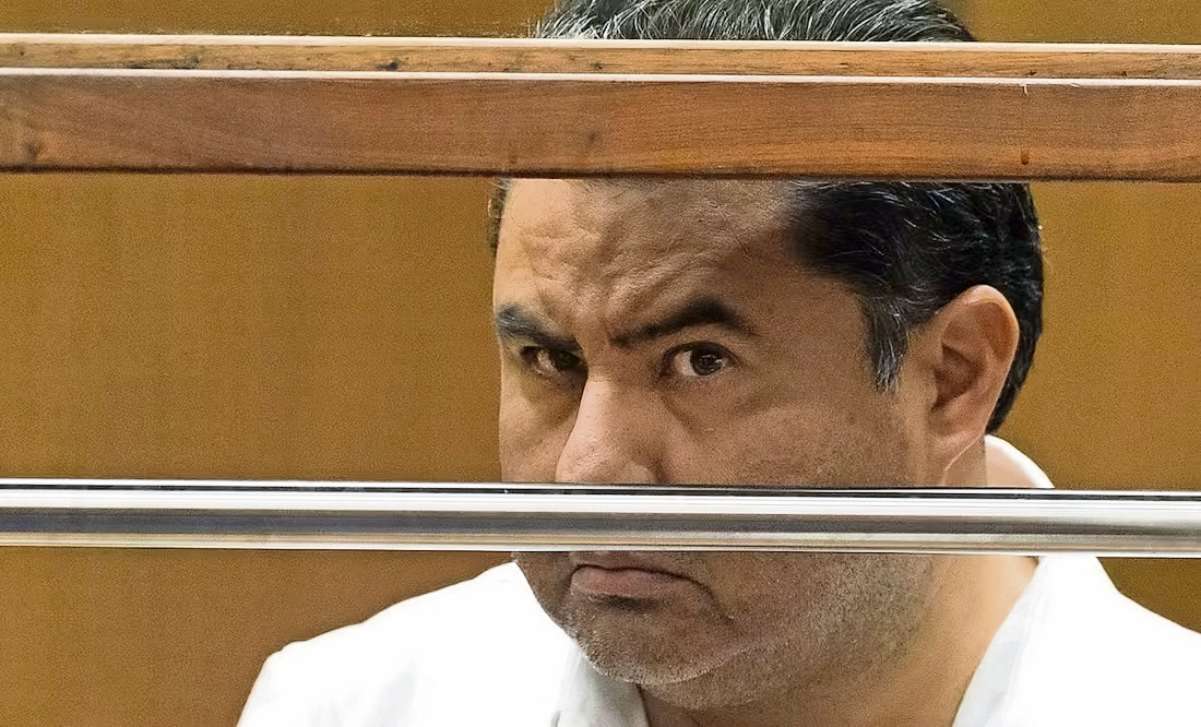
On April 14, 2026, Judge Juan José Rodríguez Velarde of the Federal Penal Justice Center in Puente Grande, Jalisco, postponed a hearing concerning Naasón Joaquín García, leader of the La Luz del Mundo religious organization. The hearing, originally scheduled for that day, was moved to April 27, 2026, at 5:15 p.m. Local time. The postponement followed claims by victims that they had not been granted access to the case file in which Mexico’s Attorney General’s Office (FGR) decided not to pursue criminal charges against García.
The case stems from allegations of organized crime and sexual abuse of minors tied to the La Luz del Mundo church. Victims Sóchil Martin and Sharim Guzmán, who testified in U.S. Proceedings that led to García’s conviction there, have challenged the FGR’s December 2025 decision to close the investigation in Mexico. They argue that sufficient evidence exists to continue the case domestically, particularly regarding possible human trafficking, sexual exploitation, and money laundering.
Judge Rodríguez Velarde stated that the delay was necessary because the victims were not in a condition to proceed with the hearing due to lack of access to the investigative file. The judge emphasized the need to review the basis for the FGR’s conclusion before determining whether to reopen the investigation. The hearing will now focus on whether to revoke the FGR’s “carpetazo” — a colloquial term for shelving or dismissing a case — and allow the proceedings to move forward.
The FGR’s decision not to exercise penal action was authorized by the Specialized Prosecutor’s Office for the Investigation of Human Trafficking, Persons, and Organs (FEITPOC) on December 17, 2025. This occurred shortly after Ernestina Godoy assumed leadership of the FGR. Victims and advocacy groups have denounced the move as an attempt to shield influential figures connected to the church, alleging a network of protection and impunity involving political and religious actors.
In the United States, García pleaded guilty in 2019 to charges related to the sexual abuse of three minor girls and was sentenced to 16 years and eight months in prison. U.S. Prosecutors presented evidence that he maintained a group of young women referred to as “doncellas,” who were allegedly coerced into sexual acts under the guise of religious devotion. Testimony from an FBI agent indicated that members were taught that García, as an “apostle of God,” could not be judged for his actions.
The April 27 hearing will be held before Judge Rodríguez Velarde at the Federal Penal Justice Center in Puente Grande. It will determine whether the victims’ challenge to the FGR’s closure warrants reopening the investigation in Mexico. No further delays have been announced as of this reporting.
Those seeking updates on the case can monitor official communications from the Federal Judicial Power of Mexico or attend public hearings at the Centro de Justicia Penal Federal in Puente Grande, Jalisco.
What are your thoughts on how religious organizations are held accountable under the law? Share your perspective in the comments below and help spread awareness by sharing this article.
Related reading