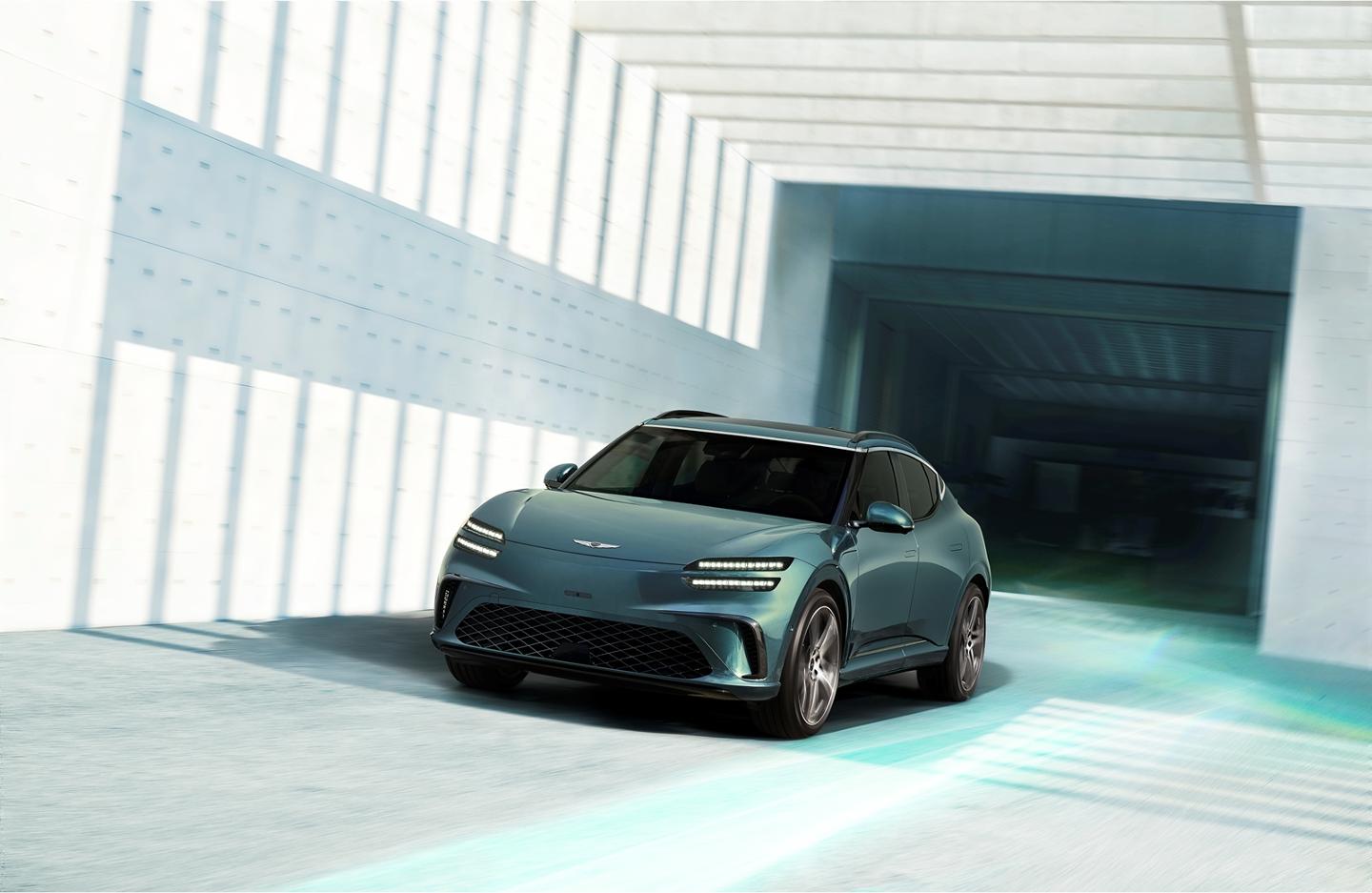
Genesis, the luxury automotive division of Hyundai Motor Group, has completed its five-year strategic expansion into 11 European markets, establishing a comprehensive sales and service network across the continent. This milestone, confirmed through the company’s latest corporate updates, marks a significant shift in the brand’s international footprint as it pivots toward a fully electric vehicle (EV) lineup in the region. The expansion includes entry into key markets such as Poland, Portugal, Denmark, and Austria, reflecting a broader effort to compete directly with established European luxury manufacturers through a distinct direct-to-consumer sales model.
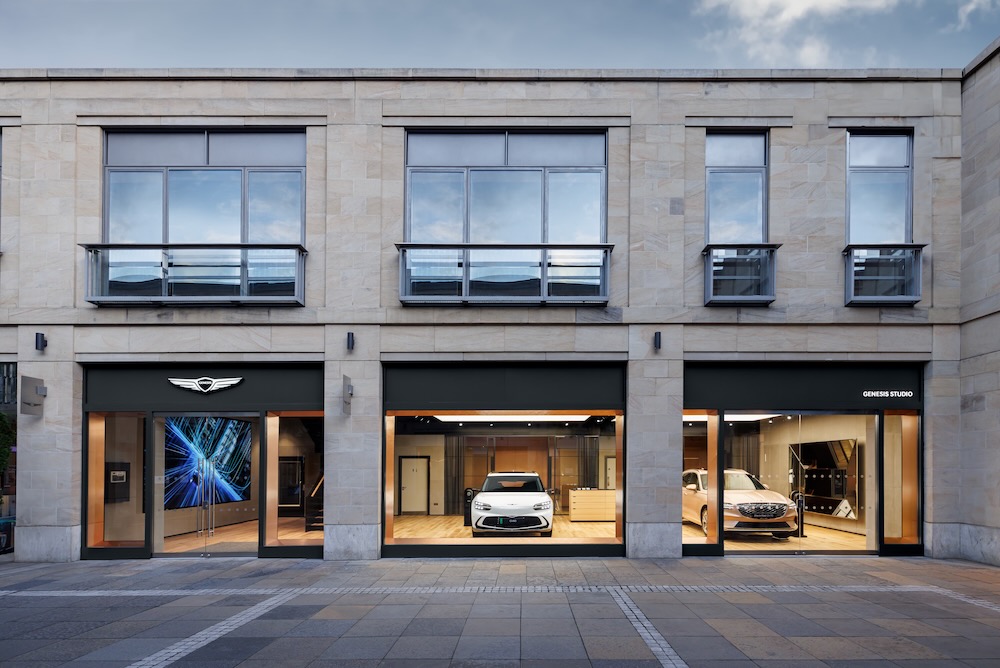
According to the official company expansion strategy, the brand’s European operations are anchored by the “Genesis Studio” concept, which replaces traditional dealership models with experiential retail spaces. This approach aims to reduce overhead costs while maintaining high-touch customer service, a strategy the company has been refining since its initial 2021 entry into the United Kingdom, Germany, and Switzerland. The completion of this 11-country network serves as a critical infrastructure pillar for the brand’s commitment to stop releasing internal combustion engine models by 2025, transitioning instead to a purely electric portfolio by 2030.
Strategic Shift Toward Full Electrification
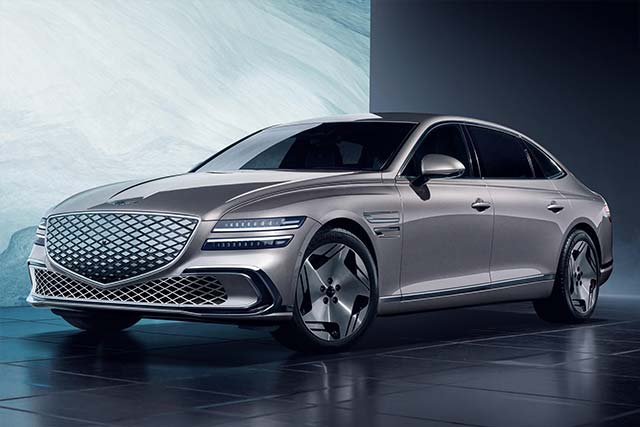
The decision to prioritize electric vehicles in the European market is a response to both tightening regional emissions regulations and shifting consumer preferences toward sustainable luxury. Under the European Union’s “Fit for 55” legislative package, which aims to reduce net greenhouse gas emissions by at least 55% by 2030, automakers are facing increased pressure to phase out fossil-fuel-powered vehicles. Genesis has positioned its GV60, Electrified GV70, and Electrified G80 models as the primary drivers of this transition, leveraging the dedicated E-GMP platform shared across the Hyundai Motor Group.
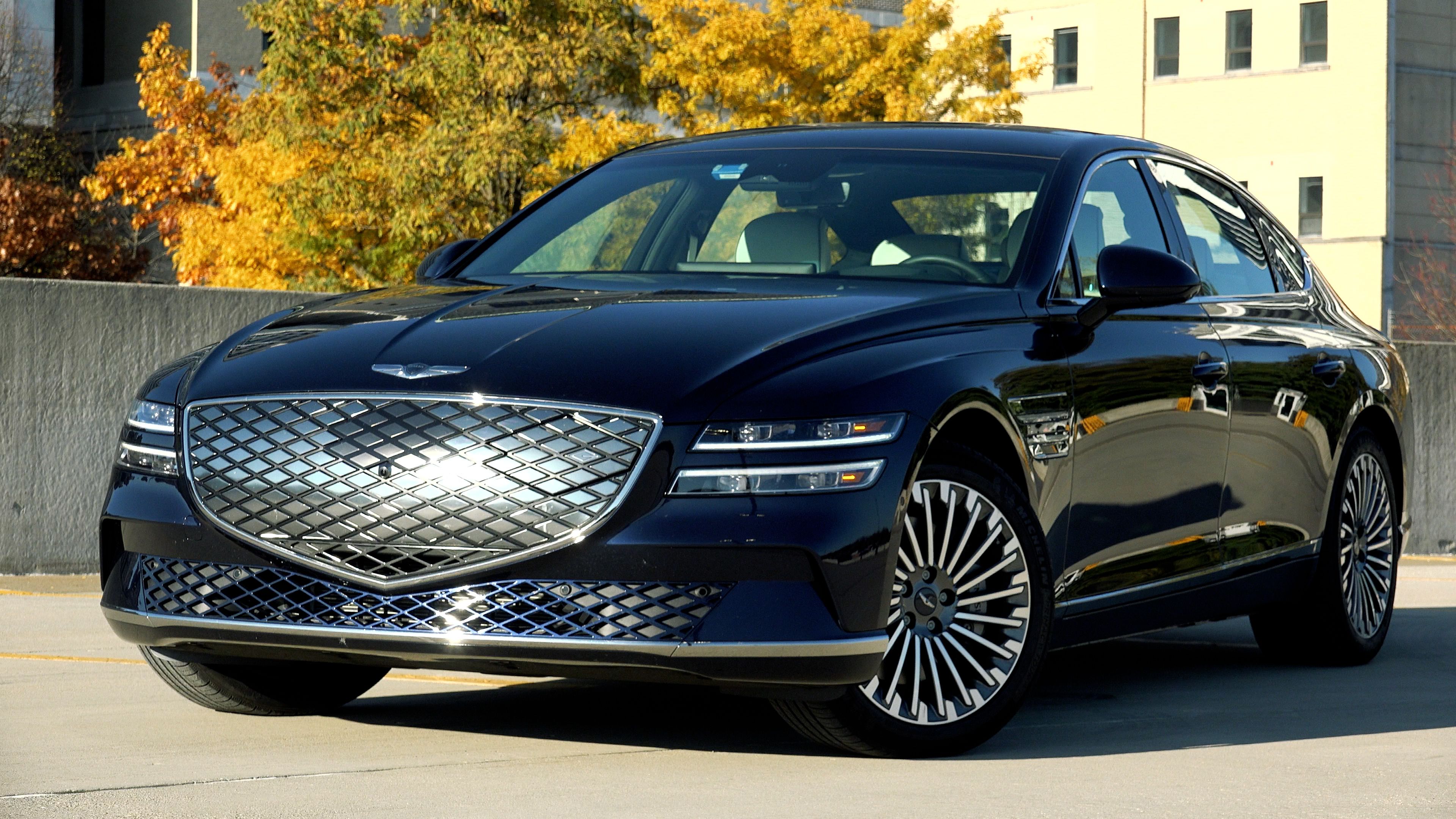
Industry analysts note that the brand’s focus on “electrification as a standard” is a differentiator in the saturated European luxury segment. By integrating advanced driver-assistance systems and high-capacity battery technology into its premium offerings, Genesis is attempting to capture market share from legacy brands that are currently undergoing their own, often more complex, transitions from hybrid to battery-electric architectures. The company has reported that its European sales growth is increasingly driven by these zero-emission models, which now account for a significant portion of its regional delivery volume.
Retail Innovation: The Genesis Studio Model
Unlike traditional manufacturers that rely on expansive networks of independent franchise dealerships, Genesis has utilized a digital-first, omnichannel retail strategy. In countries like Denmark and Poland, the company operates through a combination of online configurators and localized boutique studios located in high-traffic urban areas. This model allows the brand to maintain centralized control over pricing and the customer experience, effectively removing the common friction points associated with traditional vehicle negotiations.
The official Genesis European portal highlights that this direct sales approach is supported by the “Genesis Personal Assistant” program, a service-oriented model where clients are assigned a dedicated contact for inquiries, test drives, and vehicle servicing. This concierge-style service is designed to compete with the high-end ownership experience offered by long-standing German and Swedish luxury automakers. By keeping the sales process centralized, the company claims it can more effectively manage supply chain logistics and provide consistent after-sales support across borders.
Market Challenges and Competitive Landscape
Despite the successful completion of its 11-country network, the brand faces a competitive landscape dominated by entrenched players like Mercedes-Benz, BMW, and Audi. These competitors possess deep-rooted brand loyalty and vast service networks that are difficult to displace. Furthermore, the influx of Chinese EV manufacturers into the European market has added a layer of pricing pressure, complicating the entry for newer luxury entrants.
According to data from the European Automobile Manufacturers’ Association (ACEA), the market share for battery-electric vehicles continues to climb, but the pace of adoption varies significantly between Western and Eastern European markets. Genesis is navigating these regional disparities by scaling its operations incrementally rather than pursuing mass-market volume immediately. The brand’s strategy remains focused on high-margin, high-specification vehicles, aiming to establish “Genesis” as a synonym for refined, tech-forward electric luxury rather than competing on volume alone.
Future Milestones and Next Steps
With the current 11-country footprint finalized, the next phase for the brand involves deepening market penetration and optimizing the existing charging infrastructure. Industry observers expect the company to provide updates on its European service network expansion and new model releases during the upcoming biannual investor briefing, typically held in the first quarter of the fiscal year. These briefings are essential for tracking the company’s progress toward its 2030 electrification goals and its performance relative to regional sales targets.
Readers interested in the latest developments regarding vehicle availability or service center locations can monitor the official Genesis Europe website for real-time updates. As the company continues to integrate its operations across these 11 nations, the effectiveness of its studio-led retail model will likely serve as a case study for other automakers attempting to streamline their own distribution channels in the transition to an electric future. We encourage our readers to share their thoughts on the evolution of luxury EV retail in the comments below.