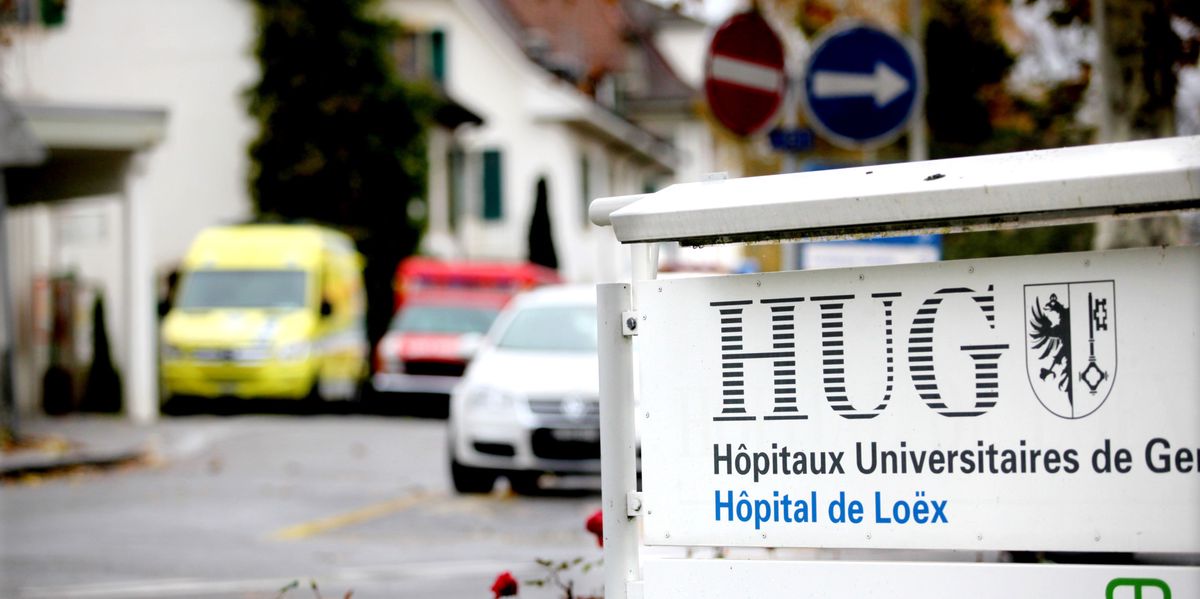
The Grand Conseil genevois has officially approved a substantial investment of 83.2 million francs to modernize the Hôpital de Loëx, a critical site within the Hôpitaux universitaires de Genève (HUG) network. The decision, reached during a Friday session, marks a pivotal step in addressing the deteriorating infrastructure of a facility dedicated specifically to geriatrics and rehabilitation.
Located in Bernex, the Hôpital de Loëx serves as a sanctuary for elderly patients requiring long-term care—stays that often span several weeks or months. The approved funding is intended to breathe new life into a site that has been under study for nearly a decade, ensuring that the region’s aging population receives care in an environment that meets modern medical and humanitarian standards.
The Hôpital de Loëx renovation project focuses on the overhaul of three primary buildings. Currently, the facility operates with 112 beds dedicated to maintenance care. A key objective of the investment is the rehabilitation of an additional 56 beds that have been inaccessible for several years, effectively expanding the capacity to serve the community by 2035.
While the necessity of the project was broadly acknowledged across the political spectrum, the debate underscored a deep divide regarding the strategic future of geriatric care in Geneva. While some legislators pushed for immediate action to remedy “indignity” within the wards, others argued that the current plan is a short-term fix for a looming demographic crisis.
Addressing “Indignity” in Geriatric Care
The push for the renovation was driven largely by reports of severe infrastructure decay. During the legislative proceedings, socialist deputy Nicole Valiquer Grecuccio highlighted the stark reality facing current residents, describing the conditions at the facility as “indignes” (undignified). To illustrate the severity of the situation, she noted that in some sections of the hospital, 28 patients are forced to share only four toilets and a single shower.
These conditions have become a focal point for advocates of the renovation, who argue that the right to dignity in old age must be reflected in the physical environment of the care facility. The investment of 83.2 million francs is designed to eliminate these bottlenecks and modernize the sanitary and living quarters to ensure patient safety and comfort.
Pierre Maudet, the head of the Department of Health and Mobility (DSM), also echoed concerns regarding the indignity of the current state of the site. For the DSM and the HUG administration, the project represents a necessary intervention to prevent the further degradation of a specialized site that remains essential to the canton’s healthcare ecosystem.
The Strategic Divide: Immediate Relief vs. Long-Term Growth
Despite the approval, the project faced pointed criticism from the PLR (Liberal Radicals) and the UDC (Swiss People’s Party). These critics argue that the current plan is based on a “bad initial strategic choice” and fails to account for the projected needs of the next two decades.
Pierre Conne, a PLR deputy and former manager of the Loëx site for twenty years, presented a more sobering outlook on the region’s healthcare requirements. Conne asserted that the 83.2 million franc credit would not create enough additional beds to meet future demand, estimating that Geneva will require approximately 700 beds in ten years to adequately support its aging population.
The crux of the political disagreement lies in the land use of the site. Because the Hôpital de Loëx is situated on agricultural land, construction density is strictly limited. Conne and his allies advocated for a “déclassement”—a formal rezoning of the land from agricultural to construction use. Such a move would allow for much denser, larger-scale facilities that could meet the 700-bed target.
However, the majority of the Grand Conseil rejected the rezoning proposal, citing the length and uncertainty of the legal process. Opponents of the rezoning argued that such a procedure would push the completion of new infrastructure back to 2041. In response to this timeline, Nicole Valiquer Grecuccio expressed indignation, stating, “On ne peut pas attendre” (We cannot wait), emphasizing that the current patients cannot endure another 15 years of substandard conditions.
Impact on the Geneva Healthcare Ecosystem
The Hôpitaux universitaires de Genève (HUG) operates as the primary public healthcare provider for the canton. The specialized nature of the Loëx site—focusing on geriatrics and rehabilitation—makes it a vital link in the “care chain.” When facilities like Loëx are under-capacitated or dilapidated, it creates a bottleneck in acute care hospitals, as elderly patients cannot be transferred to rehabilitation centers, thereby occupying acute beds longer than necessary.
By restoring the 56 dormant beds and modernizing the existing 112, the canton aims to improve the fluid movement of patients through the healthcare system. The focus on “soins de maintien” (maintenance care) is particularly critical as life expectancy increases and the prevalence of chronic age-related conditions rises.
Key Project Milestones and Specifications
- Total Investment: 83.2 million francs approved by the Grand Conseil genevois.
- Scope of Work: Full renovation of three buildings on the Bernex site.
- Bed Capacity: Modernization of 112 existing beds and the restoration of 56 beds previously out of service.
- Target Completion: The renovated infrastructure is expected to be fully operational by 2035.
- Primary Focus: Geriatrics, rehabilitation, and long-term maintenance care.
What So for Patients and Families
For the families of patients currently residing at Loëx, the vote provides a long-awaited promise of improvement. The transition from a facility where dozens of patients share minimal sanitary facilities to a modernized environment will likely improve both the clinical outcomes and the psychological well-being of the residents.
However, the debate over the 700-bed requirement suggests that while the current residents will see improvements, the broader community may still face shortages in geriatric care in the coming decade. The decision to prioritize immediate renovation over long-term rezoning reflects a political choice to value the dignity of current patients over the theoretical capacity of future ones.
The project’s success will now depend on the execution by the HUG and the DSM. Given that the project has been under study for nearly ten years, the challenge will be to move from the planning phase to construction without further delays that could push the 2035 deadline further back.
For those seeking official updates on the progress of the renovation or the specific timelines for the three buildings, the Hôpitaux Universitaires de Genève (HUG) official portal remains the primary source for institutional announcements.
The next confirmed checkpoint for this project will be the release of the detailed architectural plans and the commencement of the tendering process for the construction firms, which is expected to follow the administrative allocation of the approved credits.
Do you believe Geneva should have prioritized long-term expansion over immediate renovation? Share your thoughts in the comments below or share this article to join the conversation on elderly care infrastructure.
Related reading